
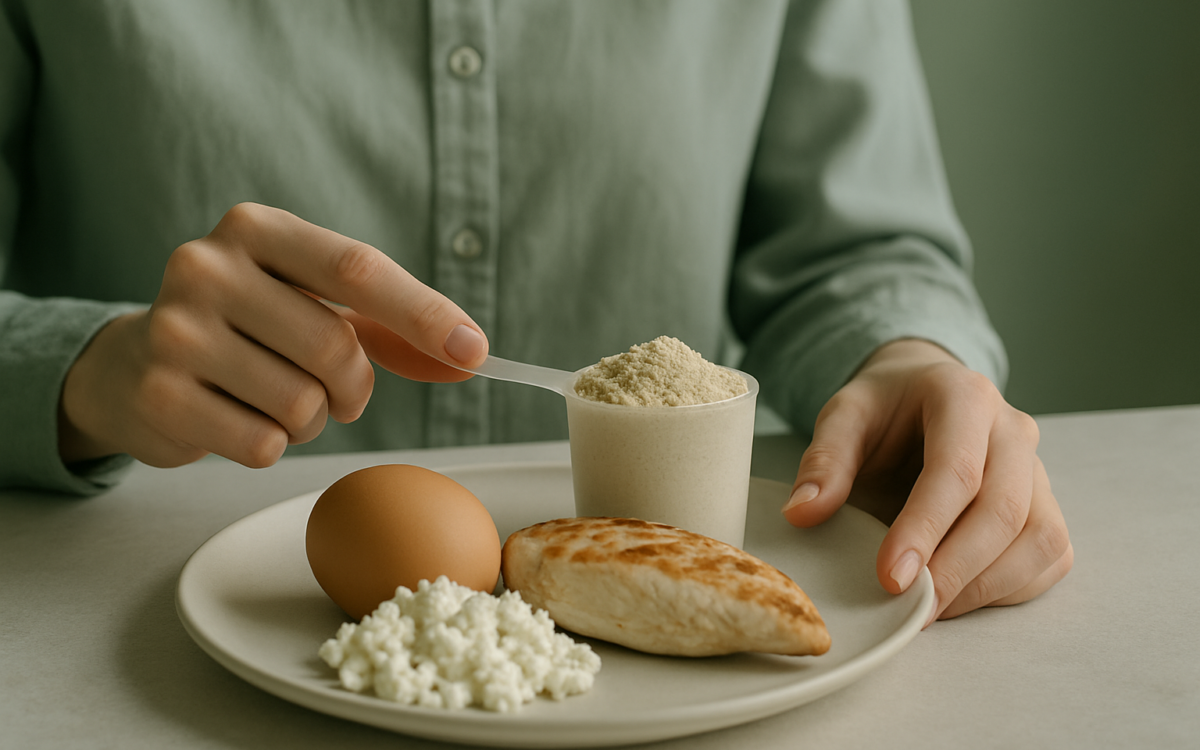
Protein is an essential building block of our body. It plays critical roles in growth, repair, and overall health. But with so many sources of protein—from meats to beans to nuts—you might find yourself asking, “How many grams of protein should I eat a day?” This question is common, and the answer varies based on several factors.
What Is Protein and Why Do We Need It?
Protein is one of three macronutrients essential for human survival, the others being fats and carbohydrates. Our bodies need protein for various reasons:
- Muscle Growth: Protein helps build and repair muscles, especially after physical activity.
- Hormone Production: Many hormones, which regulate important processes in the body, are proteins.
- Immune Function: Antibodies, which defend against illness and infection, require protein.
- Enzyme Reactions: Many enzymes, essential for biochemical reactions, are also proteins.
The sources of protein include meat, fish, dairy, eggs, legumes, and nuts. Ensuring a varied intake helps support your body’s needs.
How Much Protein Do You Need?
According to the National Institutes of Health, the recommended dietary allowance (RDA) for protein is about 0.8 grams per kilogram of body weight for the average adult. Here’s how you can calculate your daily protein needs:
- Determine your weight in kilograms (1 kg = 2.2 lbs).
- Multiply your weight in kg by 0.8 to find your RDA in grams.
For example, if you weigh 70 kg (154 lbs), your daily protein requirement would be 56 grams.
Factors That Affect Your Protein Needs
While the RDA provides a good baseline for protein intake, several factors can influence how much protein you need:
Age and Gender
Older adults often require more protein to maintain muscle mass. Additionally, men and women might have different protein needs, particularly during life stages such as pregnancy or lactation.
Activity Level
If you are physically active, particularly if you do strength training or endurance sports, your protein needs will increase to help repair and build muscle. Athletes often aim for 1.2 to 2.0 grams of protein per kilogram of body weight.
Health Conditions
Some health conditions, such as kidney disease or certain metabolic disorders, can affect protein requirements. Always discuss changes to your diet with your healthcare provider.
How to Include Enough Protein in Your Diet
Getting enough protein in your diet doesn’t have to be complicated. Here are some straightforward tips:
- Incorporate a Variety of Sources: Include both animal and plant-based protein in your meals. This might include chicken, fish, tofu, beans, and yogurt.
- Snack Wisely: Choose protein-rich snacks such as nuts, seeds, or Greek yogurt to boost your intake between meals.
- The Plate Method: When preparing your meals, aim to fill one-quarter of your plate with protein-rich foods.
Spreading your protein intake throughout the day can further aid absorption and help with muscle protein synthesis.
Potential Risks of Too Little or Too Much Protein
It’s important to understand that both insufficient and excessive protein can lead to health issues:
Too Little Protein
Not consuming enough protein can lead to muscle loss, weakened immunity, and fatigue. In severe cases, it can lead to conditions like kwashiorkor, especially in populations with limited food access.
Excess Protein
On the other hand, consuming excessive protein can put strain on the kidneys, particularly in individuals with pre-existing kidney issues. Additionally, high-protein diets that exclude other food groups might not provide sufficient nutrients.
When to See a Doctor
If you’re unsure about your protein needs, especially if you have a specific health condition, it’s a good idea to consult with a healthcare provider or a registered dietitian. They can provide tailored advice based on your health, diet, and lifestyle.
Conclusion
Protein is a vital component of your daily diet, but how much you need can vary based on many factors. By understanding your unique requirements, you can make informed choices that support your health. Remember, whether you’re increasing your protein intake for fitness, aging, or overall health, listening to your body and seeking professional guidance is key.
