
Protein is a vital nutrient that plays many roles in our bodies, from building muscles to supporting immune function. With the rise of fitness trends, many people are curious about how much protein they should consume each day. This article will examine how to determine your protein needs based on various factors.
Understanding Protein
Protein is made up of amino acids, which are the building blocks of life. It is essential for growth, repair, and overall health. The human body needs protein to create enzymes, hormones, and other chemicals. Unlike fats and carbohydrates, which can be stored, the body does not store protein. Therefore, it’s important to incorporate adequate amounts into your daily diet.
How Much Protein Do You Need Daily?
The Recommended Dietary Allowance (RDA) for protein varies by age, sex, and level of physical activity. According to the National Institutes of Health, the RDA for protein is:
- 46 grams per day for adult women
- 56 grams per day for adult men
These values are baseline recommendations. However, your personal protein needs might be higher based on your lifestyle and specific health goals.
Factors Influencing Protein Needs
Several factors can affect how many grams of protein you should aim for in a day:
1. Age and Growth Stage
Children, teenagers, and pregnant or breastfeeding women have higher protein needs due to periods of rapid growth and development.
2. Activity Level
If you’re physically active or involved in strength training, your protein requirements increase. Athletes may require anywhere from 1.2 to 2.0 grams of protein per kilogram of body weight to support muscle recovery and growth.
3. Body Composition Goals
For those looking to lose weight or gain muscle, increasing protein intake might be beneficial. Protein can help you feel full longer and assist with muscle repairs after workouts. International patients looking for dietary advice might explore international patient services for guidance tailored to specific health and wellness goals.
4. Health Conditions
Some medical conditions may increase protein needs. For instance, people recovering from surgery or illness may require more protein to heal effectively.
Sources of Protein
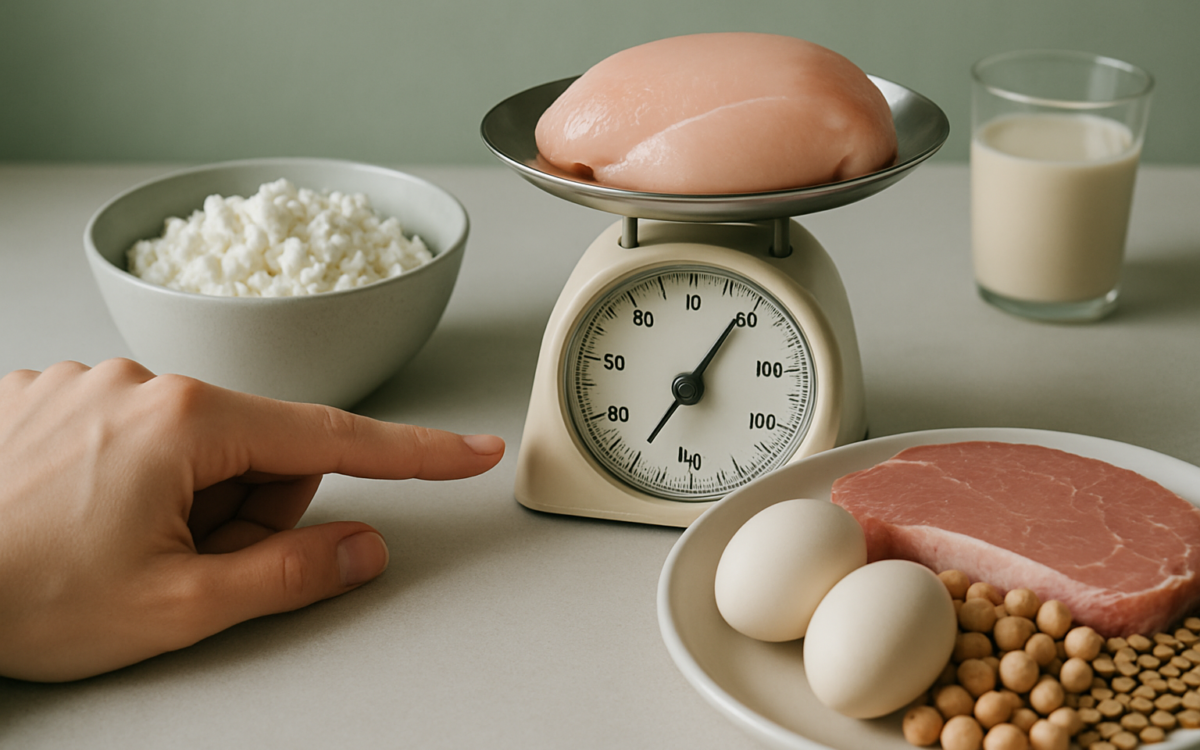
Incorporating a variety of protein sources into your diet can help you meet your daily needs. Here are some options:
- Animal Sources: Chicken, fish, eggs, dairy products.
- Plant Sources: Beans, lentils, tofu, nuts, and seeds.
- Protein Supplements: Protein powders can be a convenient option, especially for those who struggle to meet their needs through whole foods.
It’s crucial to choose high-quality protein sources for optimal health and nutrition. Balancing different types of protein can also provide your body with a more comprehensive profile of amino acids.
Signs of Protein Deficiency
Not consuming enough protein can lead to various health issues, including:
- Muscle loss and weakness
- Fatigue and low energy levels
- Slow recovery from injuries
- Weakened immune system
If you experience any of these symptoms, it may be worth assessing your diet and consulting a healthcare professional to evaluate your protein intake.
When to See a Doctor
If you suspect you have a protein deficiency or have specific dietary concerns, it is wise to consult a doctor or a registered dietitian. They can help you determine your unique protein requirements based on your health status, activity level, and lifestyle.
Conclusion
Understanding how many grams of protein you need each day can empower you to make healthier dietary choices. By considering your individual factors and potential protein sources, you can better equip yourself to meet your nutritional goals.
