
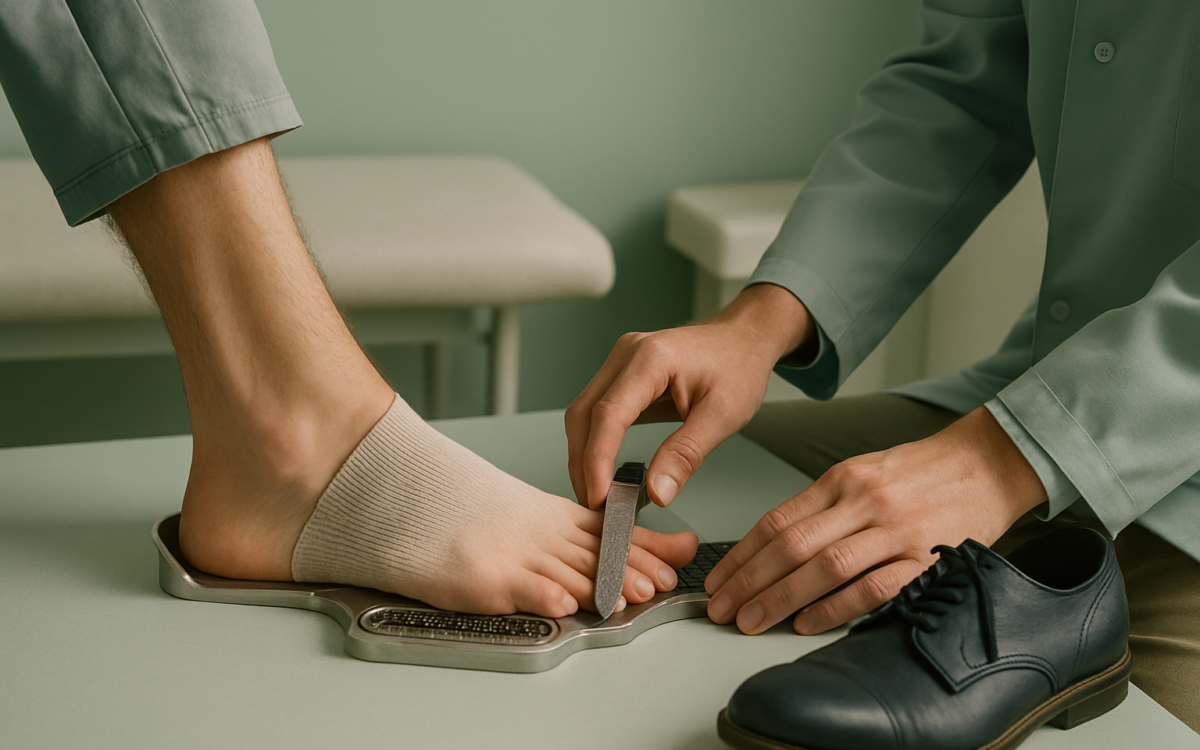
When it comes to shoes, size matters. The right shoe size can significantly impact comfort, foot health, and overall well-being. Just as with clothing, shoe sizes can vary widely, influenced by several factors such as genetics, lifestyle, and even geography. Let’s dive into the topic of average shoe sizes for men, translating size into what it means for you.
Understanding the Average Shoe Size
The average shoe size for adult men in the United States is between 10 and 12. This average can also vary depending on various factors such as age, height, and ethnicity. In young adults, the average might trend towards size 11, while older individuals may choose larger or smaller sizes due to foot health changes.
Factors Influencing Shoe Size
- Genetics: Genetics play a crucial role in determining foot size. If your parents had larger or smaller feet, it’s likely you will too.
- Age: As people age, their feet may spread, increasing shoe size or altering foot shape, which can impact comfort and fit.
- Location: Geographic factors can influence average shoe sizes. For instance, footwear sizes often differ in countries around the world.
- Foot Health: Issues like flat feet, arch height, or bunions can also affect how a size fits and whether you need to make accommodations in your shoe choice.
The Importance of Proper Fitting Shoes
Wearing the correct shoe size is critical for maintaining foot health. Shoes that fit well can prevent a host of problems, including discomfort, blisters, corns, and other foot-related issues. A poorly fitting shoe can lead to long-term conditions, such as plantar fasciitis or even arthritis.
To ensure your shoes fit well, consider the following tips:
- Try shoes on at the end of the day. Your feet swell throughout the day, and trying shoes on later gives a more accurate fit.
- Make sure there’s about half an inch of space between your longest toe and the end of the shoe.
- Walk around in the shoes to check for any discomfort or tight spots.
Shoe Size Conversion and Global Differences
If you travel or shop internationally, you’ll encounter different sizing systems, making it important to be aware of conversions. For instance, U.S. shoe sizes differ from those in Europe and the UK. A U.S. size 10 is approximately a UK size 9 and a European size 43. Having this knowledge can make shoe shopping easier and ensure you find the right fit without confusion.
Choosing the Right Shoe for Activities
The right shoe is not just about size; the type of shoe matters too. Different activities require different types of footwear. Here’s a quick guide:
- Running Shoes: Should provide good cushioning and support. Consider getting fitted at a specialty running store.
- Dress Shoes: Aim for a comfortable fit that allows for some stretching but doesn’t slip off.
- Work Boots: Heavy-duty shoes should fit snugly but allow for enough room to wear thicker socks.
When to See a Doctor
If you experience persistent foot pain or discomfort while wearing shoes, it’s essential to consult a healthcare provider. This could indicate underlying issues such as bunions, plantar fasciitis, or other health concerns that may require professional attention. Additionally, if you notice significant discrepancies in foot size from one foot to the other, it’s wise to seek advice from a medical professional.
Conclusion
Understanding the average shoe size for men helps you make informed choices about footwear, which is critical for foot health and comfort. Remember that factors like genetics and foot health play a significant role in determining your size. As you shop for shoes, keep in mind the importance of proper fitting and the varying shoe sizes globally. Ultimately, the best shoe size is the one that fits well and supports your lifestyle effectively.
For more information on foot health, you can explore resources from the National Institutes of Health or the Centers for Disease Control and Prevention.
