
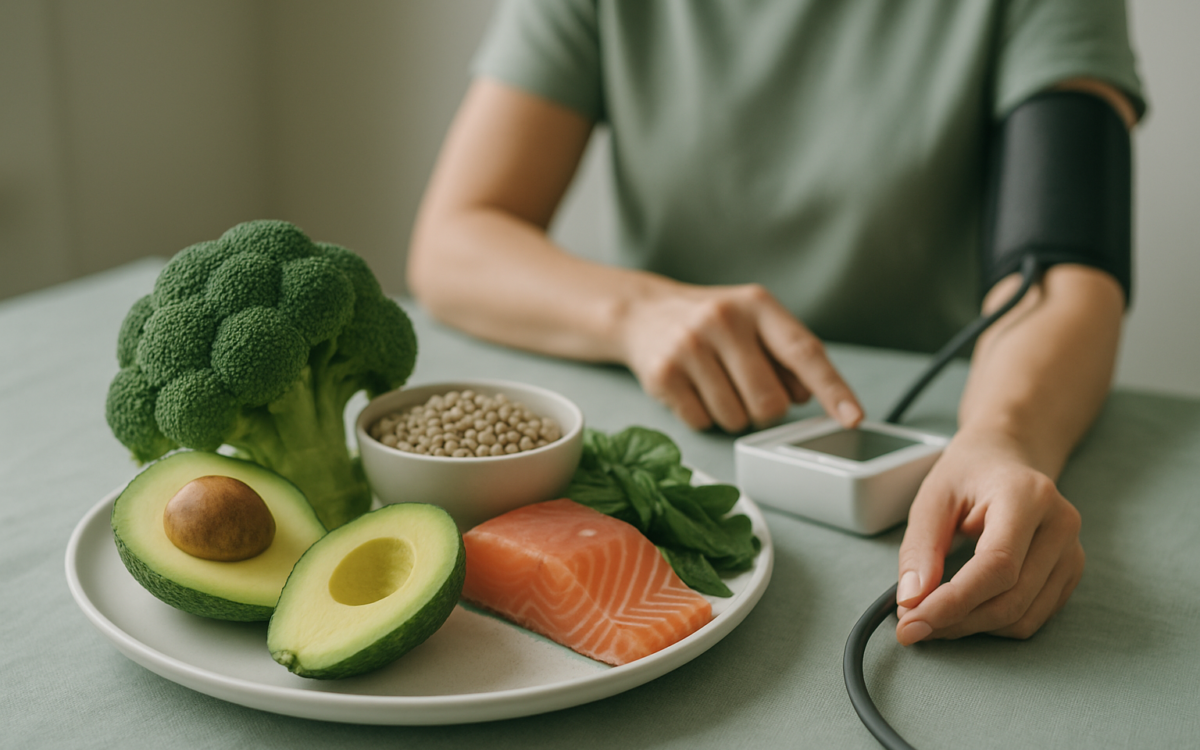
Many people are unaware that the food they eat plays a vital role in controlling their blood pressure. High blood pressure, or hypertension, affects millions worldwide and can lead to serious health issues, including heart disease and stroke. But the good news is that dietary changes can make a significant difference. In this article, we’ll explore the best diet choices to help you manage your blood pressure effectively.
The DASH Diet: A Great Foundation
One of the most recommended diets for managing high blood pressure is the Dietary Approaches to Stop Hypertension (DASH) diet. This eating plan emphasizes whole foods rich in essential nutrients while minimizing sodium intake. Research shows that following the DASH diet can significantly lower blood pressure.
The key components of the DASH diet include:
- Fruits and vegetables: Aim for at least 4-5 servings of each daily.
- Whole grains: Focus on 6-8 servings of whole grains like brown rice and whole wheat bread.
- Lean protein: Choose chicken, fish, and plant-based proteins such as beans and nuts.
- Low-fat dairy: Include 2-3 servings of low-fat or fat-free dairy products.
- Healthy fats: Opt for unsaturated fats, such as olive oil and avocados, and limit saturated and trans fats.
By incorporating these food groups, you can help reduce your blood pressure and improve overall health.
Understanding Sodium and Your Diet
Sodium is a significant player in controlling blood pressure. Excessive sodium intake can lead to fluid retention and increased blood pressure. The CDC recommends keeping sodium intake below 2,300 milligrams per day, and ideally around 1,500 milligrams for those with high blood pressure.
Here are some tips to reduce sodium in your diet:
- Limit processed foods: Many processed and packaged foods are high in sodium.
- Read labels: Check food labels for sodium content, and choose options labeled as ‘low-sodium’ or ‘no salt added.’
- Cook at home: Preparing meals from scratch gives you total control over the ingredients.
- Use herbs and spices: Replace salt with flavorful herbs and spices to enhance your dishes.
By being mindful of your sodium intake, you can positively impact your blood pressure levels.
The Importance of Potassium
Potassium is another essential mineral that can help regulate blood pressure. It helps balance the amount of sodium in your cells and aids in relaxing blood vessel walls. Foods rich in potassium include:
- Bananas
- Potatoes
- Spinach
- Avocados
- Beans
Including these potassium-rich foods in your diet can enhance your heart health and support blood pressure management.
Healthy Fats: Yes or No?
Not all fats are created equal when it comes to blood pressure. While saturated and trans fats can negatively affect heart health, unsaturated fats can be beneficial.
Focus on incorporating healthy fats into your diet, such as:
- Olive oil
- Fish, particularly fatty fish like salmon and mackerel
- Nuts and seeds
These foods can help reduce inflammation and improve heart health, contributing to better blood pressure control.
Portion Control and Balance
In addition to focusing on the types of foods you eat, portion control is crucial in managing your blood pressure. Eating large portions can lead to weight gain, which is often linked to higher blood pressure.
Here are some strategies for maintaining portion control:
- Use smaller plates: A smaller plate can make portions look larger.
- Practice mindful eating: Pay attention to your hunger cues and be aware of your eating habits.
- Balance your meals: Ensure your meals have a combination of carbohydrates, proteins, and healthy fats.
By being mindful of portion sizes, you can enjoy your favorite foods without compromising your health.
When to See a Doctor
If you struggle to manage your blood pressure through diet and lifestyle changes, it’s important to consult with a healthcare professional. They can provide guidance tailored to your individual needs and help monitor your condition.
Conclusion
Managing high blood pressure involves more than just medications. Making thoughtful dietary choices, like embracing the DASH diet, watching your sodium intake, and understanding the role of potassium and fats, can lead to healthier blood pressure levels. Remember, always consult your healthcare provider before making significant changes to your diet or lifestyle.
