
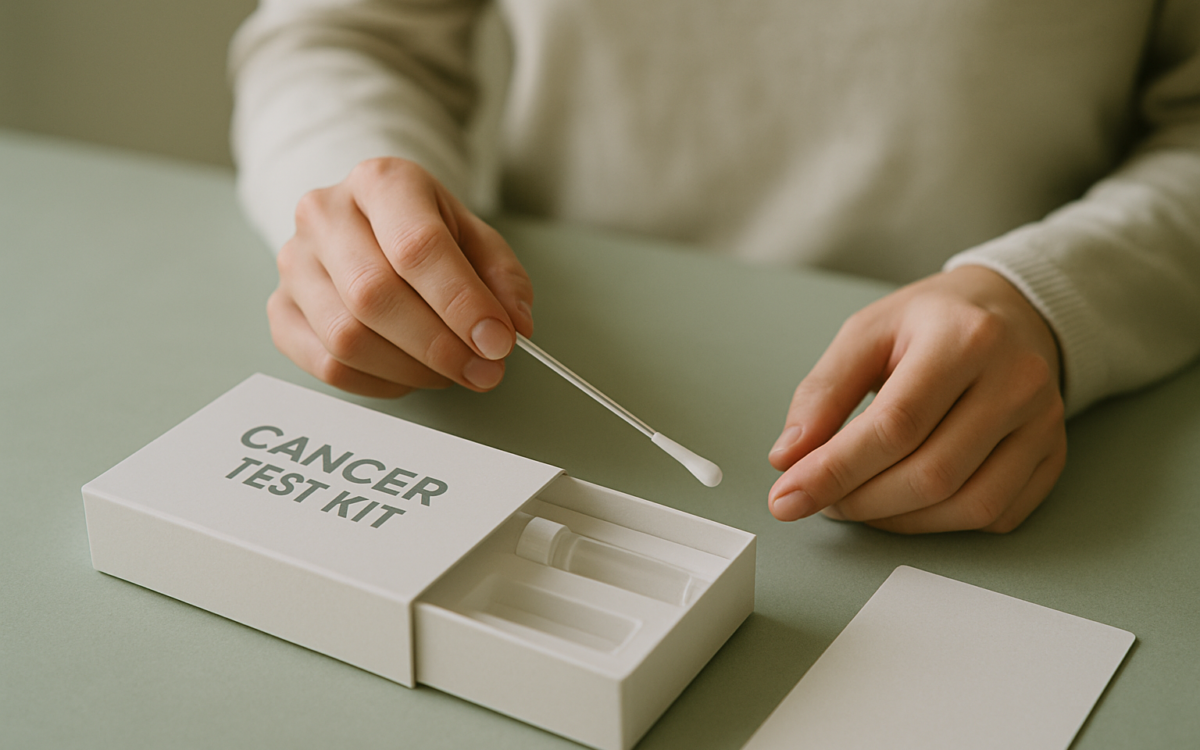
Cancer is one of the leading causes of death worldwide, but many types can be treated successfully when detected early. In recent years, cancer test kits have emerged as a new tool, allowing people to screen for certain cancers from the comfort of their own homes. This article will explore what cancer test kits are, how they work, their benefits and limitations, and when you should consider seeing a doctor.
What Are Cancer Test Kits?
Cancer test kits come in different forms and can test for specific cancers or genetic markers associated with cancer risk. Generally, these kits allow individuals to gather samples—such as saliva, urine, or blood—without needing to go to a doctor’s office.
Types of Cancer Test Kits
There are various types of cancer test kits available, targeting different types of cancer. Here are some common categories:
- Genetic Testing Kits: These kits analyze your DNA for mutations that may increase your risk of developing certain cancers, such as BRCA1 and BRCA2 mutations linked to breast and ovarian cancer. You can find resources about genetic testing on sites like NIH.
- Screening Kits for Specific Cancers: Some kits test for biomarkers associated with various cancers. For instance, certain blood tests may screen for prostate cancer or colon cancer.
- At-Home Stool Tests: These kits check for blood in your stool, a potential indicator of colorectal cancer. The CDC provides useful information on cancer screening methods at CDC.
- Urine and Saliva Tests: Certain kits analyze samples for biomarkers associated with bladder cancer or other diseases.
How Do Cancer Test Kits Work?
The operation of a cancer test kit varies depending on the type of test. Generally, here’s how it works:
- Sample Collection: You will collect a sample at home according to the kit instructions. This process is usually simple and quick.
- Sampling to Laboratory: After collecting the sample, you’ll send it back to a designated laboratory for analysis. Some tests can provide results directly through at-home devices.
- Receiving Results: Once the analysis is complete, you’ll receive your results, often accompanied by information to help you understand what they mean.
Benefits of Using Cancer Test Kits
Cancer test kits offer several advantages:
- Convenience: You can perform tests at home without needing a doctor’s appointment. This is particularly helpful for individuals who may have mobility issues or live in remote areas.
- Privacy: Some might feel more comfortable using these kits rather than discussing sensitive health issues in person.
- Early Detection: Some kits can potentially identify health risks before the onset of symptoms, allowing for earlier intervention and treatment.
Limitations and Considerations
Despite their benefits, there are important limitations to consider:
- False Positives and Negatives: No test is perfect. A false positive may lead to unnecessary anxiety and further testing, while a false negative could provide false reassurance.
- Not Comprehensive: Many cancer test kits only target specific types of cancers or genetic markers, so you may still require traditional screenings.
- Lack of Medical Guidance: Interpreting test results without a healthcare professional can be challenging. It’s essential to consult with a doctor for comprehensive understanding and follow-up.
When to Consider a Cancer Test Kit
Cancer test kits might be suitable for individuals with a family history of certain cancers or those who have risk factors such as genetic mutations. However, it’s crucial to approach these tests as part of a broader health strategy. If you’re unsure whether a cancer test kit is right for you, consult your doctor first. They can help determine your risk and suggest appropriate screenings.
When to See a Doctor
If you receive a positive result from a cancer test kit or have symptoms such as unexplained weight loss, persistent pain, or changes in bowel habits, it is important to contact your healthcare provider. Early evaluation and intervention can be crucial in managing health conditions effectively. Always remember that while cancer test kits provide valuable information, they should not replace regular medical check-ups and screenings.
For more information on cancer screening guidelines and prevention, consider visiting resources such as the World Health Organization (WHO) or Mayo Clinic.
In conclusion, while cancer test kits can play a role in monitoring health, they are not surefire solutions. By combining at-home tests with traditional healthcare practices, individuals can take significant steps toward understanding and managing their cancer risks.
