
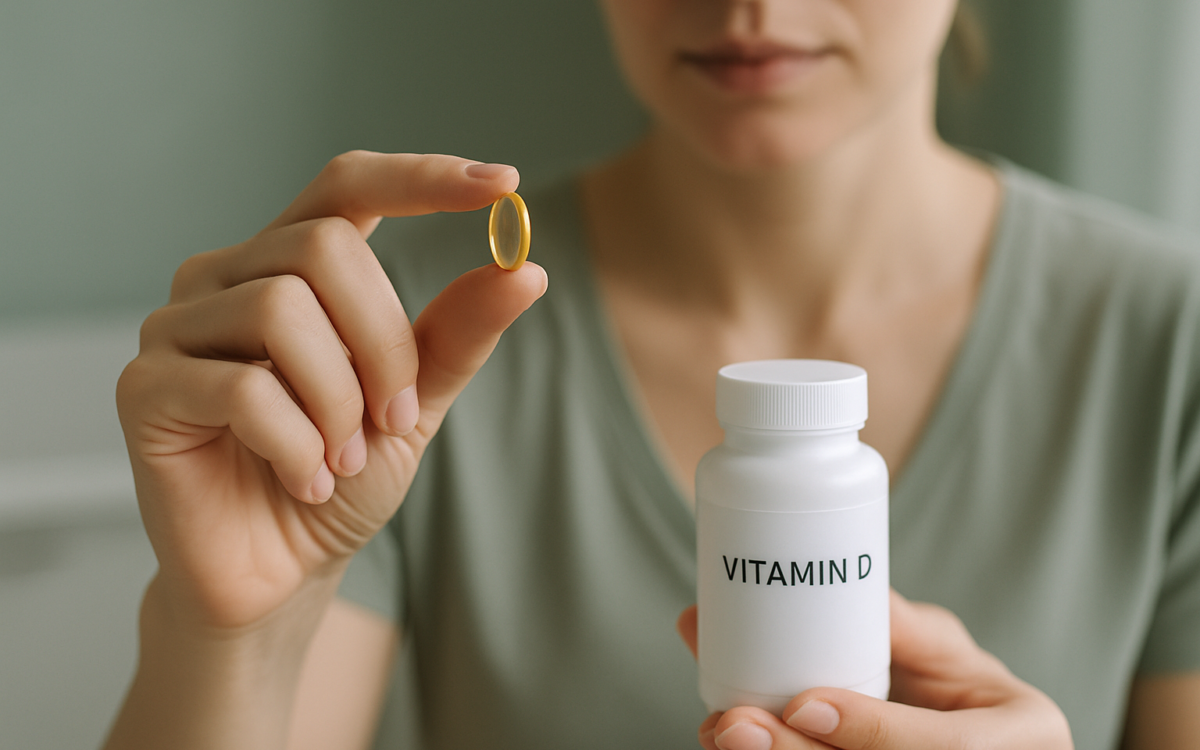
Vitamin D is often referred to as the “sunshine vitamin” because our bodies produce it in response to sunlight. However, many women don’t get enough of this vital nutrient through sunlight alone, which brings us to the question: how much vitamin D3 should a woman take daily for optimal health?
The Importance of Vitamin D3
Vitamin D3, or cholecalciferol, is a form of vitamin D that our body can utilize effectively. It plays a crucial role in maintaining bone health by helping to absorb calcium and phosphorus from the food we eat. Beyond bone health, vitamin D3 also supports immune function, reduces inflammation, and may even influence mood. A sufficient level of vitamin D is linked to many health benefits, including reduced risk of chronic diseases. (NIH)
Recommended Daily Allowance
According to the National Institutes of Health (NIH), the recommended dietary allowance (RDA) for vitamin D varies by age, sex, and life stage. For women aged 19 to 70, the RDA is typically set at 600 IU (international units) per day. For women over 70, the recommendation increases to 800 IU daily. These values are meant to maintain bone health and overall well-being.
Factors Affecting Vitamin D Needs
While the RDAs serve as a helpful guideline, several factors can influence your individual need for vitamin D3:
- Geographical Location: Women living in northern latitudes or areas with limited sunlight exposure, especially during winter, may require more vitamin D from supplements.
- Skin Color: Melanin, the pigment responsible for darker skin, can reduce the skin’s ability to produce vitamin D. Women with darker skin may need more sun exposure or higher doses of supplements.
- Diet: If your diet is low in vitamin D sources like fatty fish, fortified dairy products, and egg yolks, you might need to consider supplementation.
- Health Conditions: Certain medical conditions or medications can affect vitamin D metabolism. Women with digestive disorders, for example, may have difficulty absorbing this vitamin.
Sources of Vitamin D3
Vitamin D3 can be obtained through various sources:
- Sun Exposure: About 10 to 30 minutes of sun exposure several times a week can contribute to vitamin D production. However, factors such as time of day, season, and skin type can affect this.
- Food: Incorporating foods rich in vitamin D, like salmon, tuna, mackerel, and egg yolks, can help meet dietary needs. Additionally, some food products are fortified with vitamin D, such as milk and cereals.
- Supplements: Many women choose to take vitamin D3 supplements, especially if dietary intake and sun exposure are insufficient. These supplements can provide an easy way to meet the recommended levels.
Potential Risks of Over-Supplementation
While vitamin D is essential for health, too much of it can lead to toxicity. High doses of vitamin D3 (above 4,000 IU per day) can cause elevated blood calcium levels, leading to nausea, weakness, and kidney problems. Therefore, it’s vital to consult a healthcare provider before starting any supplement to ensure it’s appropriate for your individual situation.
Evaluating Your Vitamin D Levels
The best way to know your vitamin D levels is through a blood test, typically performed by a healthcare provider. If you’re concerned about your vitamin D status or considering taking supplements, discuss it with your doctor who can guide appropriate testing and supplementation based on your needs.
Importance of Regular Monitoring
For women who have undergone significant changes in health or lifestyle, regular monitoring of vitamin D levels can be beneficial. Depending on the results, your healthcare provider may adjust recommended dosages or suggest lifestyle changes to ensure you get the nutrition you need.
When to See a Doctor
If you experience symptoms such as bone pain, muscle weakness, or fatigue, it may be time to talk to your doctor about your vitamin D levels. Additionally, if you have health conditions that affect nutrient absorption, make sure to seek guidance on managing your vitamin D intake.
Conclusion
Understanding how much vitamin D3 is suitable for women is essential for maintaining health and preventing deficiencies. Adhering to the recommended daily allowance, factoring in your individual health status and lifestyle, and discussing any supplementation with a healthcare professional can help you achieve optimal health. By prioritizing vitamin D3, you can support not just bone health, but your overall well-being.
