
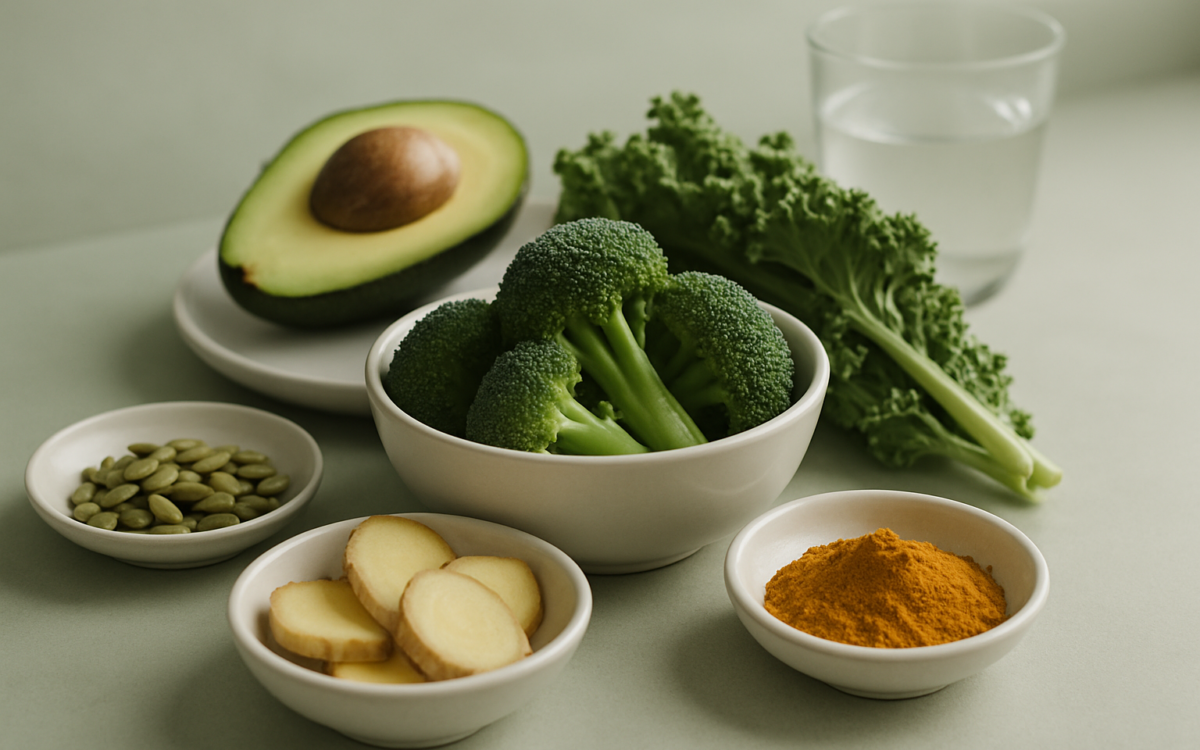
When it comes to achieving optimal health, the foods we choose to eat play a critical role. Many people are unaware that some foods can actively fight inflammation in the body. Chronic inflammation is linked to various diseases, including heart disease, diabetes, and arthritis. Fortunately, by incorporating certain anti-inflammatory foods into your diet, you can support your overall health and well-being.
Understanding Inflammation
Inflammation is the body’s natural response to injury or infection. It’s meant to be a short-term protective reaction. However, when inflammation becomes chronic, it can lead to health issues. Various factors, including poor diet, stress, and lack of exercise, can contribute to this persistent inflammation.
Incorporating foods that combat inflammation can counteract harmful effects in the body. Foods rich in antioxidants, fatty acids, and fiber can significantly aid in reducing inflammation.
Fruits and Vegetables: Nature’s Anti-Inflammatory Powerhouses
Colorful fruits and vegetables are among the best sources of anti-inflammatory nutrients. They are packed with vitamins, minerals, and antioxidants that help reduce inflammation.
Berries
Specifically, berries like strawberries, blueberries, and blackberries are known for their high levels of antioxidants called flavonoids. These compounds can help lower markers of inflammation in the body. A study published on the NIH website highlights how regular berry consumption can decrease inflammation.
Leafy Greens
Vegetables such as spinach, kale, and collard greens are rich in vitamins C and E, which are known to fight inflammation. Their high fiber content also contributes to better gut health, which plays a role in controlling inflammation.
Healthy Fats: Omega-3 Fatty Acids
Fat is not inherently bad; it depends on the type of fat consumed. Omega-3 fatty acids, found in fatty fish like salmon, mackerel, and sardines, are well-known for their anti-inflammatory effects. These healthy fats support heart health and can reduce stiffness and joint pain in conditions like arthritis.
Nuts and Seeds
In addition to fish, nuts like walnuts and seeds such as flaxseeds and chia seeds are excellent sources of omega-3 fatty acids. They can easily be added to smoothies, salads, or enjoyed as snacks to reap their benefits.
Flavorful Spices That Fight Inflammation
Spices not only add flavor to meals but also provide health benefits. Some spices are particularly known for their anti-inflammatory properties.
Tumeric
Tumeric contains curcumin, a compound that has been found to reduce inflammation effectively. Adding a pinch of turmeric to your dishes or enjoying turmeric tea can be beneficial.
Ginger
Ginger has been used for centuries as a natural remedy for various ailments and is recognized for its anti-inflammatory effects. It’s easy to integrate into your diet; you can add fresh ginger to teas, stir-fries, and baked goods.
Whole Grains Over Refined Grains
Replacing refined grains with whole grains can significantly impact inflammation levels in the body. Whole grains like quinoa, brown rice, and oats are rich in fiber, which can help lower inflammatory markers.
Refined grains, on the other hand, can lead to spikes in blood sugar and potentially increase inflammation. Making small changes in your grain choices can lead to better health outcomes.
Legumes: Beans and Lentils
Legumes, such as chickpeas, lentils, and various types of beans, are remarkable sources of fiber and protein. They can help stabilize blood sugar levels and lower inflammation in the body.
Including legumes in your meals is also a great way to make your diet more plant-based, contributing to overall health.
When to See a Doctor
If you experience persistent inflammation symptoms, such as joint pain, fatigue, or frequent illness, consult with a healthcare provider. They can help you determine the underlying causes and recommend appropriate dietary and lifestyle changes.
Your health is unique, and what works for one person might not work for another. Therefore, it’s essential to get personalized advice.
Conclusion
Adopting an anti-inflammatory diet is an excellent strategy for enhancing your overall well-being. With a variety of delicious options at your fingertips—from fruits and vegetables to healthy fats, whole grains, and spices—eating well can be both enjoyable and beneficial. Remember to consult with a healthcare provider when making significant changes to your diet, especially if you have existing health concerns. By making mindful food choices, you can help reduce inflammation in your body and promote better health.
