
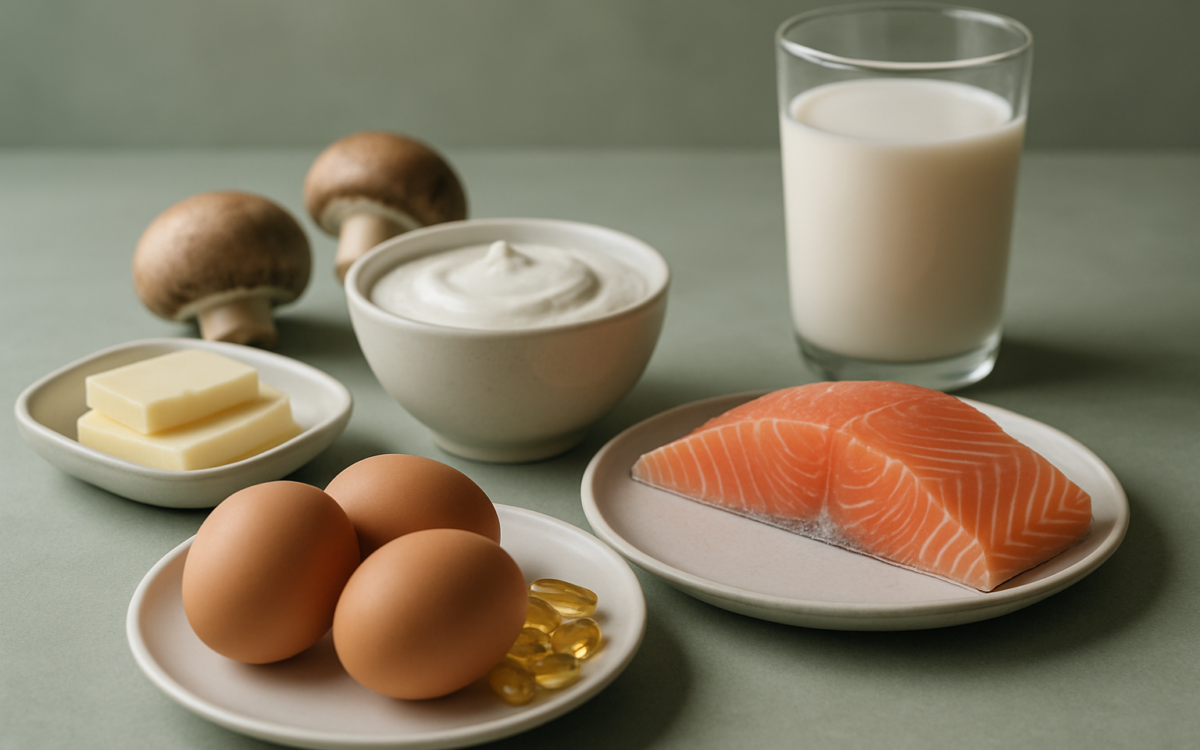
Vitamin D is essential for maintaining healthy bones and supporting immune function, but many people struggle to get enough of it through sunlight alone. One great way to boost your vitamin D levels is through the foods you eat. In this article, we will explore various food sources of vitamin D that you can easily incorporate into your diet.
What is Vitamin D?
Vitamin D is a fat-soluble vitamin, which means it can be stored in your body’s fatty tissue and used when needed. It plays a critical role in calcium absorption, helping to maintain strong bones and teeth. Additionally, vitamin D is important for overall health, including supporting the immune system and regulating mood. The body can produce vitamin D when exposed to sunlight, but dietary sources can also play a vital role, especially in regions with limited sun exposure.
Creamy Fish: Salmon, Mackerel, and Sardines
Fatty fish are some of the best natural food sources of vitamin D. Among them, salmon stands out as a delicious option. A 3.5-ounce serving of cooked salmon can provide around 570 IU (International Units) of vitamin D, which is more than half the recommended daily intake for adults. Other fatty fish like mackerel and sardines are also excellent choices:
- Mackerel: About 345 IU per 3.5 ounces
- Sardines: Approximately 272 IU per 3.5 ounces
Incorporating these fish into your meals not only helps boost your vitamin D levels but also provides omega-3 fatty acids, which are beneficial for heart health.
Dairy Delights: Milk and Fortified Products
Many people enjoy dairy products, and they can also be a good source of vitamin D when fortified. Milk, for example, is often fortified with vitamin D, providing about 100 IU in an 8-ounce glass. Other dairy alternatives, such as soy or almond milk, are also commonly fortified with vitamin D. Here are some notable fortified dairy products:
- Fortified yogurt: Contains around 80 IU per serving
- Cheese: Some varieties, like Swiss, can provide small amounts, approximately 6 IU per slice
Make sure to check the labels for vitamin D fortification, as not all dairy products contain added vitamin D.
Eggs: More Than Just a Breakfast Food
Eggs are a versatile food and a wonderful addition to your diet for several reasons. One large egg yolk contains about 41 IU of vitamin D, making them a convenient option to help increase your intake. Plus, eggs are rich in protein and other essential nutrients, making them a nutritious choice for various meals. You can enjoy them in many ways—boiled, scrambled, or in an omelet!
Plant-Based Sources: Mushrooms and Fortified Foods
While vitamin D is primarily found in animal products, certain mushrooms, specifically those exposed to ultraviolet (UV) light, can also provide a decent amount of this vitamin. For example, UV-exposed mushrooms can contain over 450 IU of vitamin D per 3.5 ounces. If you follow a vegetarian or vegan diet, consider adding these mushrooms to your meals.
Additionally, various plant-based foods, like cereals and nutritional yeast, may also be fortified with vitamin D, making them great options for those following a plant-based diet. Always check product labels for vitamin D content.
Vitamin D Supplements: An Option If Needed
In some cases, it may be challenging to get enough vitamin D from diet alone, particularly for individuals living in areas with limited sunlight or those with dietary restrictions. In such situations, vitamin D supplements can be considered. There are two main types: vitamin D2 (ergocalciferol) and vitamin D3 (cholecalciferol), with D3 being the preferred form for raising vitamin D levels in the body. It’s crucial to consult with a healthcare provider before starting any supplements to determine the right dosage for your needs.
When to See a Doctor
If you suspect that you may be vitamin D deficient or are experiencing symptoms such as bone pain, fatigue, or muscle weakness, it’s essential to consult with a healthcare professional. They can conduct blood tests to measure your vitamin D levels and recommend appropriate dietary adjustments or supplements if necessary. For more information about vitamin D and its importance, visit the NIH National Library of Medicine or the CDC.
In conclusion, incorporating foods that are naturally rich in vitamin D or fortified with this vital nutrient is a delicious way to support your overall health. Whether you enjoy fatty fish, dairy products, eggs, or even UV-exposed mushrooms, there are plenty of options to include in your meals. Always consider consulting with your healthcare provider to ensure you’re meeting your nutritional needs.
