
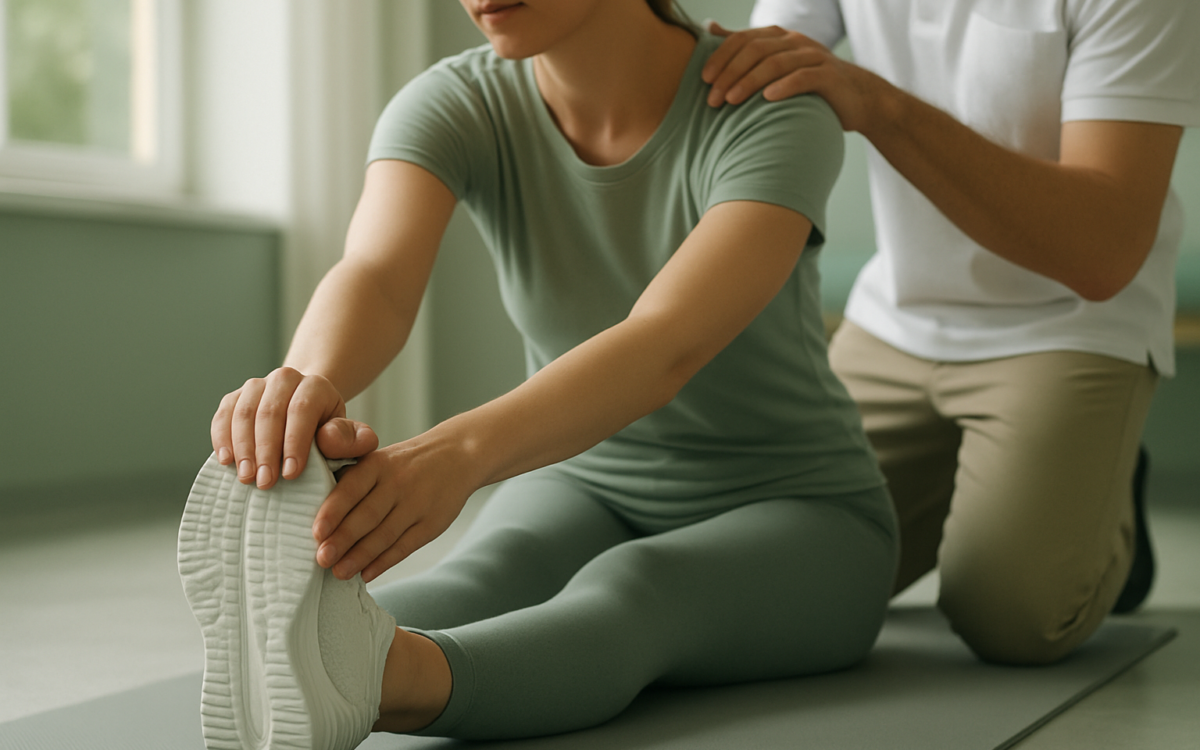
Stretching might seem like a basic part of exercising, but its benefits go far beyond just prep for a workout. Incorporating stretch activity into your daily routine can improve your flexibility, prevent injuries, and even lift your mood. Whether you are an athlete, a fitness enthusiast, or someone looking to improve your quality of life, understanding the importance of stretch activities is key.
What is Stretch Activity?
Stretch activity refers to exercises that enhance muscle flexibility and stiffness. These movements typically involve lengthening and relaxing the muscles to improve their range of motion. Stretching can be static—meaning you hold a position for a period of time—or dynamic, involving movement while stretching. Incorporating stretch activities into your routine can be an easy and effective way to maintain mobility as you age.
The Physical Benefits of Stretching
Stretching offers numerous physical benefits that can enhance your overall health and fitness. Here are some key advantages:
- Improves Flexibility: Regular stretching helps to lengthen muscles and increase joint range of movement. This can be particularly beneficial for athletes, as improved flexibility allows better performance.
- Reduces Risk of Injury: Engaging in stretching activities can prepare your muscles for exercise, which reduces the risk of injuries. Warming up your muscles through stretching ensures they are more pliable and less prone to strains.
- Alleviates Muscle Tension: Stretching helps to relieve tension in your muscles, promoting relaxation and reducing discomfort that comes from daily stress or prolonged sitting.
Mental and Emotional Benefits of Stretching
Stretch activity isn’t just about physical health; it can also have positive effects on your mental and emotional well-being:
- Boosts Mood: Stretching can increase blood flow and resource delivery to your muscles and brain, helping to lift your spirits and eliminate feelings of stress or anxiety.
- Enhances Focus: Taking a few moments to stretch can serve as a little break, helping you recharge your mind so you can concentrate better on tasks ahead.
- Promotes Relaxation: Stretching can be a calming activity that helps reduce stress hormones in your body, promoting an overall sense of relaxation.
When to Incorporate Stretch Activity
Finding the right time to stretch can maximize its benefits. Here are a few situations to consider:
- Before Physical Activity: Perform dynamic stretches to warm up your muscles and prepare for exercise.
- After Workouts: Post-exercise stretching can help cool down your muscles and restore their length.
- During Breaks: If you have a sedentary job, take a stretch break every hour to relieve tension in your muscles and enhance circulation.
Types of Stretching Techniques
Different techniques can be used within stretch activities, allowing you to find what works best for you:
Static Stretching
This involves holding a stretch in a challenging but comfortable position for a specific duration, usually 15 to 60 seconds. Examples include the seated hamstring stretch and the standing quadriceps stretch.
Dynamic Stretching
Dynamic stretching involves moving as you stretch. This can include leg swings, arm circles, or walking lunges to help prepare your muscles for activity.
Proprioceptive Neuromuscular Facilitation (PNF)
PNF stretching involves both stretching and contracting the muscle group being targeted. This technique generally requires a partner and is commonly used in physical therapy settings.
Tips for Safe Stretching
While stretching is generally safe, following a few guidelines can enhance its effectiveness and prevent injury:
- Warm Up: Always start with a light warm-up before stretching to avoid injury.
- Breathe Deeply: Focus on your breath while stretching. Deep breathing can help improve relaxation and increase stretch intensity.
- Listen to Your Body: If a stretch causes pain, stop immediately and ease off. Stretching should feel comfortable, not painful.
When to See a Doctor
If you experience persistent pain or discomfort while stretching, it’s important to consult a healthcare professional. Conditions like strains or underlying injuries may need expert evaluation. Additionally, if you have chronic health conditions or specific concerns regarding your physical activity, speaking to a doctor can help tailor a safe stretching routine for you.
Conclusion
Integrating stretch activities into your routine can offer a vast array of physical and mental benefits. Whether you’re looking to enhance flexibility, reduce stress, or recover from workouts, stretching can play a vital role in your wellness journey. Remember, it’s essential to listen to your body and consult with a healthcare provider if you have any concerns. Embrace the power of stretch activity, and feel the difference it can make in your daily life!
