
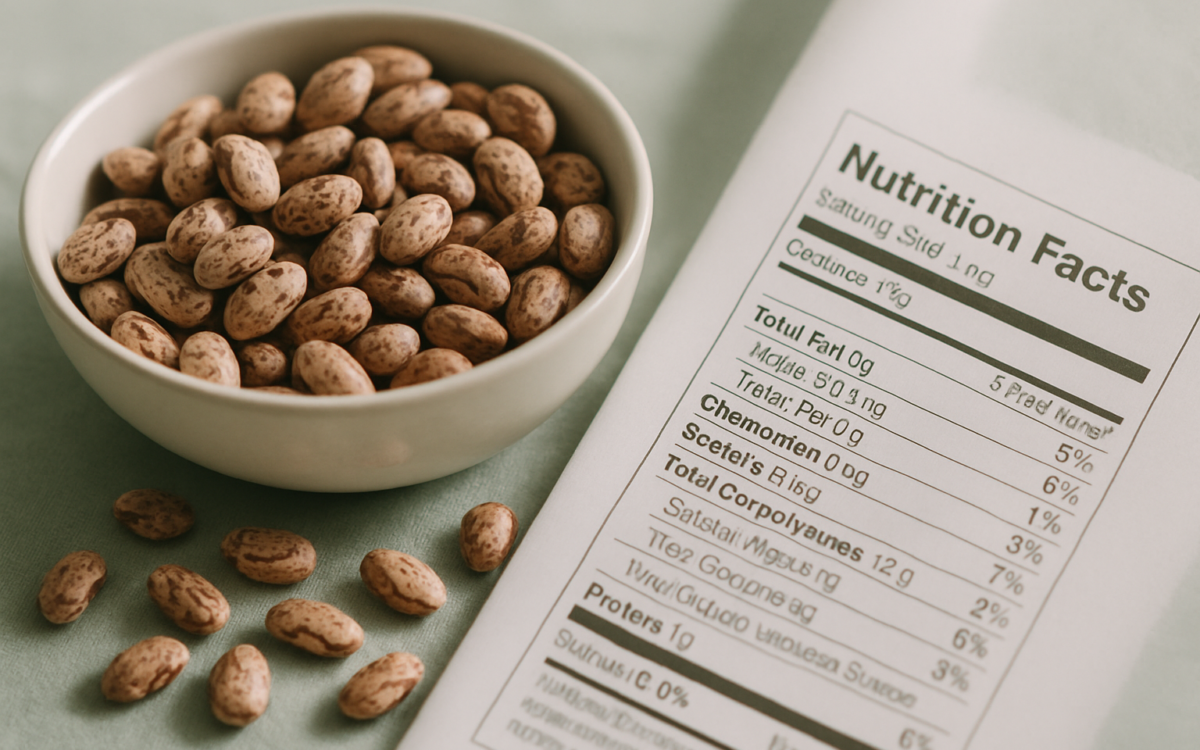
Pinto beans are a versatile legume that can be enjoyed in various dishes, from burritos to soups. But beyond their delicious flavor and satisfying texture, they are also packed with nutrients that can benefit your overall health. This article dives into the nutritional facts of pinto beans, explores their health benefits, and shares tips on how to incorporate them into your diet.
Pinto Beans: Basic Nutritional Facts
Pinto beans are a rich source of several important nutrients. A typical serving size of cooked pinto beans (about one cup or 171 grams) provides approximately:
- Calories: 245
- Protein: 15.4 grams
- Carbohydrates: 45.3 grams
- Fat: 0.9 grams
- Dietary Fiber: 15.5 grams
- Folate: 294 micrograms
- Iron: 3.57 milligrams
- Magnesium: 76 milligrams
These values may vary slightly depending on the cooking method, but overall, pinto beans are an excellent source of protein and fiber, making them a staple in many plant-based diets.
Health Benefits of Pinto Beans
Pinto beans offer a range of health benefits thanks to their impressive nutritional profile. Here are some of the key advantages:
1. Rich in Protein
Protein is essential for building and repairing tissues in the body. Pinto beans contain about 15 grams of protein per serving, making them a fantastic plant-based protein source. This can be especially beneficial for vegetarians and vegans looking to meet their daily protein needs without consuming animal products.
2. High in Dietary Fiber
A diet rich in fiber can promote digestive health and help maintain a healthy weight. Pinto beans provide a substantial amount of dietary fiber, which can aid in digestion and prevent constipation. Moreover, fiber can help regulate blood sugar levels by slowing down the absorption of sugar into the bloodstream, making pinto beans an excellent choice for those managing diabetes.
3. Packed with Vitamins and Minerals
Pinto beans are loaded with essential vitamins and minerals. They are an excellent source of folate, which is crucial for DNA synthesis and repair, as well as for the production of red blood cells. Additionally, they provide iron—a mineral essential for transporting oxygen throughout the body—and magnesium, which supports muscle and nerve function, among other things.
4. Heart Health Benefits
Consuming pinto beans may contribute to heart health. Studies have shown that eating legumes can reduce cholesterol levels, leading to improved heart health. Pinto beans are also low in fat and contain no cholesterol, making them a heart-friendly food choice. Their high fiber content works seamlessly with the heart-healthy potential of this legume.
5. Natural Antioxidants
Pinto beans contain various antioxidants, which help protect the body from oxidative stress and inflammation. Antioxidants can play a role in lowering the risk of chronic diseases such as heart disease and cancer. By including beans in your diet, you may help fight inflammation and support overall health.
How to Incorporate Pinto Beans into Your Diet
Getting pinto beans into your meals can be delightful and easy. Here are some simple suggestions:
- Salads: Add cooked or canned pinto beans to salads for extra protein and a satisfying texture.
- Soups and Stews: Use pinto beans in soups or stews for added heartiness and nutrition.
- Wraps and Tacos: Fill whole-grain wraps or corn tortillas with pinto beans and your favorite veggies for a nutritious meal.
- Purees: Blend cooked pinto beans into a smooth dip or spread, perfect for pairing with whole-grain crackers or fresh veggies.
Whether you’re a fan of traditional dishes or innovative culinary experiments, pinto beans are sure to add flavor and nutrients to your meals.
Possible Risks and Considerations
While pinto beans are generally safe and nutritious, they do contain antinutrients like phytic acid, which can inhibit the absorption of certain minerals. However, soaking and cooking beans adequately significantly reduces these effects. It’s also important to introduce beans into your diet gradually if you are not used to them, as the high fiber content can lead to gas and bloating.
When to See a Doctor
If you experience severe gastrointestinal discomfort, such as prolonged bloating, gas, or changes in bowel habits after consuming pinto beans or any legumes, it may be wise to consult a healthcare professional. They can help determine if there are any underlying issues or recommend dietary modifications suited to your needs.
Conclusion
Pinto beans are more than just a tasty addition to your plate. With their rich protein content, high fiber, and array of vitamins and minerals, they present numerous health benefits. Whether you enjoy them in traditional recipes or discover new ways to serve them, adding pinto beans to your diet is a fantastic way to boost your nutrition. So the next time you’re planning a meal, consider making pinto beans the star of the show!
