
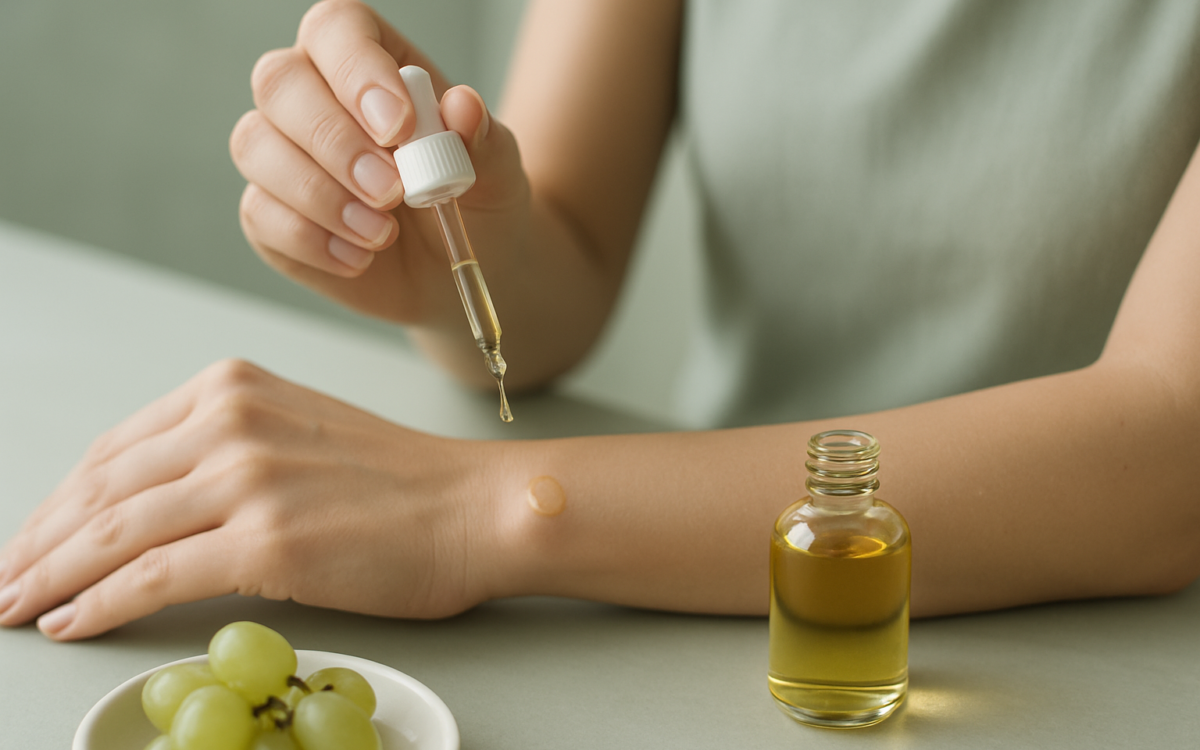
Grapeseed oil has gained popularity in the beauty and skincare world for its numerous benefits. Extracted from the seeds of grapes, this light and versatile oil is rich in antioxidants and essential fatty acids that can significantly enhance skin health. In this article, we will explore the various ways grapeseed oil can promote healthier skin and discuss how to incorporate it into your skincare routine.
What Makes Grapeseed Oil Special?
Grapeseed oil is extracted during the winemaking process and has a variety of nutritional components that make it beneficial for skin care. It is high in vitamin E, polyphenols, and essential fatty acids, which are known to nourish and protect the skin. These compounds can help reduce oxidative stress, a key factor in aging and skin damage.
Hydration and Moisture Retention
One of the standout benefits of grapeseed oil is its ability to hydrate and moisturize the skin effectively. Its lightweight texture allows for easy absorption without leaving a greasy residue. This quality makes it an excellent choice for those with oily or combination skin types.
When applied to the skin, grapeseed oil forms a barrier that locks in moisture, keeping the skin hydrated throughout the day. The oil’s high linoleic acid content helps nourish the skin, making it a great option for people struggling with dryness.
Antioxidant Protection Against Aging
The antioxidant properties of grapeseed oil play a crucial role in fighting the signs of aging. Antioxidants help neutralize free radicals, which can cause cellular damage and lead to premature aging of the skin. By using grapeseed oil in your skincare routine, you may be able to reduce the appearance of fine lines and wrinkles over time.
In a study published in the Journal of Medicinal Food, researchers found that grapeseed oil’s antioxidant effects are significant when applied topically, reinforcing its role in maintaining youthful skin.
Soothing Acne and Reducing Inflammation
Grapeseed oil is also known for its anti-inflammatory properties, making it a useful option for those with acne-prone skin. The oil can help reduce redness and swelling associated with breakouts, allowing the skin to heal more effectively. Its linoleic acid content may also help regulate oil production, which can prevent clogged pores.
For individuals experiencing acne, incorporating grapeseed oil into your skincare regimen can provide a gentle, natural method of treatment. By reducing inflammation and potentially preventing future breakouts, grapeseed oil can lead to clearer skin over time.
Enhancing Overall Skin Texture
Regular use of grapeseed oil can lead to improved overall skin texture. Its emollient properties help smooth and soften the skin, promoting a more even complexion. Many users report that grapeseed oil makes their skin feel velvety and rejuvenated.
Additionally, the oil can aid in reducing the appearance of scars and stretch marks. With consistent use, grapeseed oil may help to fade imperfections, giving the skin a more uniform look.
How to Use Grapeseed Oil in Your Skincare Routine
Incorporating grapeseed oil into your skincare routine is straightforward. Here are some ways to use it:
- As a moisturizer: Apply a few drops of grapeseed oil directly to your skin after cleansing, allowing it to absorb before applying other products.
- As a facial serum: Mix grapeseed oil with other essential oils like lavender or tea tree oil to create a nourishing facial serum.
- In DIY masks: Combine grapeseed oil with ingredients like honey or yogurt to make a hydrating mask.
- As a massage oil: Use grapeseed oil as a base for body massage, providing hydration while soothing your skin.
Possible Side Effects and Precautions
While grapeseed oil is generally safe for most skin types, it’s important to perform a patch test before applying it widely. This can help identify any allergic reactions or sensitivities. Apply a small amount of oil on a discreet area of skin and wait 24 hours to check for any adverse reactions.
Individuals with nut allergies should also exercise caution, as some grapeseed oils may be processed in facilities that handle nuts. If you experience irritation or an allergic reaction, discontinue use and consult a healthcare professional.
When to See a Doctor
If you experience severe skin reactions or persistent acne after using grapeseed oil, it’s essential to consult a healthcare provider or dermatologist. They can provide guidance tailored to your skin type and condition, ensuring you achieve the best results from your skincare routine.
Moreover, if you have pre-existing skin conditions or are unsure about adding grapeseed oil to your routine, a doctor can help you determine if it’s right for you.
Conclusion
Grapeseed oil is a versatile ingredient that can enhance your skincare routine without overwhelming your skin. Its hydrating, antioxidant, and anti-inflammatory properties make it an excellent choice for various skin types. Whether you’re looking to moisturize, reduce acne, or improve overall skin texture, grapeseed oil may be a beneficial addition to your daily regimen. As with any skincare product, remember to consult your healthcare provider for personalized advice.
