
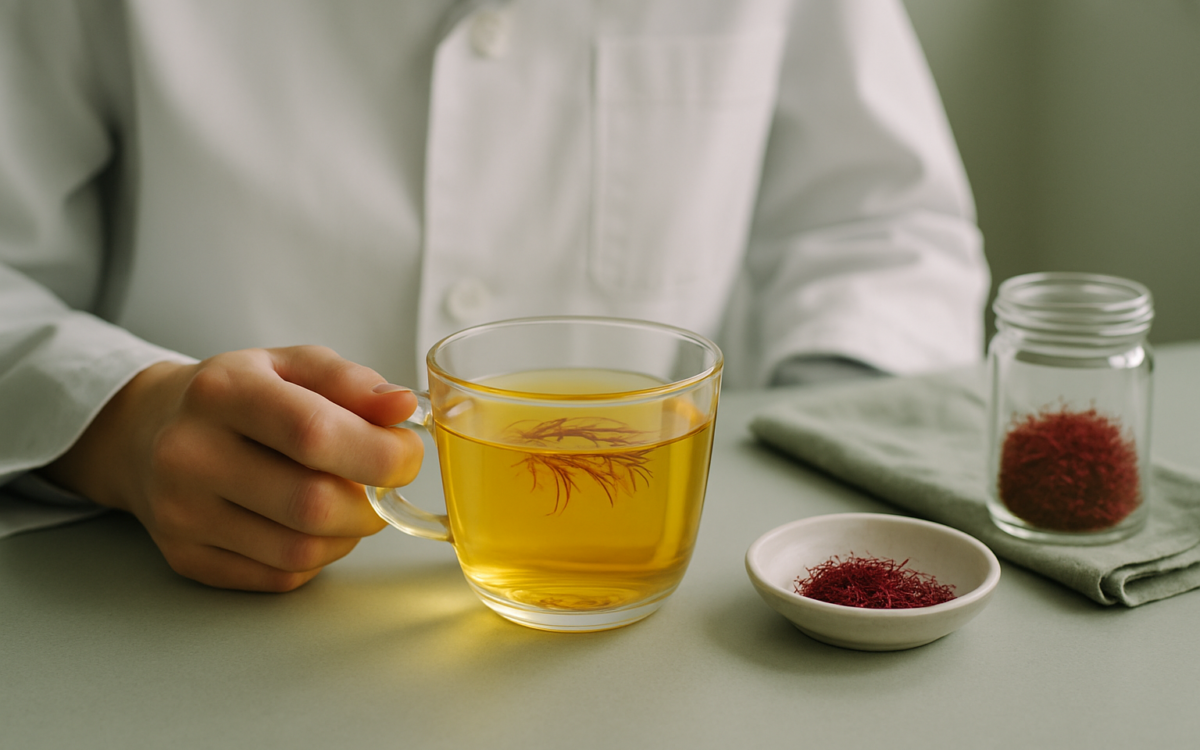
When you think of soothing beverages, saffron tea may not be the first thing that comes to mind. Yet, this golden infusion made from saffron, the world’s most expensive spice, offers a unique blend of flavor and potential health benefits. In this article, we’ll explore what saffron tea is, how to make it, and why incorporating it into your routine might be worthwhile.
What is Saffron?
Saffron is derived from the delicate stigma of the Crocus sativus flower, also known as the saffron crocus. Each flower typically produces only three saffron threads, which are harvested by hand. This painstaking process contributes to saffron’s high price tag, but its vibrant flavor and potential health benefits have made it a treasured ingredient in kitchens worldwide.
How to Make Saffron Tea
Making saffron tea is simple and requires just a few ingredients:
- 1 cup of hot water
- 1-2 saffron threads
- Optional: honey, lemon, or other herbs for flavor
Here’s how to prepare it:
- Begin by boiling water and letting it cool slightly.
- Place the saffron threads in a cup or teapot.
- Pour the hot water over the threads and let it steep for about 10-15 minutes.
- If desired, add honey or lemon for taste.
- Enjoy your warm saffron tea!
Potential Health Benefits of Saffron Tea
Saffron is celebrated not only for its culinary uses but also for its potential therapeutic effects. Here are some of the key benefits:
1. Mood Enhancement
Saffron has been traditionally used to improve mood and reduce symptoms of depression. Some studies suggest that saffron may be as effective as standard antidepressants for treating mild to moderate depression. Its active compounds, such as crocin and safranal, are believed to enhance mood by increasing serotonin levels in the brain (NIH).
2. Antioxidant Properties
Rich in antioxidants, saffron helps combat oxidative stress in the body. Antioxidants protect your cells from damage caused by free radicals, which may contribute to various health issues, including chronic diseases. Regular consumption of saffron tea may assist in maintaining your overall health by neutralizing these harmful molecules.
3. Support for Eye Health
Some studies suggest that saffron may benefit eye health by improving vision and protecting against age-related macular degeneration (AMD). The carotenoids in saffron, particularly crocin, are believed to play a protective role, making saffron tea potentially beneficial for maintaining healthy eyesight. Research published in the Journal of Nutritional Biochemistry supports these claims (NIH).
4. Anti-Inflammatory Effects
Chronic inflammation can lead to various health issues, including heart disease and arthritis. Saffron possesses anti-inflammatory properties that may help mitigate inflammation in the body. Drinking saffron tea could support overall health by potentially reducing inflammation and its related risks.
5. Digestive Health
Saffron may also have a positive effect on digestion. Traditionally, it has been used to alleviate symptoms of indigestion, bloating, and even appetite loss. By enjoying saffron tea after meals, many find it soothing to the digestive tract.
How to Incorporate Saffron Tea into Your Life
Incorporating saffron tea into your daily routine can be simple and enjoyable. Here are some ideas:
- **Morning Ritual**: Start your day with a cup of saffron tea instead of coffee for a gentle caffeine-free pick-me-up.
- **Relaxing Evening Beverage**: Wind down in the evening with a warm cup of saffron tea to help promote relaxation.
- **Social Tea Time**: Share this unique tea with friends during gatherings. Its vibrant color and exotic flavor can be impressive.
Possible Side Effects and Considerations
While saffron tea is generally considered safe for most people, it’s good to be mindful of the dosage. Excessive amounts of saffron can lead to side effects such as nausea, vomiting, or dizziness. It’s usually recommended not to consume more than 30 mg of saffron per day. If you have allergies to saffron or any related plants, avoid consumption entirely. Pregnant women should also consult their healthcare provider before consuming saffron tea, as high doses may not be safe during pregnancy.
When to See a Doctor
If you experience any adverse reactions after drinking saffron tea or if you have ongoing health concerns, it’s essential to consult with your healthcare provider. Additionally, if you are currently taking medication for depression, be sure to discuss saffron tea with your doctor to avoid any potential interactions.
Conclusion
Saffron tea is more than just a flavorful beverage; it offers a range of potential health benefits that are worth considering. From mood enhancement to antioxidant effects, this golden drink may contribute positively to your overall well-being. As with any herbal infusion, moderation is key. Consider adding saffron tea to your diet and enjoy its unique flavor and possible health benefits.
