
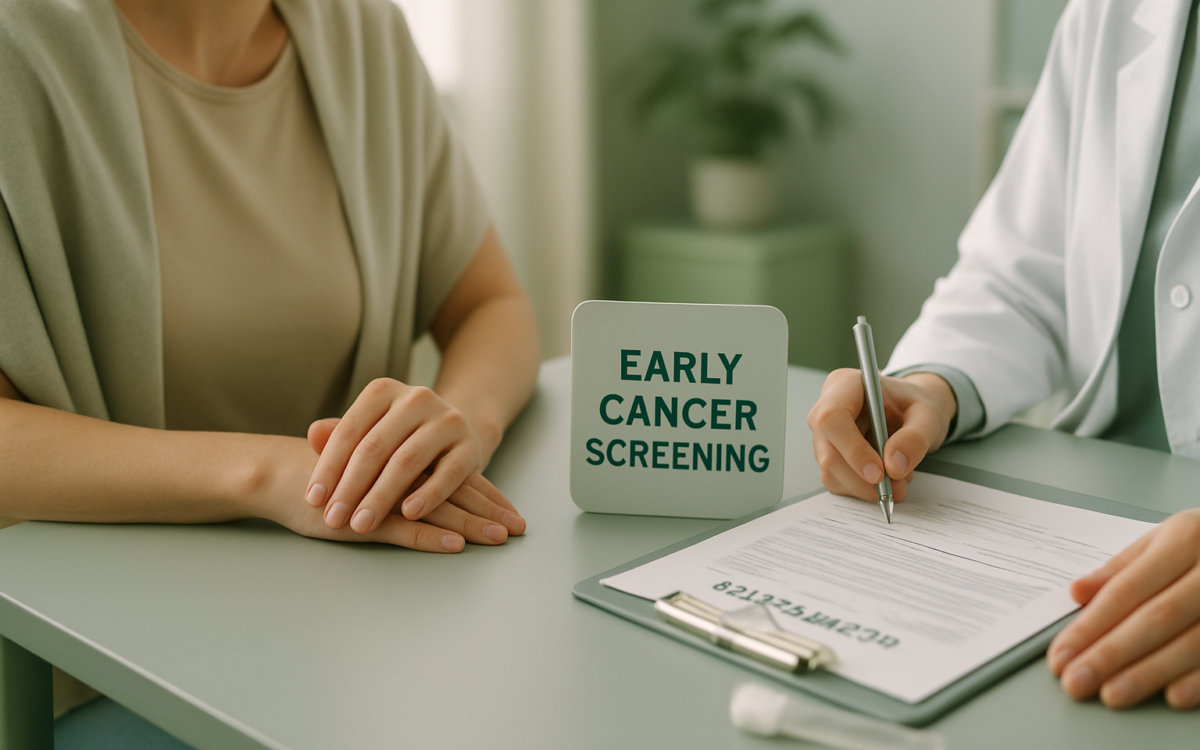
Cancer is a word that often invokes fear. Yet, early detection through screening can make a profound difference in treating the disease. Understanding the importance of early cancer screening can empower you and your loved ones to take proactive steps towards health and wellness.
What is Early Cancer Screening?
Early cancer screening involves tests and exams used to detect cancer before any symptoms appear. The goal is to identify cancers at an early stage, when most are easier to treat and the chances of survival are higher. Various tests are available depending on the type of cancer.
Why is Screening Important?
Screening can lead to earlier detection, which can be crucial for effective treatment. Many cancers, such as breast, cervical, and colorectal, are often treatable when found early. According to the CDC, timely screening can decrease cancer-related deaths significantly. Early detection not only improves the odds of successful treatment but can also reduce the extent of treatment needed.
Common Types of Early Cancer Screening Tests
There are several screening tests available for various types of cancers:
- Breast Cancer: Mammograms are X-ray exams that can detect tumors in their early stages.
- Cervical Cancer: Pap tests can detect abnormal cells in the cervix. The HPV test looks for the virus that can cause cervical cancer.
- Colorectal Cancer: This includes colonoscopies and stool tests that can find precancerous polyps and cancer.
- Lung Cancer: Low-dose CT scans are used for screening high-risk individuals, like heavy smokers.
- Prostate Cancer: Blood tests measuring PSA (prostate-specific antigen) can help detect prostate cancer early.
When Should You Start Screening?
Recommendations for when to start screening can vary based on factors such as age, gender, family history, and personal risk factors. Here are some general guidelines:
- Breast Cancer: Women should begin annual mammograms at age 40, or earlier if they are at higher risk.
- Cervical Cancer: Screening should begin at age 21, with Pap tests conducted every three years.
- Colorectal Cancer: Begin screening at age 45, or earlier for those with a family history.
- Lung Cancer: Annual screenings are recommended for adults aged 50-80 who smoke.
- Prostate Cancer: Men should discuss screening at age 50, or 45 for those at higher risk.
Understanding Risk Factors
Some individuals may have higher chances of developing cancer due to risk factors like:
- A family history of cancer.
- Age and gender.
- Genetic mutations.
- Exposure to certain chemicals or radiation.
- Lifestyle factors such as smoking, poor diet, or lack of physical activity.
If you fall into a higher risk category, ask your healthcare provider when you should start screening tests.
Getting Screened Internationally
For individuals considering their options for early cancer screening, travel to other countries might provide valuable alternatives. Countries like Turkey offer advanced healthcare facilities and cancer treatment options. Many people seek treatment in Turkey due to its combination of technology, affordability, and high-quality care. It’s essential to research and consult healthcare professionals, regardless of the location of services.
When to See a Doctor
If you notice any unusual changes in your body, such as unexplained weight loss, persistent pain, or unusual lumps, it’s essential to consult a healthcare provider. Each individual is unique, and what’s normal for one person may not be for another. Regular check-ups and open discussions about health concerns can help maximize early detection.
Conclusion
Early cancer screening is a vital part of maintaining health and enhancing the potential for successful treatment. While it may seem daunting, understanding your options allows you to take the necessary steps toward proactive health management. Remember, the earlier you detect cancer, the better your chances of beating it. Don’t hesitate to engage in conversations with your healthcare provider about the screening that’s right for you.
