
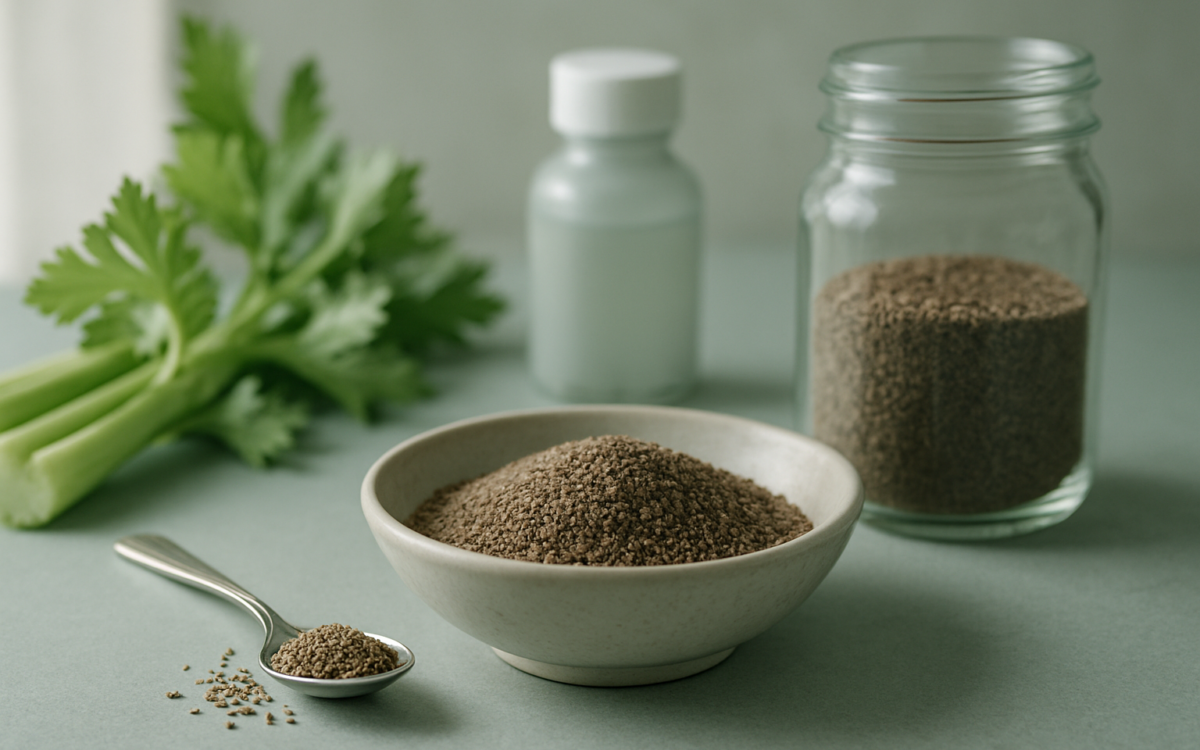
Often overlooked in the spice cupboard, celery seed brings more to the table than just flavor. With a long history of use in both cooking and traditional medicine, these tiny seeds are packed with nutrients, antioxidants, and potential health benefits. Whether you are an avid cook or someone searching for natural remedies, understanding celery seed can open up new avenues for better health.
What is celery seed?
Celery seed comes from the wild celery plant, scientifically known as Apium graveolens. It has been used for centuries as a culinary spice and herbal remedy. The seeds are small, oval, and brownish-gray in color, delivering a strong, earthy flavor reminiscent of the vegetable itself. They are often used in salads, soups, seasonings, and pickling mixtures.
Nutritional profile of celery seed
Despite their small size, celery seeds are a nutrient powerhouse. They contain vitamins A, C, and K, as well as essential minerals like calcium, potassium, magnesium, and iron. One teaspoon of celery seed (approximately 2-3 grams) contributes various nutrients to your diet:
- Magnesium: Important for muscle function and energy production.
- Calcium: Essential for bone health and muscle contractions.
- Iron: Vital for transporting oxygen in the blood.
- Antioxidants: Help combat oxidative stress in the body.
These nutrients contribute to overall health, making celery seed a beneficial addition to your diet.
Health benefits of celery seed
Celery seed is attributed with several potential health benefits, which have made it a popular herbal remedy:
1. Anti-inflammatory properties
Chronic inflammation is linked to numerous health issues, including heart disease, diabetes, and arthritis. Celery seeds contain flavonoid compounds, which have anti-inflammatory effects that may help reduce swelling and pain in the body. Research indicates that these compounds can contribute to improved joint health and overall well-being (NIH).
2. Digestive health
Celery seed has been traditionally used to support digestion. The seeds act as a diuretic, promoting urine production, which may help flush out toxins and prevent water retention. Additionally, they could aid in alleviating digestive issues like bloating and gas. However, more research is needed to fully understand these effects.
3. Blood pressure support
One of the most well-known benefits of celery seed is its potential ability to lower blood pressure. Some studies suggest that the seeds may help relax blood vessels, improving blood flow and potentially lowering hypertension. While celery seed might not replace your medications, it can be a helpful dietary addition for heart health (Mayo Clinic).
4. Antioxidant effects
Antioxidants play a crucial role in protecting your cells from damage caused by free radicals. Celery seeds contain powerful antioxidants that contribute to overall health, possibly reducing the risk of chronic diseases and supporting a healthy aging process.
How to use celery seed in your diet
Integrating celery seed into your meals is simple. Here are some tips:
- Spice blends: Add celery seed to your favorite spice blends, such as barbecue rubs or seasoning mixes.
- Salads: Sprinkle them on salads for a crunchy texture and unique flavor.
- Soups and stews: Incorporate celery seed into soups or stews for added depth of flavor.
- Pickling: Use celery seed in pickling recipes to enhance the taste.
- Infusions: Brew celery seed in tea for a warm, soothing beverage.
When using celery seed, start with small amounts, as its flavor can be quite potent. It is often advisable to combine it with other herbs and spices for a balanced flavor profile.
Possible side effects and considerations
While celery seed may offer various benefits, it’s important to be aware of potential side effects. Some individuals might experience allergic reactions, especially those sensitive to carrots, birch pollen, or fennel. Additionally, celery seed can act as a strong diuretic, which may lead to increased urination and possible dehydration if consumed excessively.
Before introducing any new supplement or significant dietary change, consult your healthcare provider, especially if you are pregnant, nursing, or taking medication.
When to see a doctor
If you experience an allergic reaction (such as rash, itching, or swelling) after consuming celery seed, or if you notice unexpected changes in your health upon introducing it to your diet, it’s essential to seek medical advice. Additionally, if you are planning to use celery seed for medicinal purposes, consulting with a healthcare professional can provide guidance tailored to your needs.
Conclusion
Celery seed is a versatile and nutrient-dense addition to any kitchen. From its potential health benefits to its distinct flavor, incorporating celery seeds into your meals can contribute to a healthier lifestyle. Remember to use it mindfully and consult with a healthcare professional if you have any concerns. By exploring the culinary and health worlds of celery seed, you might find a new favorite ingredient.
