
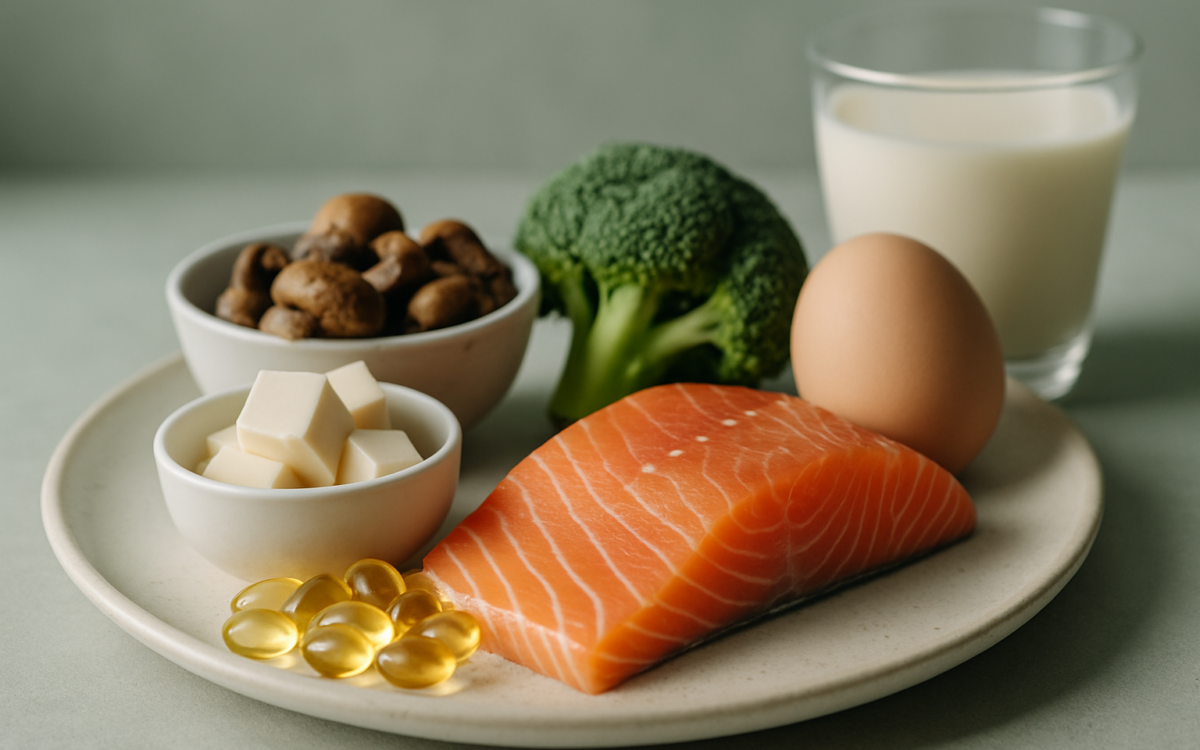
Vitamin D is a vital nutrient that plays an essential role in maintaining bone health, supporting the immune system, and promoting overall wellness. While your body can produce vitamin D when exposed to sunlight, many people struggle to get enough from sunlight alone, particularly those who live in colder climates or spend a lot of time indoors. That’s where food comes in. In this article, we’ll explore some delicious options to boost your vitamin D intake through your diet.
The Importance of Vitamin D
Vitamin D is often referred to as the “sunshine vitamin” because your body synthesizes it when your skin is exposed to sunlight. This vitamin helps regulate calcium and phosphorus in your body, which are key to maintaining bone density and health. Insufficient levels of vitamin D may lead to health issues such as osteoporosis and an increased risk of fractures. It’s also been linked to various other health conditions, including certain autoimmune disorders and mood disorders. For a deeper look at vitamin D and its benefits, refer to the National Institutes of Health.
Fatty Fish: Nature’s Powerhouses
Fatty fish are among the richest natural sources of vitamin D. Incorporating these into your diet can be both tasty and beneficial. Here are a few top contenders:
- Salmon: Whether you prefer it grilled, baked, or smoked, salmon is an excellent source of vitamin D, with a 3.5-ounce serving containing about 570 IU of vitamin D.
- Mackerel: Similar to salmon, mackerel is rich in omega-3 fatty acids and vitamin D, offering around 400 IU per serving.
- Sardines: These small fish are not only affordable but also packed with nutrients, providing approximately 270 IU of vitamin D per 3.5-ounce serving.
In addition to being rich in vitamin D, fatty fish are a great source of protein and healthy fats, making them a well-rounded choice for a meal.
Eggs: A Wholesome Choice
Eggs, particularly the yolks, are another food that contains vitamin D. One large egg yolk contains about 37 IU of vitamin D. While this is less than what you would find in fatty fish, eggs are a versatile and delicious source of nutrients. Not only can you hard-boil, scramble, or poach them, but they can also be included in a variety of dishes, from breakfast burritos to salads, providing a boost of energy and nutrition to your day.
Fortified Foods: A Convenient Option
Many products are fortified with vitamin D to help people achieve their daily intake without requiring extensive meal prep. Common fortified foods include:
- Milk: Most cow’s milk sold in stores is fortified with vitamin D, providing around 100 IU per cup.
- Orange Juice: Fortified orange juice can also be an excellent source, offering about 140 IU per cup.
- Cereals: Some breakfast cereals are enriched with vitamin D, often containing between 40 to 200 IU per serving.
Fortified foods can easily be included in your breakfast routine, providing an efficient way to boost your vitamin D intake.
Mushrooms: A Plant-Based Source
If you’re looking for plant-based sources of vitamin D, mushrooms are the standout option. When exposed to ultraviolet (UV) light, certain types of mushrooms can produce vitamin D. For example, one serving of UV-exposed maitake mushrooms can provide up to 1,000 IU of vitamin D! Shiitake mushrooms, another popular type, contain about 120 IU per cup. Whether adding them to soups, stir-fries, or as a side dish, mushrooms are an easy addition to many meals.
Nutrition Tips for Maximizing Vitamin D Intake
To ensure you’re reaping the full benefits of vitamin D, consider these tips:
- Combine Sources: Eat a variety of the foods listed above to meet your vitamin D needs and enjoy a diverse diet.
- Consult with a Professional: If you suspect you might be deficient, consult a healthcare provider who may recommend testing or dietary changes.
- Get Sunlight Safely: When possible, aim for safe sun exposure by spending some time outdoors. Even a short daily walk can help boost your vitamin D levels.
When to See a Doctor
If you experience symptoms of vitamin D deficiency—such as fatigue, bone pain, or muscle weakness—it may be time to consult your doctor. They can help determine your vitamin D levels and suggest appropriate dietary changes or supplements as needed.
In conclusion, incorporating vitamin D-rich foods into your diet doesn’t have to be a struggle. With a variety of delicious options available—from fatty fish to fortified foods and mushrooms—it’s easier than ever to support your health. Remember to enjoy these foods as part of a balanced diet and consult your healthcare provider if you have concerns about your vitamin D levels.
