
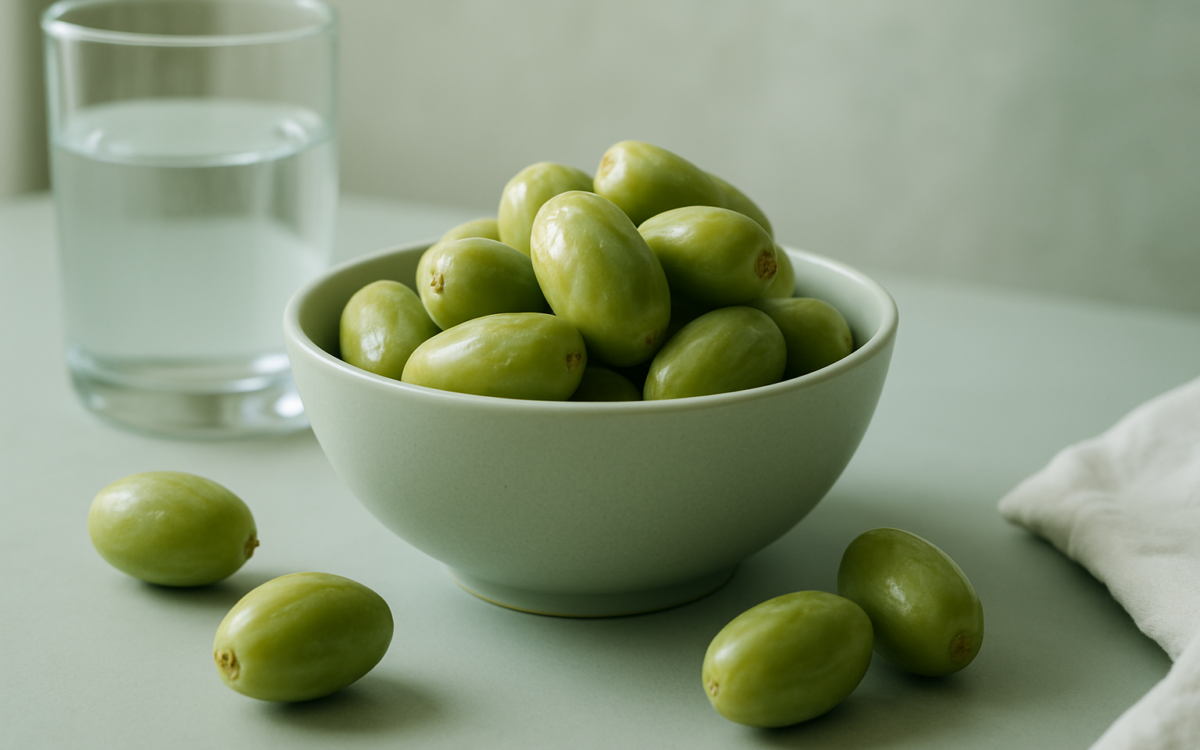
Fresh dates are more than just a sweet treat; they’re a nutritious food packed with health benefits and culinary versatility. Often overshadowed by their dried counterparts, fresh dates can play a delightful role in various diets. In this article, we will explore their nutritional profile, health benefits, ways to incorporate them into your meals, and tips for choosing and storing them.
What Are Fresh Dates?
Fresh dates, primarily sourced from the date palm tree (Phoenix dactylifera), come in several varieties, each differing in flavor, texture, and nutrition. Unlike dried dates, which lose moisture and become denser in sugars, fresh dates have a softer, more succulent texture and a milder sweetness. Common varieties include Medjool, Deglet Noor, and Barhi, each boasting unique tastes and appearances.
Nutritional Profile of Fresh Dates
Fresh dates are a treasure trove of nutrients. They are rich in carbohydrates, particularly natural sugars like fructose and glucose, which provide a quick energy boost. A typical serving of fresh dates (about 2-3 medium-sized dates) contains:
- Calories: Approximately 120
- Carbohydrates: 32g
- Dietary Fiber: 3g
- Protein: 1g
- Fat: Minimal
Additionally, fresh dates are packed with essential vitamins and minerals, including:
- Potassium: Important for heart health and blood pressure regulation.
- Magnesium: Supports muscle and nerve function.
- Vitamin B6: Vital for brain health and metabolism.
- Antioxidants: Combat oxidative stress and inflammation.
The high fiber content aids digestion and helps maintain a healthy gut, making fresh dates an excellent addition to your diet.
Health Benefits of Fresh Dates
Incorporating fresh dates into your diet can provide several health benefits:
1. Energy Boost
The natural sugars in fresh dates offer a quick burst of energy, making them an ideal snack for pre- or post-workout. Their low glycemic index prevents sudden spikes in blood sugar levels, providing a sustained energy source.
2. Heart Health
Rich in potassium and dietary fiber, fresh dates can contribute to cardiovascular health. Potassium helps regulate blood pressure, while fiber aids in cholesterol management, potentially lowering the risk of heart disease. Studies suggest that increasing fiber intake can reduce cardiovascular risk factors (NIH).
3. Digestive Health
The dietary fiber in fresh dates supports healthy digestion by promoting regular bowel movements and preventing constipation. Fiber also feeds beneficial gut bacteria, enhancing overall gut health.
4. Antioxidant Properties
Fresh dates are loaded with antioxidants, including flavonoids, carotenoids, and phenolic acid. These compounds help fight inflammation and oxidative stress, which are linked to various chronic diseases. Consuming a diet rich in antioxidants can boost your immune system and lower the risk of conditions such as cancer and heart disease.
Incorporating Fresh Dates into Your Diet
Fresh dates can enhance your meals and snacks in various delightful ways. Here are some tasty ideas:
- Snacking: Enjoy fresh dates on their own as a healthy snack. Pair them with nuts or cheese for a balanced treat.
- Salads: Slice fresh dates and add them to salads for a touch of sweetness. They pair wonderfully with greens, nuts, and a light dressing.
- Smoothies: Blend fresh dates into smoothies for natural sweetness. Combine them with spinach, yogurt, and your favorite fruits.
- Baked Goods: Use fresh dates in baking. They can serve as a natural sweetener in muffins, energy bars, or granola.
- Stuffed Delights: Stuff fresh dates with goat cheese, nuts, or almond butter for a delicious appetizer.
Be creative and experiment with fresh dates in different dishes to discover what you enjoy most!
Choosing and Storing Fresh Dates
When selecting fresh dates, look for those that are plump and unblemished. They should have a slightly shiny appearance and feel soft to the touch. Fresh dates tend to have a short shelf life compared to dried varieties, so refrigeration is recommended to extend their freshness.
Store fresh dates in an airtight container in the refrigerator to keep them from drying out. If you have leftover dates, you can freeze them for longer preservation. When ready to use, you can thaw them overnight in the refrigerator or at room temperature for a few hours.
When to See a Doctor
If you have any allergies or dietary restrictions, particularly regarding high-fiber foods, consult your doctor or a registered dietitian before making significant changes to your diet. If you notice any adverse reactions after consuming fresh dates, such as digestive discomfort or allergic symptoms, seek medical advice promptly.
In conclusion, fresh dates are a nutritious and flavorful addition to your diet. Packed with essential nutrients and health benefits, they can enhance your meals while satisfying your sweet tooth. Whether you enjoy them as a snack or incorporate them into your favorite recipes, fresh dates can contribute to a healthier lifestyle. So why not pick some up next time you’re at the store? You might just discover a new favorite food!
