
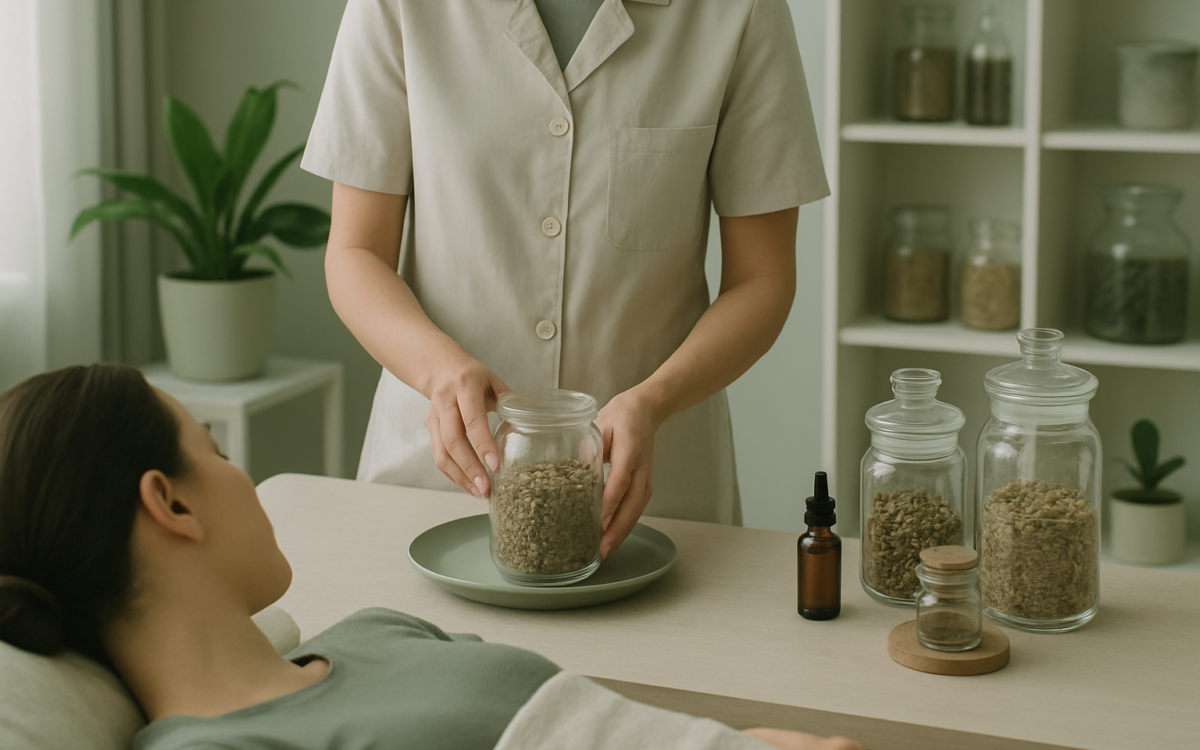
In today’s fast-paced world, many people are searching for alternative ways to enhance their health and well-being. Herbal wellness centers have emerged as popular destinations for those seeking natural remedies and holistic practices. These centers focus on using plant-based treatments to address various physical and emotional issues, promoting a balanced lifestyle and a deeper connection with nature. Whether you are curious or looking for relief from specific conditions, understanding what herbal wellness centers offer can help you decide if this approach suits you.
What is an herbal wellness center?
Herbal wellness centers are establishments dedicated to the use of herbs and natural treatments to support health. Unlike conventional medical clinics, these centers often emphasize holistic care, considering the mind, body, and spirit in the healing process. Services may include herbal consultations, personalized wellness plans, workshops, and classes on the benefits of various herbs and how to incorporate them into daily life.
The benefits of herbal treatments
Many individuals report positive experiences with herbal treatments. Here are some benefits of these natural remedies:
- Natural ingredients: Herbs are often less processed than medications, providing a more natural approach to healing.
- Fewer side effects: Many herbal remedies can have fewer side effects compared to pharmaceutical drugs, although this can depend on individual responses.
- Holistic approach: Herbal wellness centers often emphasize healing the whole person, which can lead to better overall well-being.
- Customized care: Treatment plans are often tailored to individual needs, taking into account personal health history and specific concerns.
Common herbal treatments and their uses
Herbal wellness centers utilize a wide range of herbs, each with unique properties and benefits. Some common treatments include:
- Chamomile: Known for its calming properties, chamomile is often used to alleviate anxiety and promote restful sleep.
- Echinacea: Frequently used to support the immune system, this herb is popular for those looking to ward off colds and flu.
- Ginger: Commonly used to relieve nausea and digestive issues, ginger can also help with pain relief.
- Turmeric: Renowned for its anti-inflammatory properties, turmeric may be beneficial for joint health and overall wellness.
For more information on various herbs and their benefits, you can explore the National Center for Complementary and Integrative Health.
Finding the right herbal wellness center
When looking for an herbal wellness center, consider the following tips:
- Research qualifications: Ensure that practitioners have appropriate training in herbal medicine or complementary health practices.
- Read reviews: Look for testimonials or reviews from former clients to get a sense of their experiences.
- Take a tour: If possible, visit the center to assess its environment and see if it aligns with your comfort level.
- Ask about practices: Understand what services they offer, such as consultations, workshops, and types of treatments available.
- Trust your instincts: Choose a center where you feel comfortable and respected as a client.
The role of consultation in herbal wellness
Consultation is a crucial aspect of herbal wellness. During an initial visit, practitioners typically assess your health history, current conditions, and lifestyle factors. This personalized approach helps in creating a tailored treatment plan that best addresses your needs. Expect to discuss your symptoms, dietary habits, and any medications you may be taking. This information is vital, as certain herbs may interact with prescription medications or underlying health issues.
Effective communication during your consultation can lead to better health outcomes. Always feel free to ask questions about the herbs being recommended and their potential effects. Remaining informed can help you make the best decisions regarding your health.
Considerations and precautions
While herbal remedies can be beneficial, it’s important to proceed with caution. Here are some considerations:
- Consult your doctor: Always inform your physician about any herbal treatments you plan to try, especially if you are on medication.
- Understand individual responses: Herbs can affect individuals differently; what works for one person may not work for another.
- Research quality: Not all herbal products are created equal. Look for reputable brands and products that have been tested for purity and efficacy.
For further information, consider reviewing guidelines from reputable organizations such as the World Health Organization.
When to see a doctor
While exploring herbal treatments can be a beneficial addition to your wellness routine, it’s important to recognize when to seek professional medical help. If you experience any persistent symptoms, significant changes in health, or adverse reactions to herbal remedies, consult a healthcare provider. Additionally, always discuss any alternative treatments you’re considering with your doctor, especially if you have preexisting health conditions.
Taking charge of your health involves exploring all available options. Herbal wellness centers can provide unique insights and treatments, but it’s essential to approach them with an informed perspective. By understanding the benefits and limitations of herbal medicine, you can integrate it safely and effectively into your journey toward better health.
