
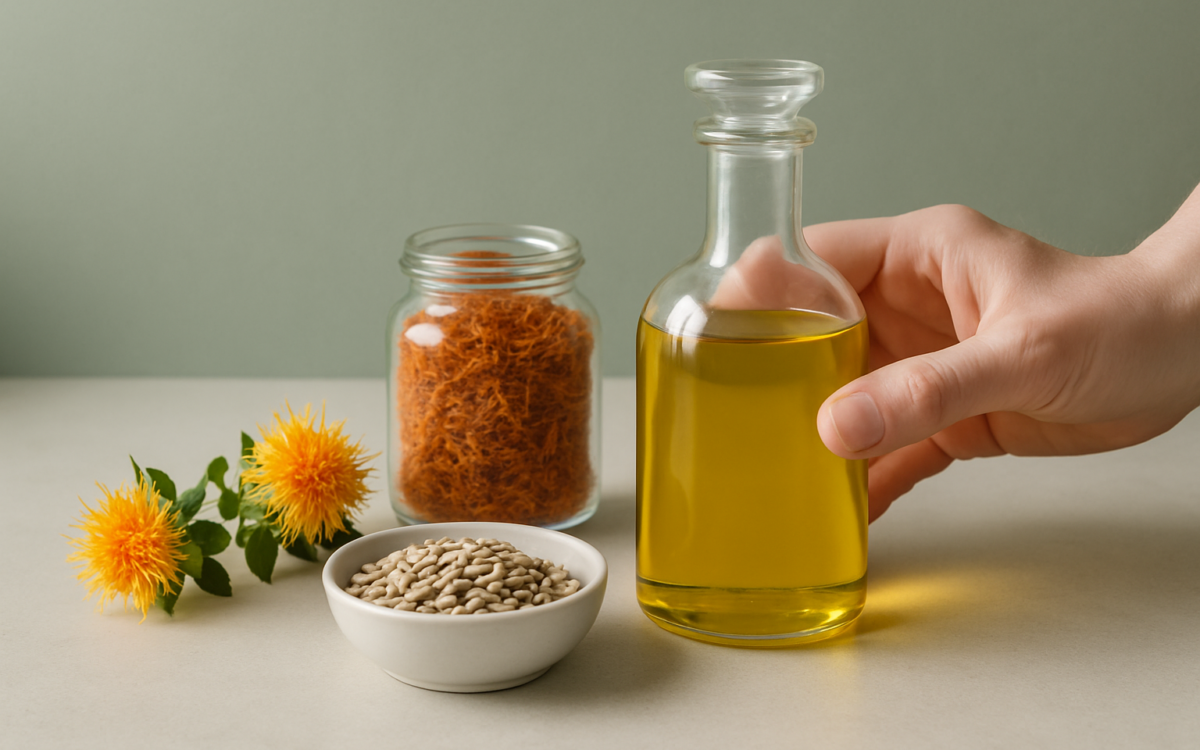
High oleic safflower oil is gaining traction as a healthier cooking oil and ingredient in many diets. With a unique composition rich in monounsaturated fats, this oil not only enhances flavor but also offers various health benefits. Understanding what high oleic safflower oil is and how to incorporate it into your meals can help you make informed choices about your nutrition.
What is High Oleic Safflower Oil?
Safflower oil is derived from the seeds of the safflower plant (Carthamus tinctorius). This oil comes in two different types: conventional safflower oil and high oleic safflower oil. The latter contains a higher percentage of oleic acid, a monounsaturated fatty acid known for its heart health benefits.
High oleic safflower oil typically contains over 75% oleic acid, while conventional versions may be lower in this beneficial fat. This unique profile makes high oleic safflower oil a great choice for cooking and health.
Health Benefits of High Oleic Safflower Oil
The health benefits of incorporating high oleic safflower oil into your diet are numerous. Here are some ways it can positively impact your well-being:
- Heart Health: Rich in monounsaturated fats, high oleic safflower oil can help lower bad cholesterol levels (LDL) while raising good cholesterol levels (HDL). This balance contributes to better cardiovascular health.
- Anti-Inflammatory Properties: The oleic acid present in this oil has been found to exhibit anti-inflammatory effects. Consuming such oils may help reduce markers associated with inflammation in the body.
- Weight Management: Some studies suggest that incorporating monounsaturated fats like those found in high oleic safflower oil may promote feelings of fullness, potentially aiding in weight management.
- Skin Health: High oleic safflower oil is sometimes used topically for skin care. Its emollient properties help keep the skin moisturized and may aid in the healing of certain skin conditions.
Using High Oleic Safflower Oil in Cooking
High oleic safflower oil has a high smoke point of around 450°F (232°C), making it ideal for various cooking methods. Here are a few suggestions for incorporating it into your meals:
- Sautéing and Stir-frying: Use high oleic safflower oil for sautéing vegetables or stir-frying proteins. Its light flavor complements many dishes.
- Salad Dressings: Combine it with vinegar and your choice of seasonings for a healthy salad dressing.
- Baking: Substitute high oleic safflower oil for butter or other oils in your favorite baking recipes.
- Roasting: Drizzle it over vegetables before roasting for added flavor and nutrition.
Availability and Storage
You can find high oleic safflower oil in many grocery stores, health food stores, and online. When purchasing, look for chemical-free, cold-pressed options to ensure maximum health benefits. Store it in a cool, dark place to keep it fresh, as exposure to light and heat can degrade its quality.
International Perspectives on High Oleic Safflower Oil
Across the globe, high oleic safflower oil is becoming increasingly popular not just for its culinary uses, but also for its health advantages. Many countries recognize its potential in promoting heart health and wellness. If you’re exploring international treatment options or nutritional therapies, facilities offering international patient services often discuss the incorporation of various healthy oils in their dietary recommendations.
Potential Drawbacks and Considerations
While high oleic safflower oil is a healthier option, it’s important to use it in moderation, just like any other oil. Here are a few considerations:
- Caloric Density: Oils, even healthy ones, are calorie-dense; thus, using too much can lead to excess calorie intake.
- Omega Fatty Acid Balance: While high oleic safflower oil is rich in monounsaturated fats, it contains very little omega-3 and omega-6 fatty acids. It’s important to ensure a balanced intake of all fatty acids through a diverse diet.
When to See a Doctor
While incorporating high oleic safflower oil into your diet can have many benefits, it’s essential to consult with a healthcare professional if you have specific health conditions or dietary restrictions. They can offer personalized advice based on your individual health needs.
Conclusion
High oleic safflower oil is more than just a cooking oil; it’s a versatile ingredient that offers a range of health benefits and culinary possibilities. By understanding its characteristics and uses, you can enhance your meals and promote better health. Remember to enjoy it as part of a balanced diet to reap the full rewards.
