
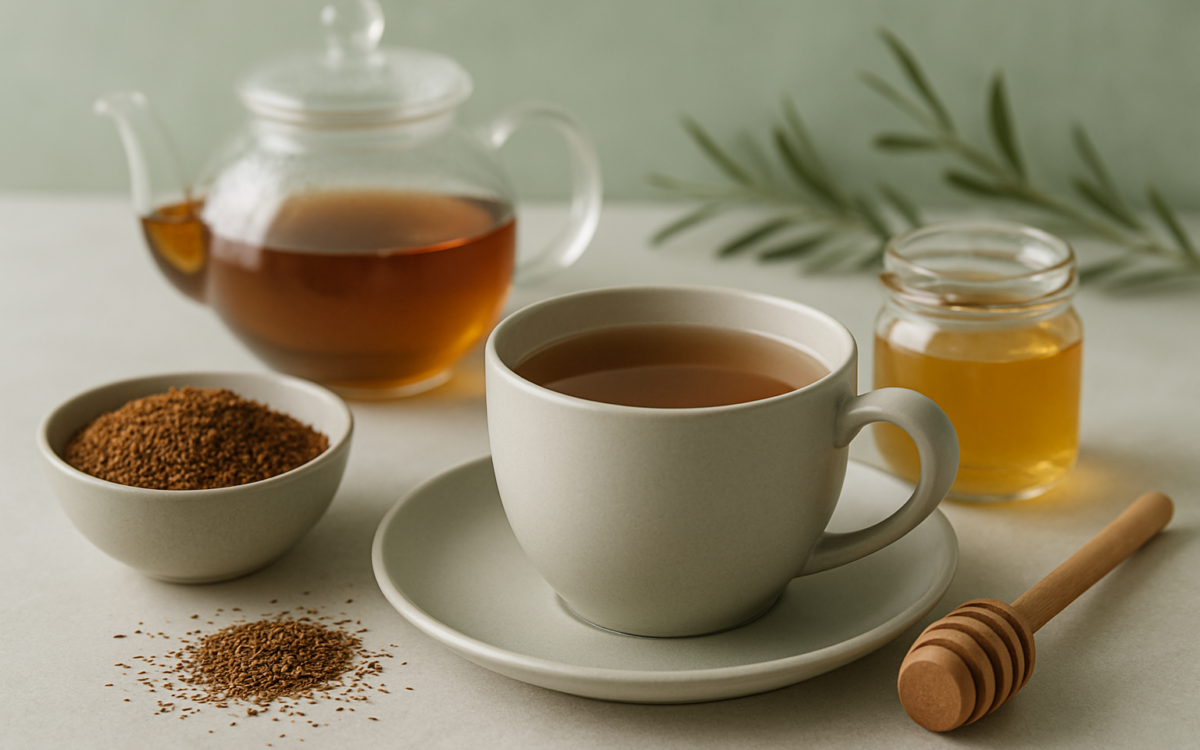
Imagine sipping a warm cup of tea that not only tastes delightful but also brings a range of health benefits! Honeybush tea, with its naturally sweet flavor and caffeine-free nature, is gaining popularity among health enthusiasts and tea lovers alike. This herbal infusion originates from South Africa, where its leaves have been utilized for centuries not just for their flavor but for their therapeutic properties. Let’s dive into the world of honeybush tea and explore why it deserves a place in your pantry.
What is Honeybush Tea?
Honeybush tea is made from the leaves and stems of the Cyclopia plant, a shrub native to South Africa. Its name refers to the sweet, honey-like aroma of the flowers that bloom on these plants during the peak of summer. Unlike traditional teas derived from the Camellia sinensis plant, such as green or black tea, honeybush tea is naturally caffeine-free, making it an excellent choice for anyone looking to reduce their caffeine intake.
Health Benefits of Honeybush Tea
Many people are drawn to honeybush tea for its unique flavor, but it also comes packed with potential health benefits:
- Rich in Antioxidants: Honeybush tea contains a variety of antioxidants like flavonoids and phenolic compounds, which can help combat oxidative stress and reduce inflammation in the body. These antioxidants play a crucial role in protecting cells from damage caused by free radicals, which are linked to various chronic diseases (NIH).
- Supports Digestive Health: This herbal tea may aid digestion as it has been traditionally used to alleviate symptoms like bloating and indigestion. By promoting a smooth digestive process, honeybush tea can contribute to your overall gut health.
- Potentially Helps with Stress Relief: The comforting nature of warm beverages like honeybush tea can promote relaxation and help alleviate tension. While more research is needed on its specific effects on stress, enjoying a cup can certainly create a serene moment in your day.
- May Support Immune Function: Due to its antioxidant properties, honeybush tea may positively influence the immune system. Antioxidants can help strengthen your body’s natural defenses against illnesses.
How to Brew the Perfect Cup
Brewing honeybush tea is straightforward and can be done similarly to other herbal teas. Here’s a simple guideline to get the best flavor:
- Use one teaspoon of dried honeybush leaves per cup of water.
- Boil water and let it cool slightly; the ideal temperature for honeybush tea is around 190°F (88°C).
- Pour the hot water over the honeybush leaves and let it steep for about 5 to 7 minutes.
- Strain the leaves, and enjoy your honeybush tea! You can drink it plain, or sweeten it with natural honey or add a splash of milk if you prefer.
Potential Side Effects and Precautions
While honeybush tea is generally safe for most people, there are a few precautionary points to keep in mind:
- Allergies: Some individuals might have allergies to plants in the legume family that could cause reactions when consuming honeybush tea.
- Possible Interactions: If you are taking medication, particularly for hormonal disorders or hormone-sensitive conditions, consult your healthcare provider before adding honeybush tea to your routine, as some components may interact with medications.
Honeybush Tea in Global Health Perspectives
Interest in herbal teas knows no borders. Honeybush tea, once a hidden gem exclusive to its native South Africa, has captured attention worldwide due to its numerous benefits. As global health trends move toward natural remedies, this tea can serve as both a flavorful beverage and a potential candidate for infusion in various wellness protocols. For individuals seeking international treatment perspectives, resources like Acibadem International highlight the growing interest in herbal therapies, including honeybush tea.
When to See a Doctor
If you experience any allergic reactions after consuming honeybush tea or if you have pre-existing health conditions that may be affected by its consumption, consult a healthcare professional. It’s always wise to talk with your doctor when introducing new dietary elements, especially if you have chronic health concerns or are pregnant.
In conclusion, honeybush tea is more than a delicious drink; it’s a herbal treasure trove that holds potential health benefits. Whether you’re seeking a new beverage to enjoy or exploring natural approaches to wellness, consider reaching for a steaming cup of honeybush tea. As always, it’s best to approach all aspects of health with care and mindfulness, consulting with your healthcare provider when needed.
