
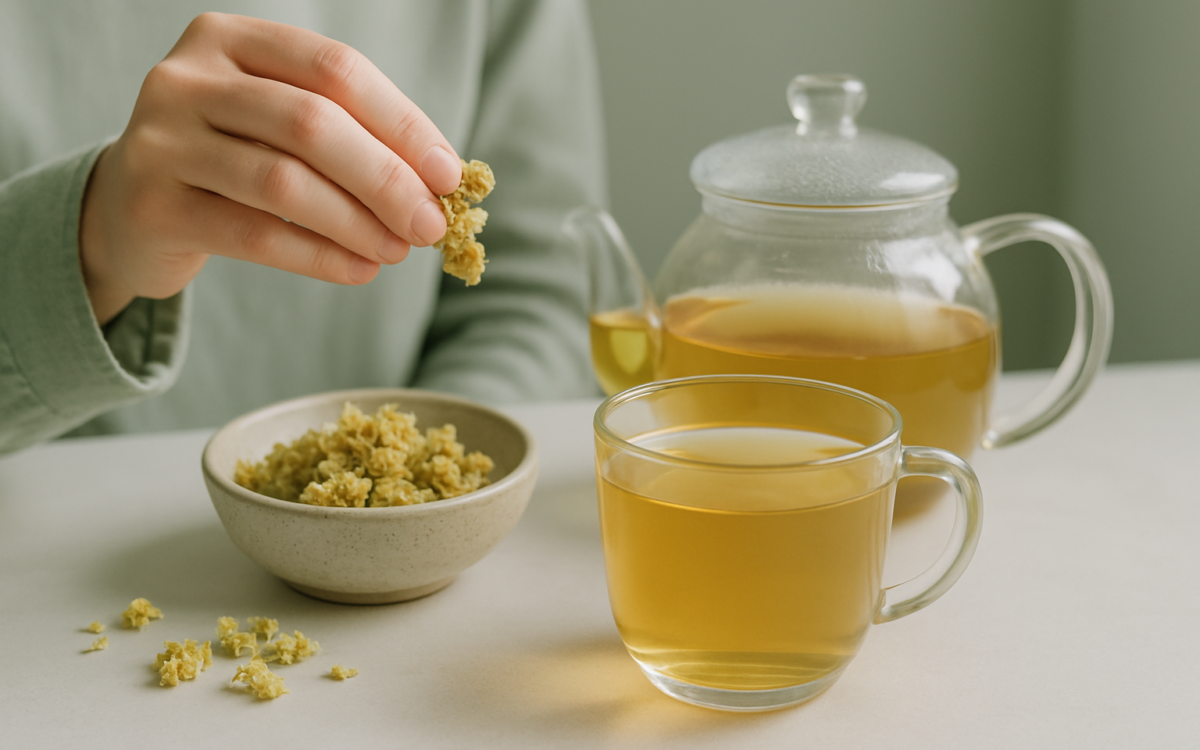
Mullein tea, made from the leaves and flowers of the mullein plant, has been praised for its medicinal properties for centuries. Originating in Europe and parts of Asia, mullein has carved a niche in herbal medicine. Its soothing qualities and rich nutrient profile have made it a staple for those seeking natural remedies. But what exactly makes mullein tea noteworthy? Let’s delve deeper into its benefits, preparation, and considerations.
What is Mullein?
Mullein, scientifically known as Verbascum thapsus, is a tall plant characterized by its fuzzy leaves and bright yellow flowers. Historically, it has been used for various medicinal purposes, particularly in folk medicine. Traditionally, herbalists have employed its leaves for respiratory issues, skin ailments, and even as a diuretic. The tea is typically brewed from the dried leaves or flowers of the plant and is known for its mild flavor.
Health Benefits of Mullein Tea
Though scientific research on mullein tea’s effects is still developing, several potential benefits are worth mentioning:
Respiratory Support
Mullein tea is renowned for its potential to soothe respiratory issues. It is often used by those suffering from coughs, colds, and bronchial conditions. Some studies suggest that compounds in mullein may help reduce irritation in the airways and promote mucus clearance, making it a popular choice during flu season or whenever respiratory distress strikes. You can learn more about its potential benefits on the NIH website.
Anti-Inflammatory Properties
The leaves of the mullein plant contain antioxidants that may contribute to its anti-inflammatory effects. Drinking mullein tea could potentially lend relief to inflammation-related symptoms, though more research is needed to confirm these claims conclusively.
Digestive Health
Some people find that mullein tea can aid in digestion and alleviate mild gastrointestinal discomfort. The soothing properties of the tea may help calm the digestive tract, making it useful for occasional bloating or upset stomach.
How to Prepare Mullein Tea
Making mullein tea is straightforward and can be done in a few simple steps:
- Gather Ingredients: You will need dried mullein leaves or flowers (available at health food stores or online) and boiling water.
- Steep: Add one to two teaspoons of dried mullein to a cup of boiling water, and steep for about 10-15 minutes.
- Strain: Use a fine mesh strainer or cheesecloth to remove the plant material, as the tiny hairs on the leaves can irritate the throat.
- Enjoy: Add honey or lemon if desired, and sip slowly.
Considerations and Side Effects
While mullein tea is deemed safe for most people, it is essential to keep a few considerations in mind:
Possible Allergies
Some individuals may experience allergic reactions to mullein. If you have sensitivities to plants in the snapdragon family, which includes mullein, consult a healthcare provider before trying the tea.
Interactions with Medications
If you’re on medication, it’s vital to consult your doctor before adding mullein tea to your regimen. Although mullein is natural, it can still interact with certain medications (especially those that affect the lungs or immune system).
Pregnancy and Breastfeeding
There isn’t enough research to guarantee the safety of mullein tea during pregnancy or while breastfeeding. It’s always best to err on the side of caution and discuss its usage with a healthcare professional.
When to See a Doctor
If you experience any concerning symptoms, such as persistent cough, difficulty breathing, or allergic reactions after consuming mullein tea, it’s crucial to seek medical attention. And if you’re considering herbal remedies as part of your health routine, consulting your doctor is always a wise choice to ensure it’s safe for you.
Conclusion
Mullein tea offers a delightful journey into the world of herbal remedies. Its potential benefits for respiratory health and digestive comfort make it a popular choice among herbal enthusiasts. Whether you enjoy it for its taste or medicinal properties, always remember to consult with a healthcare provider, especially if you have existing health conditions or are taking medications. As you explore this herbal infusion, you might just find a comforting addition to your wellness routine.
