
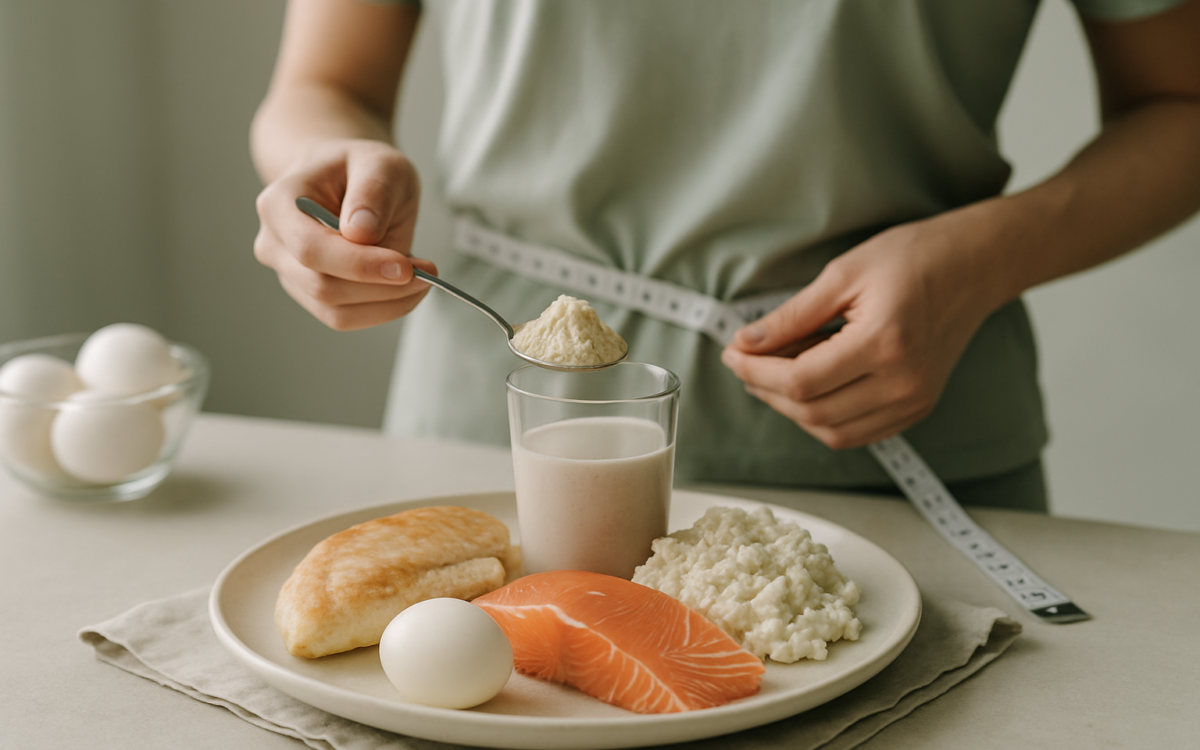
When embarking on a weight loss journey, one of the most common questions is, “How much protein should I be consuming?” Protein plays a crucial role in our diet, helping to build and repair tissues, and it can be especially beneficial in a weight loss plan. This article will guide you through the importance of protein, how much you need to support weight loss, and how to incorporate it into your daily meals.
Why Protein Matters for Weight Loss
Protein is vital for our health and well-being. It not only helps maintain muscle mass but also supports many bodily functions. When losing weight, the body can lose both fat and muscle. A high protein intake can minimize muscle loss, ensuring that more of your weight loss comes from fat rather than muscle tissue.
Additionally, protein is highly satiating, meaning it helps you feel full for longer. This can reduce overall calorie intake, making it easier to stick to a weight loss plan. According to a study published in the American Journal of Clinical Nutrition, higher protein diets can increase feelings of fullness, leading to less hunger and lower calorie consumption.
How Much Protein Do I Need?
The amount of protein you need can vary based on factors such as age, sex, physical activity level, and overall health. However, a general guideline for those aiming to lose weight is to consume between 1.2 to 2.0 grams of protein per kilogram of body weight. For example, if you weigh 70 kg (about 154 lbs), your protein intake could range from 84 to 140 grams per day.
For those who exercise regularly or engage in strength training, aiming for the higher end of this range is often recommended, as maintaining muscle mass is crucial during weight loss.
Determining Your Protein Needs
To tailor your protein intake to your specific needs, consider the following factors:
- Activity Level: More active individuals, especially those involved in resistance training, may need more protein to support muscle recovery and growth.
- Weight Loss Goals: Those looking to lose weight rapidly might benefit from a higher protein intake to counteract muscle loss.
- Personal Health: Certain health conditions might affect protein needs. Always consult with a healthcare provider for personalized advice.
Sources of Protein
Incorporating protein into your diet can be delicious and varied. Here are some great sources of protein:
- Animal Sources: This includes lean meats (chicken, turkey), fish, eggs, and dairy products (Greek yogurt, cottage cheese).
- Plant Sources: For vegans and vegetarians, excellent sources include legumes (lentils, chickpeas), tofu, tempeh, quinoa, nuts, and seeds.
Combining different protein sources can also be beneficial. For example, pairing rice and beans not only provides a complete protein but also adds essential amino acids that may be lacking in individual sources.
Timing Protein Intake
How and when you consume protein can also impact weight loss. Distributing your protein intake evenly throughout the day can maximize its benefits. Aim for protein-rich foods at each meal and snack. This can help maintain steady energy levels and promote muscle repair.
As a guideline, try to include at least 20-30 grams of protein in each meal. For example:
- Breakfast: A smoothie with Greek yogurt and spinach
- Lunch: A salad with grilled chicken or beans
- Dinner: Baked salmon with quinoa
Exercise and Protein
Physical activity is an essential component of any weight loss program. Exercise, especially strength training, necessitates adequate protein intake for recovery and muscle growth. Research suggests that consuming protein shortly after exercising can enhance muscle repair and growth. Aim for a protein-rich snack or meal within two hours post-workout.
For those engaged in regular cardiovascular or strength training, increasing your protein intake may help improve performance and recovery.
Potential Risks of High Protein Diets
While protein is important for weight loss and overall health, it’s also essential to strike a balance. Consuming excessively high amounts of protein can lead to health issues, such as kidney strain, dehydration, and nutrient deficiencies if it means skimping on other food groups.
An ideal weight loss plan includes a variety of nutrients. Balance your protein intake with healthy fats and carbohydrates, and ensure you’re getting enough vitamins and minerals from fruits, vegetables, and whole grains.
When to See a Doctor
If you’re considering a significant dietary change or if you have underlying health conditions, it’s a good idea to consult with a healthcare provider or a registered dietitian. They can help you determine the right amount of protein for your specific needs and ensure you’re meeting all your nutritional requirements.
In conclusion, understanding how much protein to include in your diet can significantly impact your weight loss journey. By focusing on high-quality sources and spreading your intake throughout the day, you can enjoy the numerous benefits protein has to offer while achieving your weight management goals.
