
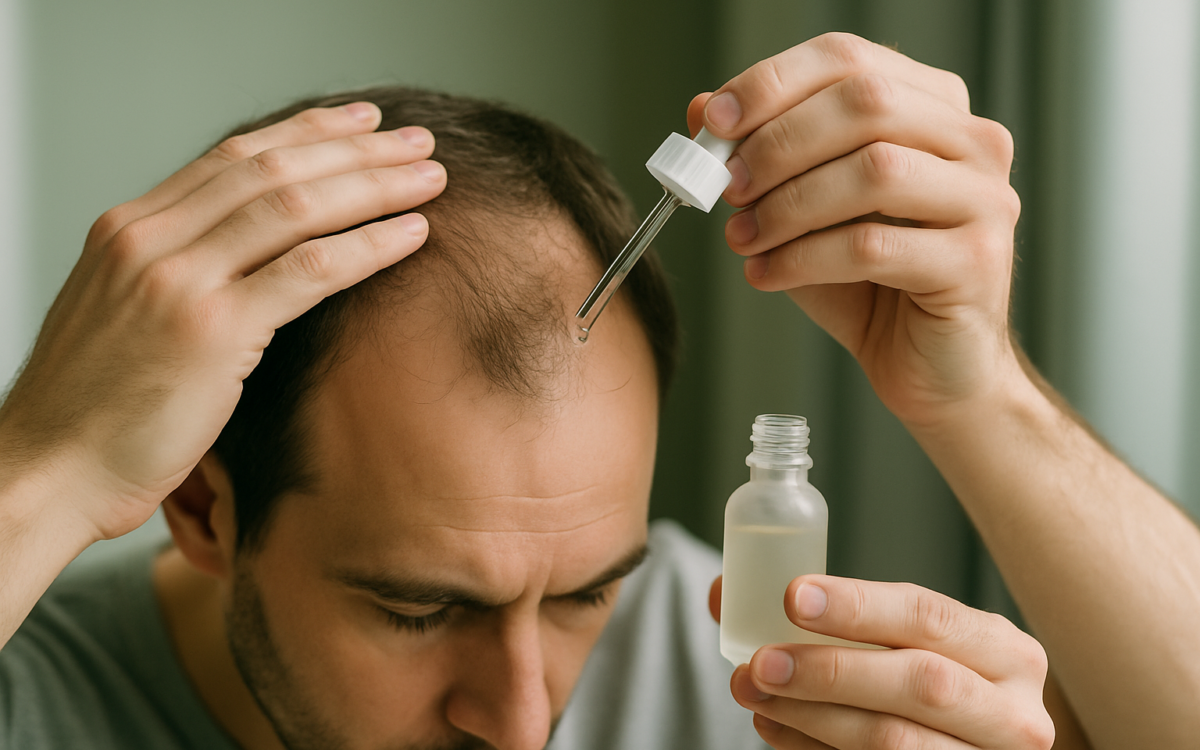
Hair loss can be a challenging experience for many men, impacting not just appearance but also self-esteem. Understanding the causes and exploring available solutions can empower those affected. In this article, we’ll dive into various treatment options, the science behind them, and when it’s crucial to consult a healthcare professional.
Understanding Hair Loss in Men
Hair loss in men often presents itself as male pattern baldness, a condition known scientifically as androgenetic alopecia. This type of hair loss can begin as early as the late teens or early twenties. The process can progress gradually and lead to thinning hair or bald patches. According to the National Institutes of Health, this condition affects a significant majority of men, with varying degrees of severity over the years.
Common Causes of Hair Loss
A variety of factors can contribute to hair loss, including:
- Genetics: Family history plays a crucial role in determining who may experience hair loss and when.
- Hormonal Changes: Dihydrotestosterone (DHT), a byproduct of testosterone, is a significant factor in male pattern baldness.
- Medical Conditions: Conditions such as thyroid disease, iron deficiency, or autoimmune disorders can impact hair growth.
- Medications: Certain drugs for cancer, depression, and other conditions may lead to hair loss.
- Stress: Physical or emotional stress can trigger temporary hair loss.
Effective Hair Loss Treatments for Men
While no treatment guarantees complete restoration of hair, there are several options that have shown effectiveness:
Minoxidil
Minoxidil, commonly known as Rogaine, is an FDA-approved topical treatment for hair loss. It works by stimulating hair follicles and can promote hair regrowth in some men. Available over-the-counter, it is generally applied twice daily to the affected areas of the scalp. Although results can take several months, many users report positive outcomes when used consistently.
Finasteride
Finasteride, known as Propecia, is another FDA-approved treatment for male pattern baldness. This oral medication works by inhibiting the enzyme that converts testosterone to DHT, reducing the hormone’s effects on hair follicles. Studies have shown significant hair regrowth in many men using finasteride, but it may take several months to notice results. Possible side effects should be discussed with a healthcare provider.
Natural Remedies and Lifestyle Changes
In addition to medical treatments, many individuals explore natural remedies and lifestyle changes to support hair health:
Diet and Nutrition
A balanced diet can play a role in hair health. Vitamins and minerals such as biotin, zinc, and iron are vital for hair growth. Incorporating sources of protein, such as fish, eggs, nuts, and legumes, may also benefit hair health.
Scalp Care
Good scalp hygiene is essential for maintaining a healthy environment for hair growth. Gentle cleansing and avoiding harsh hair products can prevent further damage. Massaging the scalp may also increase blood flow, potentially benefiting hair follicles.
Advanced Options: Hair Transplant Surgery
For men looking for more permanent solutions, hair transplant surgery may be an option. During this procedure, hair follicles from areas with denser hair are relocated to balding areas. While results can be impressive, surgery involves a longer recovery time and financial investment. Discussing options with a qualified dermatologist or surgeon is essential for understanding the potential risks and benefits.
Combining Treatments
Many men find that a combination of treatments yields the best results. For instance, using minoxidil and finasteride together may enhance hair restoration effects. Before starting any regimen, discussing all options with a healthcare provider can help tailor the approach to individual needs and circumstances.
When to See a Doctor
If you notice significant hair loss, especially if it occurs suddenly or in patches, consulting a healthcare professional is recommended. It’s important to rule out any underlying medical conditions and discuss the most suitable treatment options for your needs.
Conclusion
Hair loss can be a distressing condition for many men, but widespread options are available to help manage and treat it. From over-the-counter solutions like minoxidil to prescription medications like finasteride and even surgical interventions, understanding the options can empower individuals facing hair loss. Consulting a healthcare provider can help determine the best course of action tailored to individual needs, allowing you to face the future with confidence.
