
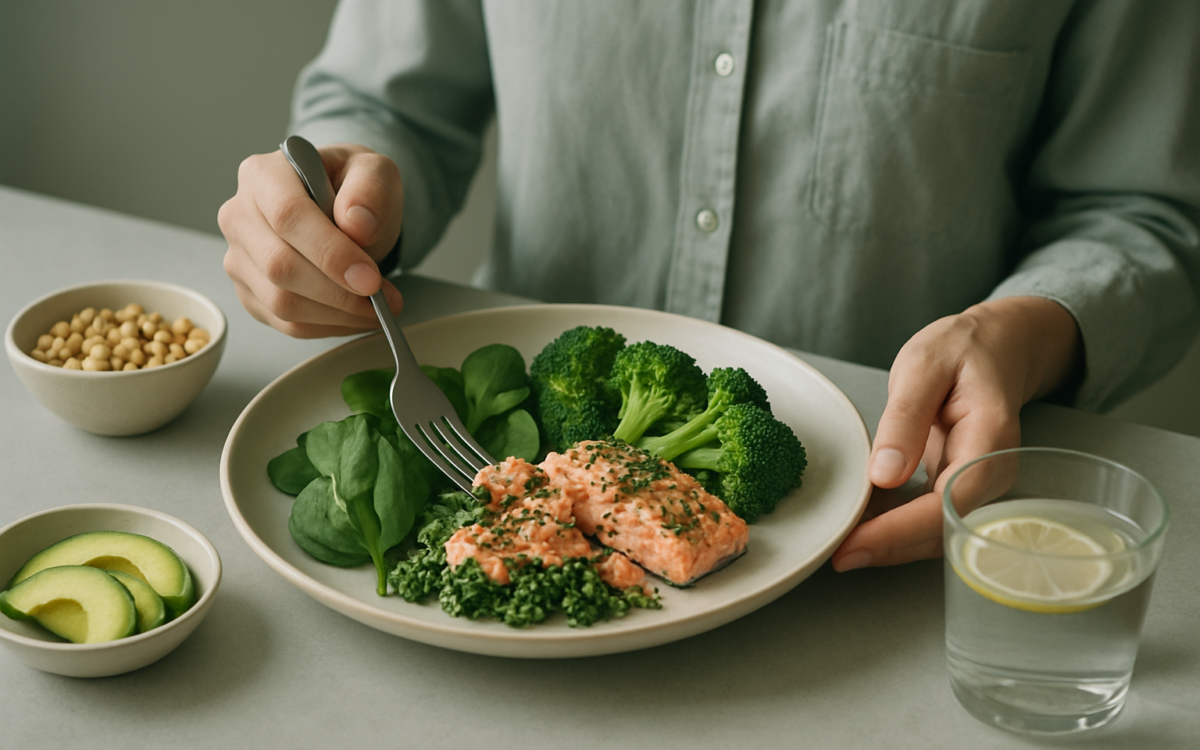
In today’s fast-paced world, many of us are looking for ways to boost our health and prevent diseases. One powerful approach is through an anti-inflammatory diet. This eating style focuses on foods that reduce inflammation in the body, which is linked to various chronic illnesses like heart disease, diabetes, and arthritis. By incorporating anti-inflammatory foods into our meals, we can create a balanced and enjoyable way of eating that supports overall health.
What Is Inflammation?
Inflammation is the body’s natural response to injury or infection. When you get a cut or catch a cold, your immune system activates inflammation to help heal the area or fight off pathogens. However, when inflammation becomes chronic—meaning it lasts for months or even years—it can lead to health problems. Chronic inflammation can be caused by various factors, including poor diet, stress, and lack of exercise.
Benefits of an Anti-Inflammatory Diet
Following an anti-inflammatory diet offers several benefits, including:
- Reduced risk of chronic diseases: Studies indicate that a diet rich in anti-inflammatory foods can lower the risk of conditions like heart disease and cancer (see NIH).
- Improved digestion: Many anti-inflammatory foods are high in fiber, promoting better gut health.
- Better mood and mental health: Some research suggests that diet can affect mood and cognitive function, potentially reducing the risk of depression (see Mayo Clinic).
Key Components of an Anti-Inflammatory Diet
An anti-inflammatory diet is not overly restrictive, allowing for flexibility and variety. Here are some crucial components:
Fruits and Vegetables
Colorful fruits and vegetables are packed with antioxidants, vitamins, and minerals that help combat inflammation. Berries, leafy greens, and citrus fruits are particularly effective.
Healthy Fats
Incorporate healthy fats from sources like olive oil, avocados, and nuts. Omega-3 fatty acids found in fish, flaxseeds, and walnuts are especially beneficial for reducing inflammation.
Whole Grains
Opt for whole grains instead of refined grains. Brown rice, quinoa, and whole grain bread are excellent choices that provide fiber and nutrients.
Spices and Herbs
Many spices, such as turmeric, ginger, and garlic, possess anti-inflammatory properties. They can add flavor and health benefits to your meals.
Lean Proteins
Choose lean proteins, including chicken, turkey, beans, and legumes. These are lower in saturated fats compared to red meats.
Sample Meal Plan
Creating an anti-inflammatory meal plan can be simple and tasty. Here’s a one-day example:
- Breakfast: Oatmeal topped with fresh berries, walnuts, and a drizzle of honey.
- Lunch: Quinoa salad with mixed greens, cherry tomatoes, cucumbers, chickpeas, and olive oil dressing.
- Snack: A handful of almonds or an apple with almond butter.
- Dinner: Grilled salmon served with steamed broccoli and sweet potatoes.
- Dessert: Chia pudding with coconut milk and fresh mango.
This sample meal plan illustrates how easy and enjoyable it is to eat in a way that supports your health.
Considerations for International Diets
People across the globe have different culinary traditions that can be both delicious and anti-inflammatory. For example, Mediterranean cuisine, rich in fruits, vegetables, whole grains, and healthy fats, is known for its health benefits. Local restaurants often focus on fresh ingredients and traditional recipes that can be very supportive of an anti-inflammatory lifestyle. If you’re considering international options, it may be helpful to contact international patient services to explore health-focused meal plans that incorporate traditional dishes from various cultures.
Maintaining Balance
While an anti-inflammatory diet emphasizes healthy foods, it’s essential to enjoy your meals. Balance is key; occasional indulgences are perfectly okay. This flexible approach helps sustain long-term changes without feelings of deprivation.
When to See a Doctor
If you experience ongoing symptoms of inflammation, such as joint pain, skin issues, or digestive problems, it may be time to consult a doctor. They can help determine if an underlying condition needs to be addressed or if you could benefit from further dietary guidance.
In summary, the anti-inflammatory diet is an excellent way to promote your overall health while enjoying a diverse array of flavorful foods. By focusing on nutrient-rich, whole foods, you can make a positive impact on your life and well-being.
