
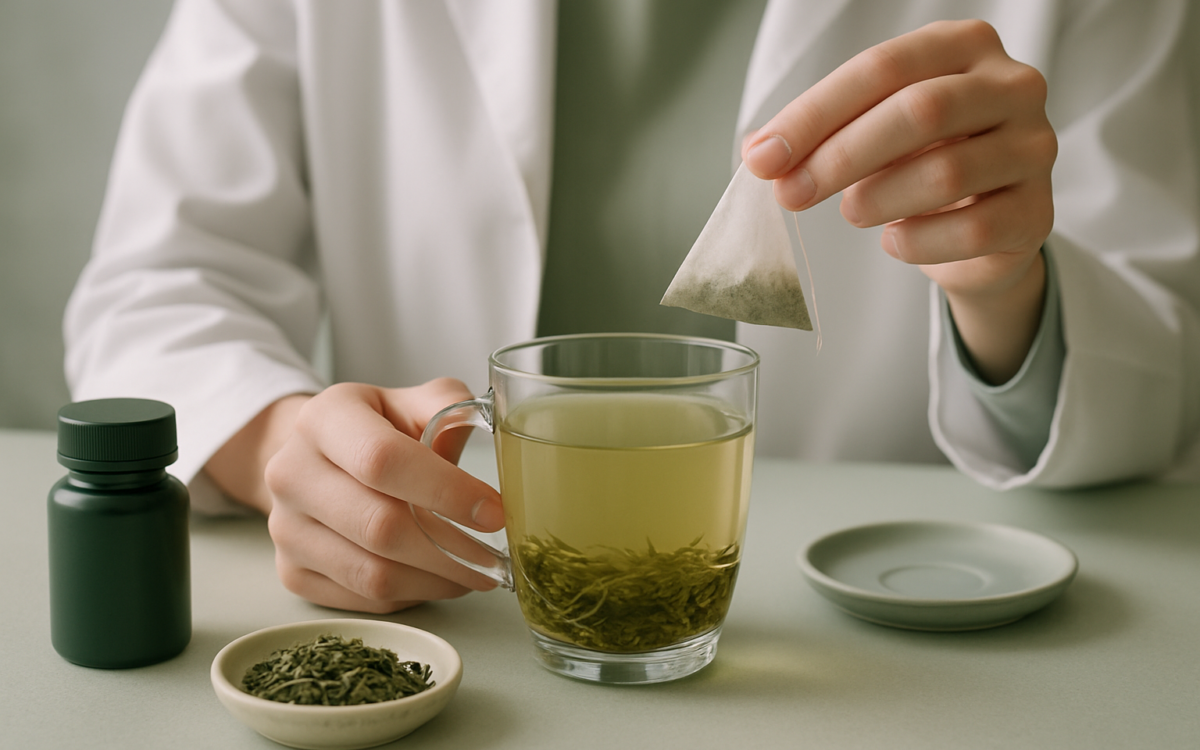
Te verde, or green tea, has been enjoyed for centuries, especially in Asian cultures. It’s known not just for its distinct flavor but also for a variety of health benefits. As modern science delves deeper into the properties of te verde, it becomes clear why this drink is more than just a refreshing beverage.
What Is Te Verde?
Te verde comes from the leaves of the Camellia sinensis plant. Unlike black tea, which undergoes more processing (and oxidation), te verde leaves are quickly dried or steamed after they are harvested, preserving their green color and natural compounds. This minimal processing helps maintain a higher concentration of beneficial antioxidants.
The Role of Antioxidants
One of the main reasons te verde is celebrated is its high levels of antioxidants, particularly catechins. These compounds have been linked to various health benefits, including:
- Reducing inflammation
- Protecting cells from damage
- Supporting heart health
Research suggests that the catechins found in te verde can help lower levels of LDL cholesterol and improve overall heart function. For more information on antioxidants, you can visit the National Institutes of Health.
Weight Management and Metabolism
Many people turn to te verde as a natural aid for weight management. Preliminary studies indicate that the catechins in te verde may help boost metabolism and enhance fat burning, especially during exercise. However, the effects can vary from person to person. Incorporating te verde alongside a balanced diet and regular physical activity may provide additional support for weight goals.
Potential Benefits for Mental Health
Te verde contains L-theanine, an amino acid that helps promote relaxation without causing drowsiness. Studies have shown that L-theanine may increase the activity of neurotransmitters, such as serotonin and dopamine, which can enhance mood and cognitive function. The presence of caffeine in te verde can also contribute to improved alertness, making it a beneficial beverage for those looking to boost their focus.
Hydration and Daily Routine
Despite being caffeinated, te verde can be a part of your daily hydration routine. Moderate caffeine intake is generally safe for most individuals and can help stimulate the mind. The hydration benefits combined with the antioxidants make te verde a healthy alternative to sugary drinks. As a warm beverage, it can also be comforting and soothing, especially during colder months.
Tips for Incorporating Te Verde into Your Lifestyle
If you’re looking to add te verde to your diet, here are some simple tips:
- Start with brewed tea: Begin with brewed te verde instead of packaged forms, which may have added sweeteners or flavorings.
- Try it in smoothies: Adding cooled te verde to smoothies can enhance flavor and increase antioxidant intake.
- Mix it up: Experiment with different brewing times and temperatures to find your preferred taste.
- Mind your portions: Enjoying a few cups daily is usually safe, but moderation is key when it comes to caffeine.
When to See a Doctor
If you have health concerns or take medications, it’s essential to speak with a healthcare professional before making significant changes to your diet, particularly in relation to caffeine or herbal supplements. Some individuals may experience side effects or interactions with medications, including those for heart conditions, anxiety, or blood pressure.
Conclusion
Te verde is more than a simple beverage; it’s a flavorful drink filled with potential health benefits. From its antioxidant properties to its role in weight management and mental health, there’s a lot to appreciate about this ancient tea. Consider incorporating te verde into your wellness routine, and enjoy the refreshing benefits it brings to your day.
