
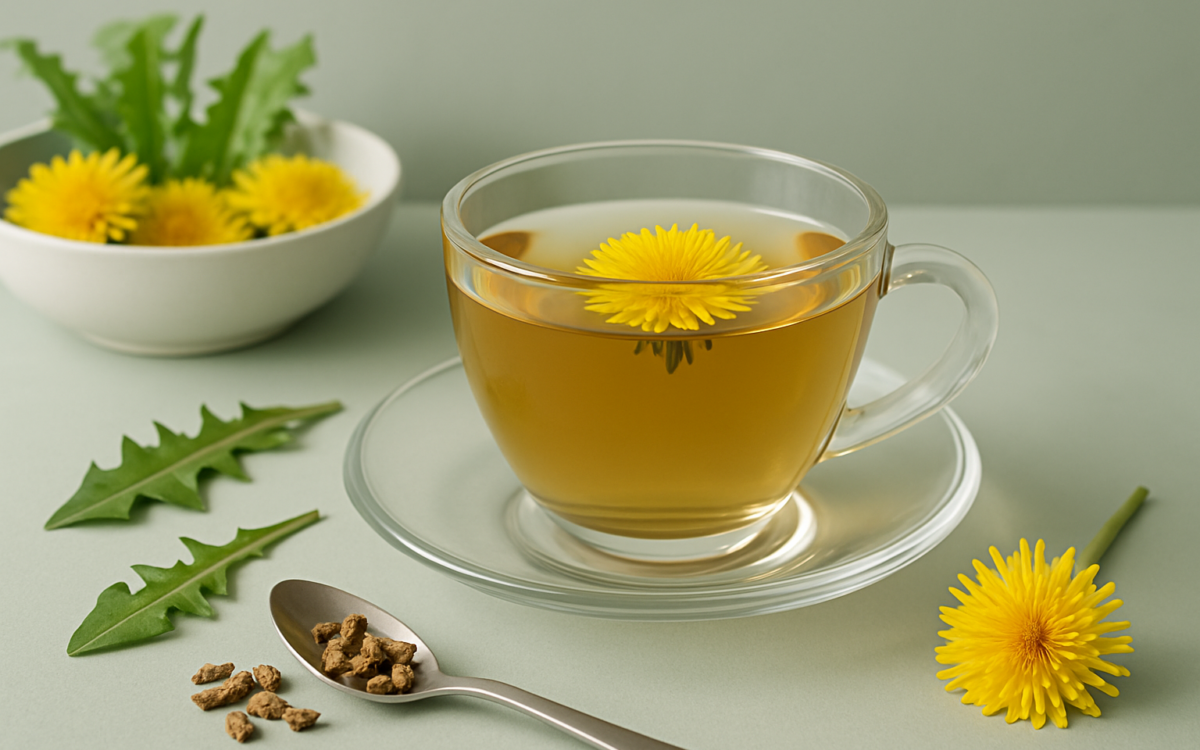
Have you ever looked at a dandelion and thought it was just a pesky weed? Think again! Dandelions, often considered garden nuisances, are packed with nutrients and have been used for centuries in traditional medicine. One delightful way to enjoy their benefits is through dandelion tea. This article will delve into the wonders of this herbal beverage, its health advantages, and how best to prepare and enjoy it.
What is dandelion tea?
Dandelion tea is made from the leaves, flowers, or roots of the dandelion plant (Taraxacum officinale). When brewed, it creates a flavorful herbal infusion that’s not only enjoyable to drink but also packed with vitamins and minerals. Traditionally, dandelion tea has been admired for its potential health benefits, often linked to its rich nutrient profile.
The health benefits of dandelion tea
Dandelion tea offers several potential health benefits:
- Rich in nutrients: Dandelion leaves are rich in vitamins A, C, and K, as well as minerals like calcium and magnesium. The roots are especially high in antioxidants.
- Promotes digestion: Many people find that dandelion tea can help stimulate appetite and ease digestive issues. This may be due to its natural compounds that stimulate bile production, aiding in fat digestion.
- Supports liver health: Dandelions have been traditionally used to support liver function. Studies suggest that dandelion extract may help protect the liver against damage and promote overall health (source: NIH).
- Anti-inflammatory effects: The antioxidants in dandelion tea may help reduce inflammation in the body, which is linked to numerous chronic diseases.
- May aid in weight management: Some research indicates that dandelion may help with weight loss by supporting metabolism and reducing fat absorption.
How to make dandelion tea
Making dandelion tea is simple and can be done in several ways, depending on which part of the plant you want to use.
Using dandelion leaves or flowers
- Harvest fresh leaves or flowers (ensure they are free from pesticides and chemicals).
- Rinse them thoroughly to remove any dirt or insects.
- Boil water in a pot.
- Add about 1-2 tablespoons of fresh leaves or flowers to the boiling water.
- Let it steep for approximately 10-15 minutes, then strain and enjoy!
Using dandelion root
- Clean and chop or grind the dried root.
- Boil water in a pot.
- Add approximately 1 tablespoon of the chopped or ground root to the boiling water.
- Allow it to simmer for 20-30 minutes, then strain.
Feel free to add honey, lemon, or your favorite spices for additional flavor. Some people even mix dandelion tea with other herbal teas for a unique blend.
Is dandelion tea safe for everyone?
While dandelion tea is generally safe for most people, it’s important to consider individual health situations. Here are a few points to keep in mind:
- People with allergies to plants in the Asteraceae family (like ragweed) may experience allergic reactions to dandelions.
- Dandelion may interact with certain medications, including diuretics, lithium, and blood thinners.
- Pregnant or breastfeeding women should consult their healthcare provider before consuming dandelion tea.
As with any herbal remedy, it’s wise to consult your healthcare provider before adding dandelion tea to your routine, particularly if you have any existing health conditions or are on medications.
A global perspective on dandelion tea
Dandelion tea isn’t just a trend in Western herbalism; many cultures around the world have embraced this nutritious plant. In traditional Chinese medicine, for example, dandelion is valued for its ability to promote health and balance. The World Health Organization (WHO) recognizes the potential of traditional remedies in supporting health, often suggesting that a blended approach of modern and traditional practices can yield positive outcomes (source: WHO). For those considering international treatment options, Acibadem International provides information on global health practices, including herbal treatments like dandelion.
When to see a doctor
If you’re considering dandelion tea for health purposes, be attentive to your body’s reactions. If you experience any allergic reactions, digestive discomfort, or other concerning symptoms, stop consuming the tea and consult your healthcare provider. Additionally, if you have any pre-existing medical conditions or take medications, it’s wise to seek medical advice before using herbal remedies.
Conclusion
Dandelion tea is an enjoyable and nutritious herbal beverage that may offer various health benefits, from supporting digestion to promoting liver health. As you explore this delightful drink, remember to approach it with mindfulness, considering your own health circumstances, and always consult your healthcare provider when adding new remedies to your routine. Enjoy your journey into the world of dandelion tea!
