
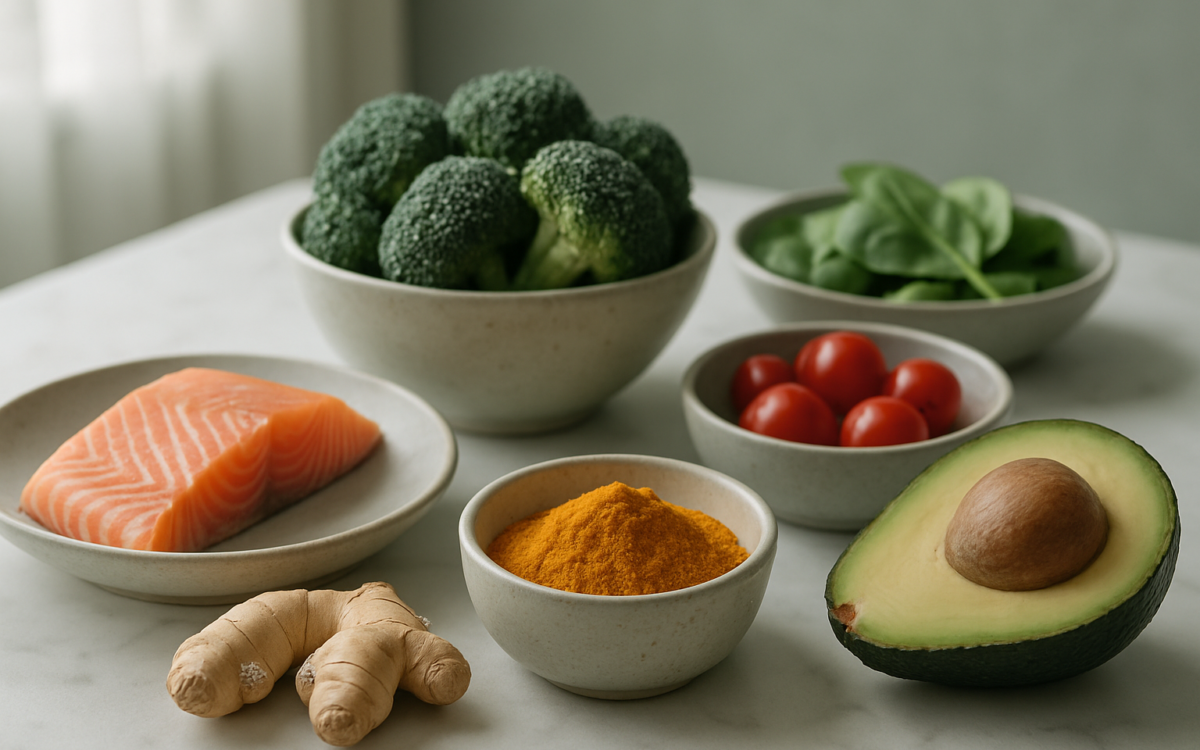
Inflammation is a natural response of the body to injury or infection, but when it becomes chronic, it can lead to various health issues, including heart disease, diabetes, and arthritis. Fortunately, the foods we eat can influence our body’s inflammatory processes. In this article, we’ll explore some of the best foods known to help fight inflammation, helping you make informed choices for a healthier life.
Leafy Greens: Powerful Anti-Inflammatory Allies
Leafy greens, such as spinach, kale, and Swiss chard, are packed with vitamins, minerals, and antioxidants that contribute to their anti-inflammatory properties. These vegetables are high in vitamin K, which plays a role in regulating inflammation in the body. Additionally, they contain numerous phytonutrients that help protect cells from damage.
Berries: Nature’s Sweet Treat
Berries, especially blueberries, strawberries, and blackberries, are not just delicious; they also have potent anti-inflammatory effects. Rich in antioxidants like anthocyanins, berries can reduce markers of inflammation and oxidative stress in the body. Studies suggest that consuming a variety of berries regularly can improve heart health and lower the risk of chronic diseases.
Fatty Fish: Omega-3 for the Win
Fatty fish, such as salmon, mackerel, and sardines, are excellent sources of omega-3 fatty acids. These healthy fats have been shown to significantly reduce inflammation and may lower the risk of inflammatory diseases. The American Heart Association recommends eating fish at least twice a week to reap these benefits. In addition to omega-3s, these fish are also rich in vitamin D, which is essential for overall health.
Nuts and Seeds: Small but Mighty
Nuts and seeds are nutrient-dense foods that are also known for their anti-inflammatory properties. Almonds, walnuts, flaxseeds, and chia seeds are particularly beneficial. They provide healthy fats, fiber, and protein while being low in carbohydrates. Nuts and seeds are also rich in antioxidants and omega-3 fatty acids, which can help reduce inflammation throughout the body.
Spices and Herbs: Flavorful Defenders
Many spices and herbs have anti-inflammatory compounds, making them excellent additions to any diet. Turmeric, for example, contains curcumin, a potent antioxidant that can help reduce inflammation. Ginger is another spice that has shown promise in combating inflammatory conditions. Incorporating these ingredients into your cooking can enhance flavor and contribute to better health.
Whole Grains: A Heart-Healthy Choice
Whole grains, such as brown rice, quinoa, and oats, are full of fiber and nutrients that support overall health. The fiber found in whole grains helps maintain a healthy gut, which is increasingly linked to inflammatory processes. Opting for whole grains over refined grains can help reduce markers of inflammation and promote better heart health.
When to See a Doctor
If you are experiencing chronic inflammation or related health issues, it is important to consult with a healthcare professional. Symptoms such as persistent pain, fatigue, or swelling could indicate an underlying health condition that requires medical attention. Early intervention can make a significant difference in your health outcomes.
Incorporating these anti-inflammatory foods into your diet can be a simple yet effective way to support your body’s health. A well-balanced diet rich in colorful fruits, vegetables, healthy fats, and whole grains can make a noteworthy impact on overall wellness. Always consult with your doctor before making significant changes to your diet, especially if you have existing health concerns. Here’s to a healthier, happier you!
