
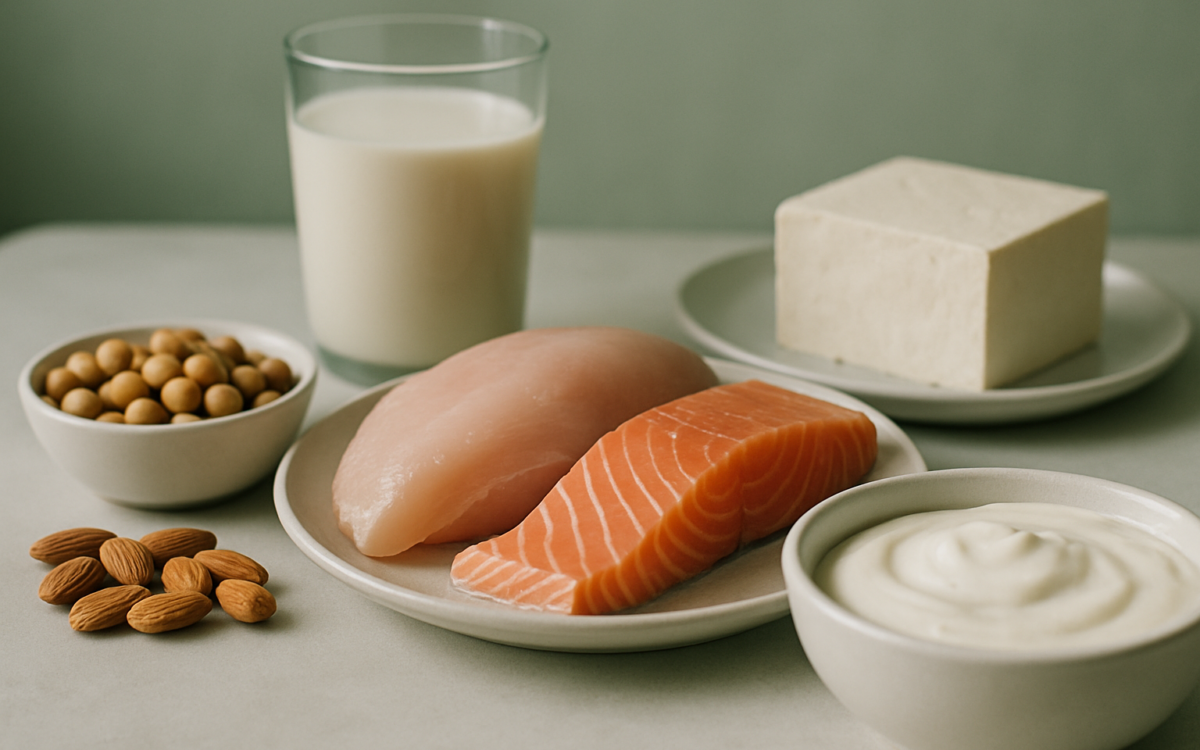
Protein is a crucial nutrient that plays a key role in our body’s health. It helps build and repair tissues, supports immune function, and serves as a vital component of enzymes and hormones. However, with so many protein sources available, consumers often wonder: what is the best way to get protein? In this article, we will explore various protein sources, their benefits, and how to seamlessly incorporate them into your diet.
Understanding Protein Sources
When discussing protein sources, it’s important to recognize the difference between animal and plant-based proteins. Each has its own unique benefits and can contribute to a healthy diet.
Animal Protein Sources
Animal-based proteins are complete proteins, meaning they contain all essential amino acids that your body needs. Here are some common sources of animal protein:
- Meat: Chicken, beef, pork, and turkey are all excellent sources.
- Fish: Salmon, tuna, and sardines not only provide protein but also healthy omega-3 fatty acids.
- Dairy: Milk, yogurt, and cheese are packed with protein.
- Eggs: A versatile and rich protein source considered a complete protein.
Including a variety of these proteins can help ensure you meet your protein needs effectively. For example, the Mayo Clinic suggests including a mix of different animal protein sources for optimal health benefits.
Plant-Based Protein Sources
For those following vegetarian or vegan diets, or simply wanting to reduce meat consumption, plant-based proteins are excellent alternatives. Although many plant proteins are incomplete, meaning they lack one or more essential amino acids, combining different sources can provide a complete amino acid profile.
- Legumes: Beans, lentils, and chickpeas are rich in protein and fiber.
- Nuts and Seeds: Almonds, chia seeds, and hemp seeds are nutritious options.
- Whole Grains: Quinoa, farro, and brown rice contain protein along with important fibers.
- Tofu and Tempeh: These soy products are excellent protein sources for plant-based diets.
For individuals exploring international treatment options, services like international patient services provide guidance on nutrition, including protein sources, tailored to regional diets.
How Much Protein Do You Need?
Your protein needs depend on several factors including age, sex, weight, and physical activity level. The World Health Organization (WHO) recommends a daily protein intake of 0.8 grams per kilogram of body weight for average adults. Athletes or those involved in intense physical activity may require more protein to support recovery and muscle growth.
Incorporating Protein into Your Diet
The best way to get protein is to include it in each meal and snack. Here are some tips:
- Breakfast: Start your day with eggs, Greek yogurt, or a protein smoothie.
- Lunch: Add beans to your salad or opt for a chicken sandwich.
- Dinner: Include fish or a plant-based protein like tofu in your meal.
- Snacks: Choose nuts, protein bars, or hummus with veggies.
Experimenting with new recipes can also help diversify your protein intake. Try incorporating protein-rich ingredients into familiar dishes to make them more nutritious.
Choosing High-Quality Protein Sources
Not all protein sources are created equal. Here are some tips for selecting high-quality proteins:
- Opt for lean meats: Choose poultry and fish over red and processed meats.
- Look for whole food sources: Whole foods often contain additional nutrients, making them healthier choices.
- Avoid added sugars: Be cautious of protein supplements or bars that contain high amounts of sugar.
Consulting resources, like the CDC, can help you navigate the choices available to you and guide you in choosing the healthiest options based on your dietary needs.
When to See a Doctor
If you have specific dietary concerns, experience unusual weight changes, or have health conditions that may affect your protein intake, it’s essential to consult with your healthcare provider. They can help tailor dietary recommendations to your individual needs.
In conclusion, the best way to get protein is to focus on a variety of sources, both animal- and plant-based, while considering your individual health needs. With thoughtful planning and creativity, you can easily incorporate quality protein into your diet and support your overall health.
