
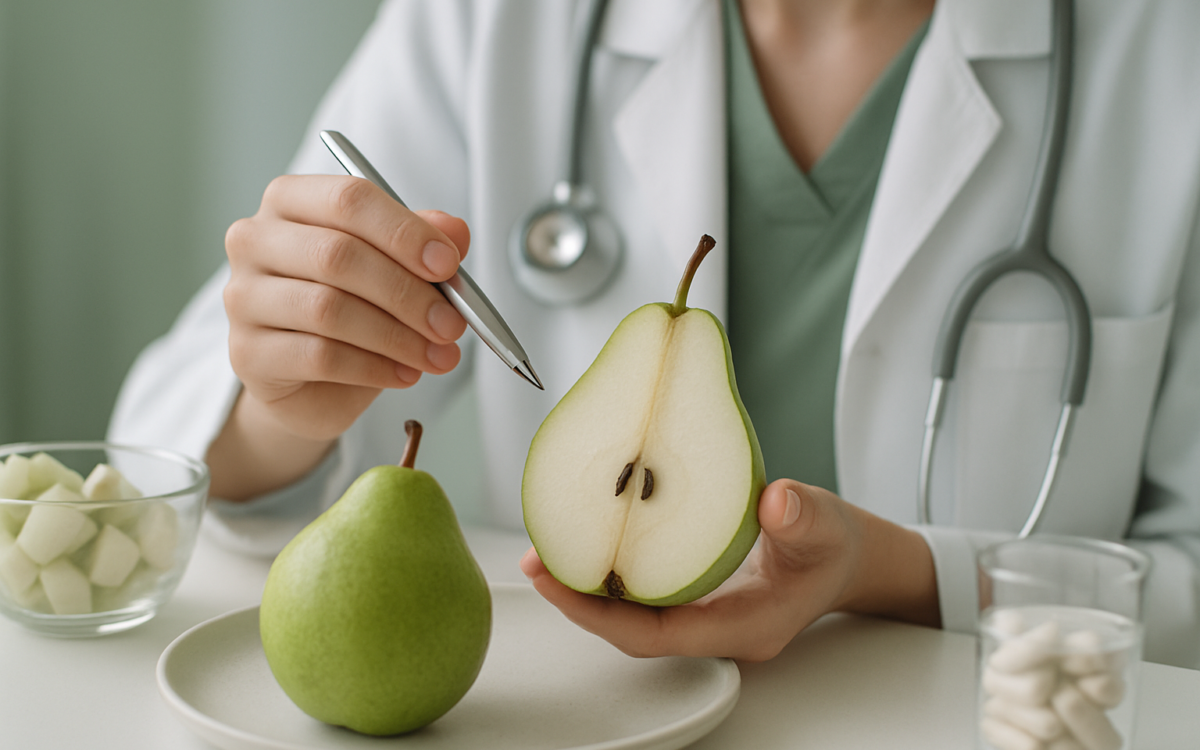
Pears are often overlooked when it comes to fruit choices, but these sweet, juicy fruits are a powerhouse of nutrition. With their soft texture and refreshing flavor, pears can be enjoyed in numerous ways and offer significant health benefits. Let’s explore what makes pears a nutritious addition to your diet.
Nutritional Breakdown of Pears
A medium-sized pear (about 178 grams) contains the following nutrients:
- Calories: 102
- Protein: 1 gram
- Fat: 0.2 grams
- Carbohydrates: 27 grams
- Dietary Fiber: 6 grams (24% DV)
- Vitamin C: 10% DV
- Vitamin K: 4% DV
- Potassium: 6% DV
Pears are particularly high in dietary fiber, which is essential for digestive health and can help you feel fuller for longer. They are also a good source of Vitamin C, which is vital for immune function and skin health.
The Mighty Fiber Content
One of the standout features of pears is their impressive fiber content. Consuming a diet rich in fiber is crucial for maintaining a healthy digestive system. Fiber helps regulate bowel movements, preventing constipation and supporting gut health. The fiber found in pears is predominantly soluble fiber, which can help lower cholesterol levels and stabilize blood sugar levels.
In fact, research indicates that increasing fiber intake can lead to a reduced risk of developing cardiovascular disease and type 2 diabetes (NIH). Eating pears regularly can thus be a smart choice for long-term health.
Vitamins and Minerals in Pears
Pears are not only delicious, but they also offer important vitamins and minerals:
- Vitamin C: As an antioxidant, Vitamin C helps protect your cells from damage and supports wound healing.
- Vitamin K: Important for blood clotting and bone health, Vitamin K helps to maintain strong bones.
- Potassium: This mineral plays a key role in regulating blood pressure and promoting heart health.
- Antioxidants: Pears contain flavonoids and phenolic compounds, which can help reduce oxidative stress and inflammation in the body.
The combination of these vitamins and minerals in pears contributes to overall well-being and can help reduce the risk of chronic diseases.
Weight Management and Pears
Including pears in your diet may aid in weight management. With their high fiber content and low calorie count, pears can keep you satisfied without piling on the calories. Studies suggest that eating more fiber-rich foods like pears can lead to better weight control and help prevent obesity (CDC).
Furthermore, the natural sweetness of pears can satisfy your craving for desserts, making them a healthier alternative to sugary snacks.
Incorporating Pears into Your Diet
Want to add more pears to your meals? Here are some suggestions:
- Snacks: Slice pears and enjoy them with a spoonful of almond butter or cheese for a satisfying snack.
- Salads: Add sliced pears to your salads for a sweet twist. They pair beautifully with leafy greens, nuts, and cheeses.
- Desserts: Bake pears with a sprinkle of cinnamon for a healthy dessert option.
- Smoothies: Blend pears into a smoothie for natural sweetness and added fiber.
With so many ways to enjoy pears, they can be easily incorporated into your daily meals.
Potential Health Considerations
While pears are generally beneficial for most people, it is important to be mindful of a few considerations:
- Allergies: Some individuals may be allergic to pears or other fruits in the same family.
- Digestive Issues: Eating large quantities of pears may cause digestive discomfort or bloating due to their high fiber content.
- Blood Sugar Levels: Those with specific dietary restrictions related to blood sugar should monitor their intake of fruits, including pears.
If you have any concerns about how pears fit into your diet, consider consulting with a healthcare professional.
When to See a Doctor
If you experience allergic reactions after consuming pears or if you have digestive problems that persist, it’s important to consult a healthcare professional. They can help determine if you should adjust your diet or address any underlying issues.
Conclusion
Pears are more than just a sweet treat; they are a nutritional gem packed with fiber, vitamins, and antioxidants. Whether you’re looking to improve your digestive health, manage your weight, or simply enjoy a tasty fruit, incorporating pears into your diet can be a delicious way to boost your overall health. Remember to balance your diet with a variety of foods for optimal nutrition!
