
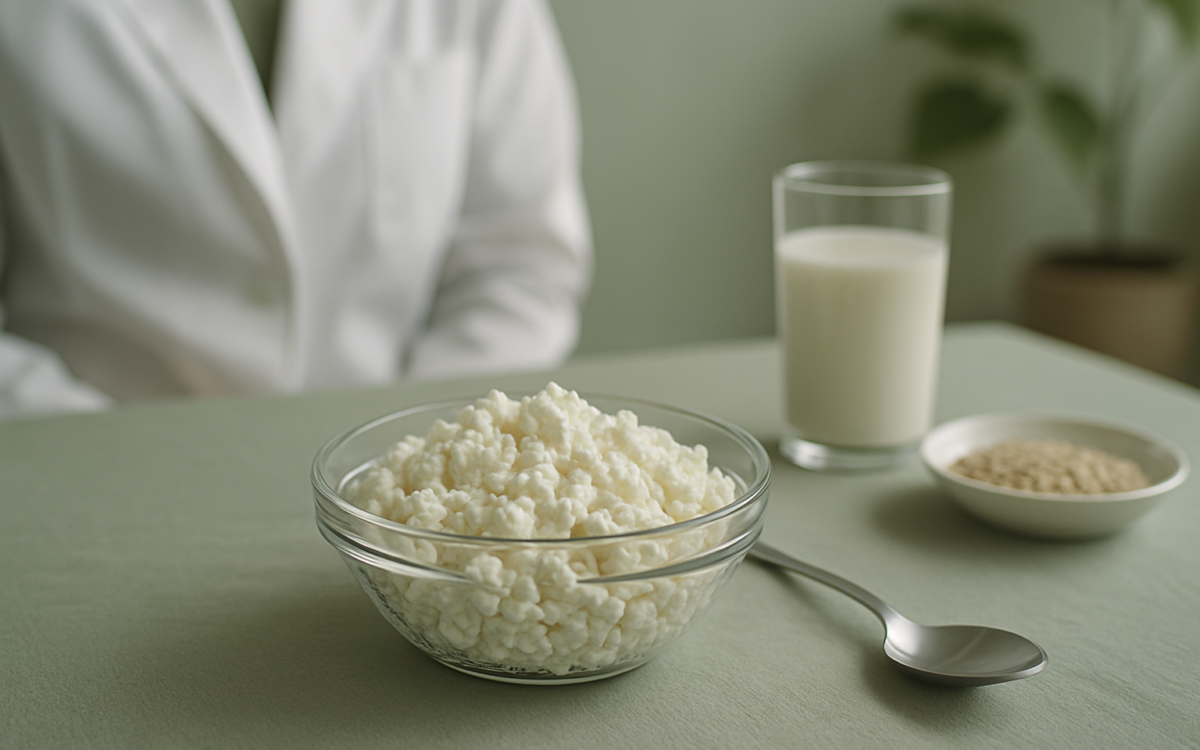
Cottage cheese is more than just a simple dairy product; it’s a potential powerhouse of nutrition that offers numerous health benefits. From its creamy texture to its versatility in meals and snacks, cottage cheese has become a staple in many diets, particularly among those looking to increase their protein intake or manage their weight. But what exactly makes cottage cheese so nutritious? In this article, we’ll explore the nutritional components, benefits, and culinary uses of cottage cheese.
Understanding Cottage Cheese
Cottage cheese is a fresh cheese made from curds and whey, commonly known for its soft, lumpy texture and mild flavor. It comes in various forms, including low-fat, non-fat, and full-fat options, catering to different dietary preferences.
Nutritional Profile of Cottage Cheese
Let’s break down the nutrition facts of cottage cheese, which can vary slightly based on the fat content. Here’s a general overview of one cup (approximately 226 grams) of low-fat cottage cheese:
- Calories: Around 206
- Protein: Approximately 28 grams
- Fat: About 5 grams
- Carbohydrates: Roughly 6 grams
- Calcium: Approximately 18% of the daily value
- Sodium: About 918 mg
The high-protein content makes cottage cheese particularly appealing for athletes and those looking to manage their weight. Protein is essential for muscle repair, immune function, and overall health.
Health Benefits of Cottage Cheese
Incorporating cottage cheese into your diet can provide several health benefits:
1. Rich Source of Protein
One of the standout features of cottage cheese is its impressive protein content. Packed with essential amino acids, it can help you feel fuller longer, making it an ideal snack or meal component for those aiming to manage their weight.
2. Bone Health Support
Cottage cheese is a great source of calcium, a key nutrient for maintaining healthy bones. Consuming adequate calcium is essential for preventing osteoporosis and keeping your bones strong throughout life. Additionally, the phosphorus found in cottage cheese complements calcium, enhancing bone health further.
3. Supports Muscle Growth and Recovery
Because cottage cheese is high in casein protein, it is slowly digested by the body. This continuous release of amino acids can help with muscle growth and recovery, making cottage cheese a popular choice among bodybuilders and fitness enthusiasts. The slow release of protein may also aid in overnight recovery if consumed before bed.
4. May Aid in Weight Management
The combination of protein and low calories makes cottage cheese an excellent option for those looking to lose weight or maintain a healthy weight. Its high protein content can reduce hunger and decrease overall caloric intake, making it easier to stick to a healthy eating plan. Opting for low-fat or non-fat versions can help keep calorie counts down.
5. Versatile Culinary Uses
Cottage cheese is incredibly versatile and can be used in a variety of dishes. It can be eaten on its own or combined with fruits, vegetables, or nuts for added nutrients. Here are some delicious ways to include cottage cheese in your diet:
- Breakfast Bowl: Pair it with fresh fruit, granola, or honey.
- Salads: Add it as a protein boost to green salads or pasta salads.
- Smoothies: Blend it into your morning smoothie for a creamy texture and protein kick.
- Baking: Substitute it for ricotta in recipes for lasagna or stuffed shells.
Considerations When Consuming Cottage Cheese
While cottage cheese has many health benefits, there are a few considerations to keep in mind:
- Sodium Content: Some brands of cottage cheese can be high in sodium, which may not be ideal for individuals monitoring their salt intake. Look for low-sodium options if this is a concern.
- Dairy Sensitivities: Those with lactose intolerance may experience discomfort when consuming cottage cheese, though many find they can tolerate it better than other dairy products due to its lower lactose levels.
When to See a Doctor
If you’re experiencing adverse reactions after consuming cottage cheese or have specific dietary concerns, it’s advisable to consult a healthcare professional. Symptoms such as gastrointestinal discomfort, severe allergies, or intolerances should not be ignored. Additionally, if you’re managing a medical condition that requires special dietary considerations, seeking personalized advice is always the best course of action.
Conclusion
Cottage cheese is a nutrient-dense food that can play a significant role in a balanced diet. With its high protein content and various health benefits, it deserves a place in your kitchen. Whether you enjoy it as a snack, a breakfast addition, or an ingredient in various dishes, cottage cheese offers both versatility and nourishment. As always, consulting with a healthcare provider or a nutritionist can help tailor dietary choices to your individual health needs.
