
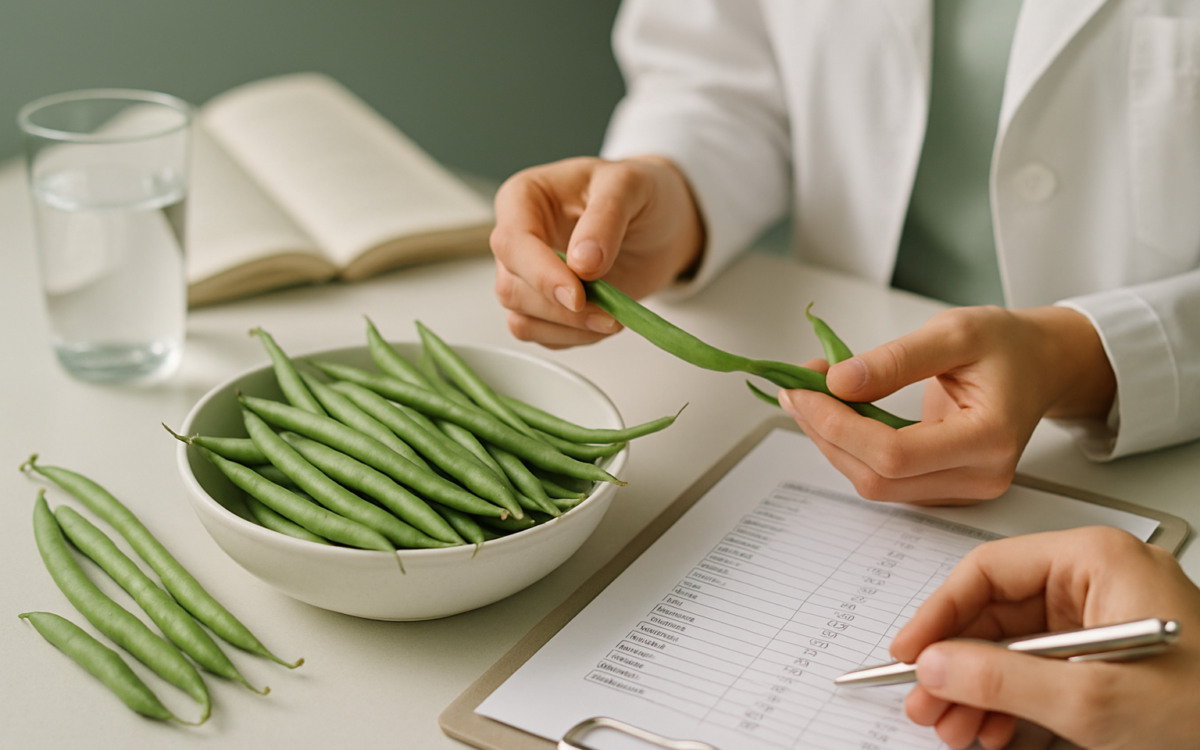
French beans, often referred to as green beans, are a delightful and versatile vegetable commonly enjoyed in various cuisines around the world. With a crisp texture and fresh flavor, these beans are not just tasty but also packed with nutrients. In this article, we will explore the nutritional profile of French beans, their health benefits, and how to incorporate them into your diet.
Nutritional Profile of French Beans
French beans are low in calories but rich in essential vitamins, minerals, and dietary fiber. A 1-cup serving (about 125 grams) of cooked French beans typically contains:
- Calories: 44
- Protein: 2.4 grams
- Fat: 0.2 grams
- Carbohydrates: 10 grams
- Dietary Fiber: 4 grams
This simple breakdown reveals that French beans are also an excellent source of vitamin A, vitamin C, vitamin K, folate, and manganese, making them a powerhouse of nutrients.
Rich in Vitamins and Antioxidants
One of the stand-out features of French beans is their rich content of vitamins. They are a great source of:
- Vitamin A: Essential for vision, immune function, and skin health.
- Vitamin C: An antioxidant that aids in the repair of tissues, boosts the immune system, and enhances iron absorption.
- Vitamin K: Important for blood clotting and bone health.
Moreover, the antioxidants in French beans, such as flavonoids and carotenoids, help combat oxidative stress in the body. This could potentially lower the risk of chronic diseases and support overall health. According to the National Institutes of Health, a diet rich in antioxidants is linked to improved heart health and reduced inflammation.
High Dietary Fiber Content
French beans are a wonderful source of dietary fiber, providing about 4 grams per serving. Fiber is crucial for healthy digestion as it helps regulate bowel movements and prevent constipation. In addition to benefiting digestive health, a high-fiber diet can help maintain healthy cholesterol levels and control blood sugar, making it a great choice for those managing diabetes.
The fiber found in French beans can also keep you feeling full longer, aiding in weight management. For those exploring weight-loss strategies or simply seeking to maintain a healthy weight, integrating high-fiber foods like French beans into meals can be beneficial.
Incorporating French Beans into Your Diet
Including French beans in your meals is easy and delicious. Here are a few ideas:
- Add them to salads for a crunchy texture and bright color.
- Sauté them with garlic and olive oil for a quick side dish.
- Steam or blanch them and toss with lemon juice and nuts for added flavor.
- Consider using French beans in international dishes; for example, they are a key ingredient in many Asian stir-fries.
If you’re considering further options for incorporating beans or exploring innovative treatments, you may want to look into treatment in Turkey that incorporates nutritional guidance as part of a holistic health strategy.
Potential Health Benefits
The health benefits of consuming French beans are numerous:
- Heart Health: The fiber, vitamins, and antioxidants in French beans contribute to cardiovascular health by reducing cholesterol levels and inflammation.
- Bone Strength: The combination of vitamin K, calcium, and magnesium plays a crucial role in maintaining bone density and strength.
- Supports Weight Management: Low in calories and high in fiber, French beans can help you feel fuller for longer, assisting in weight control.
- Diabetes Management: Their fiber content helps regulate blood sugar levels, making them a suitable choice for those with insulin resistance or diabetes.
Research has shown that regular consumption of beans, including French beans, can lead to improved overall health outcomes. The World Health Organization emphasizes the need for more fruits and vegetables in our diets, highlighting their critical role in preventing non-communicable diseases.
When to See a Doctor
While French beans are excellent for most individuals, it is important to consult with your doctor if you have any allergies or specific health conditions that could affect how you digest beans. Symptoms such as severe stomach pain or an allergic reaction after consuming French beans should prompt immediate medical attention.
Conclusion
French beans are more than just a colorful addition to your plate; they are a nutrient-dense vegetable packed with vitamins, minerals, and dietary fiber. Whether you enjoy them steamed, sautéed, or raw, adding French beans to your diet can support your overall health and well-being. Remember, a balanced diet filled with a variety of fruits and vegetables is key to maintaining good health.
