
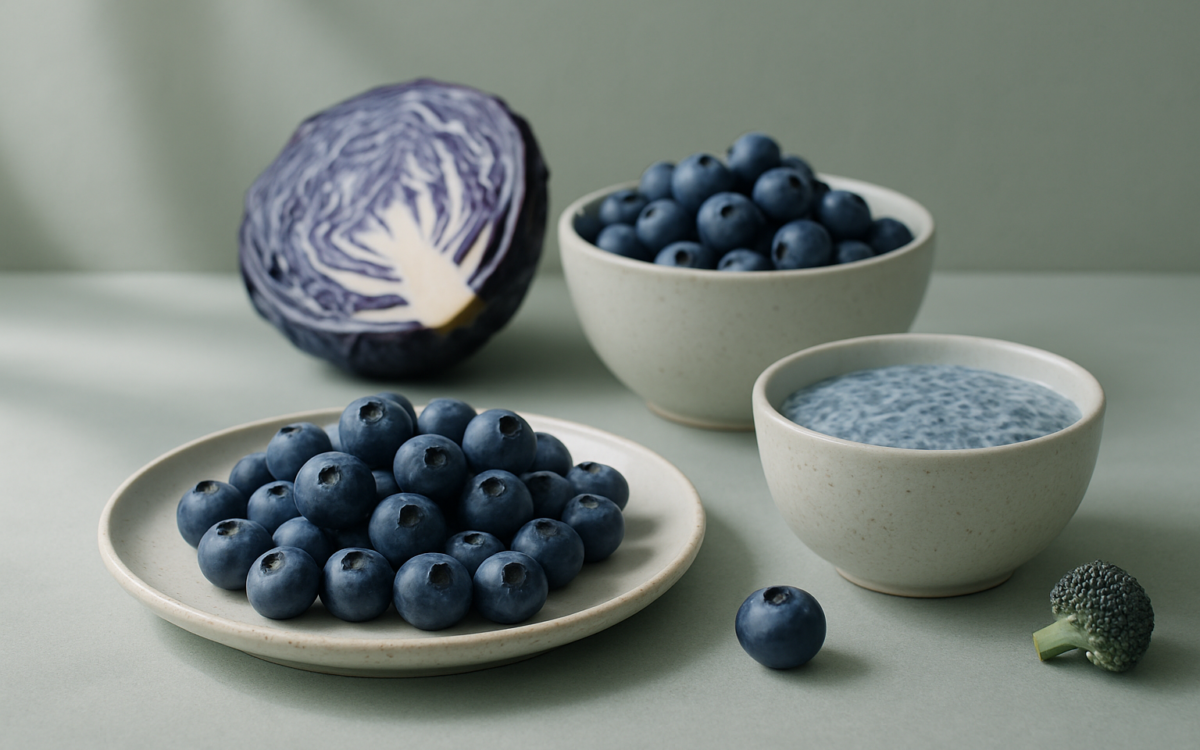
Imagine walking through a vibrant market and spotting a dazzling blue kaleidoscope of fruits and vegetables. Blue foods might not take the center stage in most diets, but their unique colors signal more than just eye-catching visuals—they’re also packed with nutrients. Let’s explore the fascinating world of blue foods, from their delicious varieties to their health benefits.
The Blue Spectrum: What Are Blue Foods?
Blue foods refer to items naturally colored blue, which include certain fruits and vegetables. Some common examples are:
- Blueberries
- Blackberries
- Blue potatoes
- Blue corn
- Butterfly pea flower
Unlike other food colors, blue is relatively rare in nature. This rarity can make the exploration of blue foods even more exciting, as these items can add a pop of color and flavor to your meals.
The Nutritional Benefits of Blue Foods
Blue foods are often rich in antioxidants, vitamins, and minerals. One standout nutrient is anthocyanin, which gives many blue foods their stunning color. Research suggests that anthocyanins may help fight inflammation and reduce the risk of chronic diseases.
For instance, one study published in the journal Nutrients indicated that consuming anthocyanin-rich foods can improve heart health and reduce the risk of diabetes. Blueberries, specifically, have been tied to improvements in cognitive function, making them a tasty choice for brain health.
Delicious Blue Foods and How to Use Them
Integrating blue foods into your diet can be both exciting and delicious. Here are some ideas to consider:
Blueberries
These small fruits are bursting with flavor and can enhance your morning oatmeal, yogurt, or salads. Try making a blueberry smoothie or adding them to your baking!
Blue Potatoes
Unlike standard potatoes, blue potatoes have purple skin and flesh. They can be roasted, baked, or mashed, providing a unique twist to your meals.
Blue Corn
Often made into tortillas or chips, blue corn can add distinct flavor and color to your tacos or nachos. It’s high in protein and has been linked to increased antioxidant levels.
Blackberries
Though they’re technically more of a deep purple, blackberries offer similar benefits to their blue counterparts. Snack on them fresh or add them to desserts for a colorful treat.
Blue Foods Around the World
Different cultures incorporate blue foods into their cuisine in various ways. For example, in Asian countries, the butterfly pea flower is popular in herbal teas and is celebrated for its health benefits and vivid color.
If you’re looking to explore blue foods from an international perspective, consider visiting acibademinternational.com for insights on nutrition and health practices around the world. Learning from various cultures can enhance your understanding of how to incorporate these unique foods into your cooking.
Possible Health Risks and Considerations
While blue foods are generally safe and beneficial for most people, some may experience adverse reactions. For example, certain individuals may be allergic to berries or other foods in the blue spectrum.
Additionally, many blue foods, like blue corn, can be less common and sometimes more expensive than their conventional counterparts. If you have questions about specific allergies or dietary restrictions, it’s always best to speak with your healthcare provider.
When to See a Doctor
If you experience any unusual allergic reactions or digestive issues after consuming blue foods, consult your doctor. It’s essential to listen to your body and seek guidance from a healthcare professional if you have concerns about including new foods in your diet.
In summary, blue foods can serve as a delightful and nutritious addition to your meals. With their potential health benefits, vibrant colors, and delicious flavors, there’s no reason not to embrace them in your diet. So next time you’re at the grocery store or farmers’ market, keep an eye out for those beautiful blue hues—they might just hold the key to a healthier you!
