
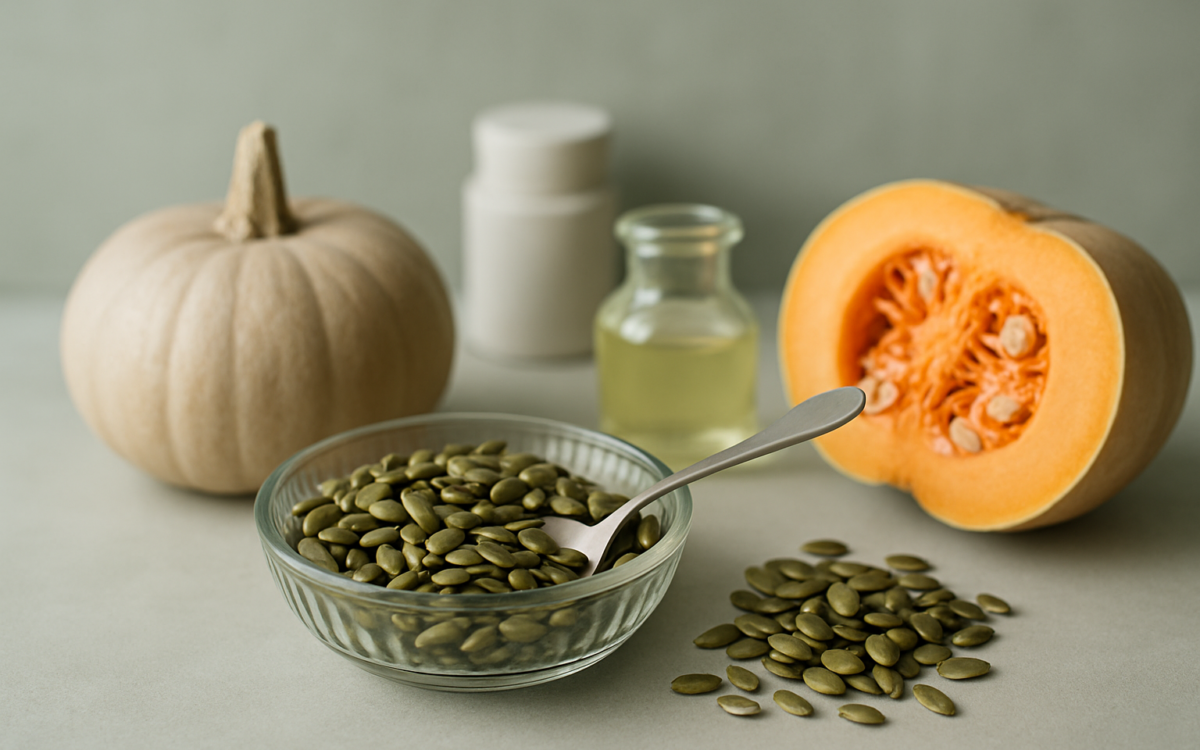
When you think of pumpkins, you might picture autumn festivals, Halloween decorations, or delicious pies. However, pumpkin seeds, also known as pepitas, are nutritionally rich little gems that deserve attention for their health benefits. Packed with nutrients, they offer a variety of health advantages that can easily be incorporated into your diet. Let’s explore the remarkable health benefits of pumpkin seeds and why you should consider adding them to your meals.
Rich in Nutrients
Pumpkin seeds are a powerhouse of essential nutrients. Just a small serving can provide significant amounts of magnesium, iron, zinc, and healthy fats. Here’s a quick breakdown of the key nutrients:
- Magnesium: Vital for bone health and maintaining muscle and nerve function.
- Zinc: Supports immune function and plays a role in wound healing.
- Iron: Necessary for the production of red blood cells, preventing anemia.
- Healthy Fats: Contains omega-3 and omega-6 fatty acids, beneficial for heart health.
- Antioxidants: Helps reduce inflammation and protect cells from damage.
This combination of nutrients helps support overall health and well-being, making pumpkin seeds a tasty way to enhance your daily nutrition.
Heart Health and Cholesterol Management
Heart disease is a leading cause of death globally, and maintaining a healthy heart is crucial. Pumpkin seeds can aid in this regard. They contain healthy fats and antioxidants, which can help lower bad cholesterol levels. Studies suggest that the high magnesium content found in pumpkin seeds is linked to improved heart health, as it helps regulate blood pressure and keep arteries flexible.
Additionally, pumpkin seeds are rich in phytosterols, plant compounds that are known to reduce cholesterol absorption in the intestines. This double action of lowering bad cholesterol and reducing its absorption creates a heart-healthy snack that could be beneficial for those looking to improve their cardiovascular health.
Support for Prostate Health
For men, pumpkin seeds have a reputation for promoting prostate health. Some studies suggest that the phytosterols in these seeds may help reduce the size of the prostate and mitigate urinary symptoms associated with an enlarged prostate, known as benign prostatic hyperplasia (BPH).
Furthermore, the anti-inflammatory properties attributed to pumpkin seeds may also play a role in protecting against prostate cancer. Although more research is needed, adding these seeds to your diet might be a proactive approach to supporting prostate health.
Bone Health and Density
As we age, maintaining bone density becomes increasingly important to prevent conditions like osteoporosis. Magnesium is a key mineral in bone formation, and pumpkin seeds are one of the richest plant sources of it. Adequate magnesium intake has been shown to correlate with improved bone mineral density.
Additionally, the zinc found in pumpkin seeds is essential for bone healing and growth. The combination of these nutrients makes pumpkin seeds a smart choice for those looking to enhance their bone health and protect against age-related bone loss.
Anti-Inflammatory Properties
Chronic inflammation is linked to various health problems, including diabetes, heart disease, and cancer. Pumpkin seeds offer anti-inflammatory benefits due to their rich supply of antioxidants like vitamin E and carotenoids, which combat oxidative stress.
Incorporating pumpkin seeds into your diet can help reduce inflammation, contributing to better overall health. Eating them regularly may lower your risk of chronic diseases and enhance your body’s resilience against illness.
Promoting Quality Sleep
If you’re having trouble sleeping, consider adding pumpkin seeds to your evening routine. These seeds contain tryptophan, an amino acid that can help promote better sleep by increasing the production of melatonin, the hormone responsible for regulating sleep-wake cycles. Additionally, the magnesium in pumpkin seeds can help reduce insomnia and improve overall sleep quality.
A sprinkle of pumpkin seeds on yogurt or a small handful as a late-night snack may help you drift off to sleep more easily.
When to See a Doctor
While pumpkin seeds offer many health benefits, it’s essential to consult your healthcare provider if you have any underlying health issues or concerns about your diet. If you experience adverse reactions such as digestive discomfort after consuming pumpkin seeds or have a known allergy to seeds or nuts, seek medical advice promptly.
Conclusion
Pumpkin seeds are not just a seasonal snack; they are a nutrient-dense food that can provide numerous health benefits year-round. From supporting heart health and bone density to promoting quality sleep, incorporating pumpkin seeds into your daily diet may enhance your overall well-being. Simple, versatile, and delicious, these tiny seeds can easily be added to salads, smoothies, or enjoyed on their own. Embrace the benefits of pumpkin seeds and nourish your body with this delightful superfood!
