
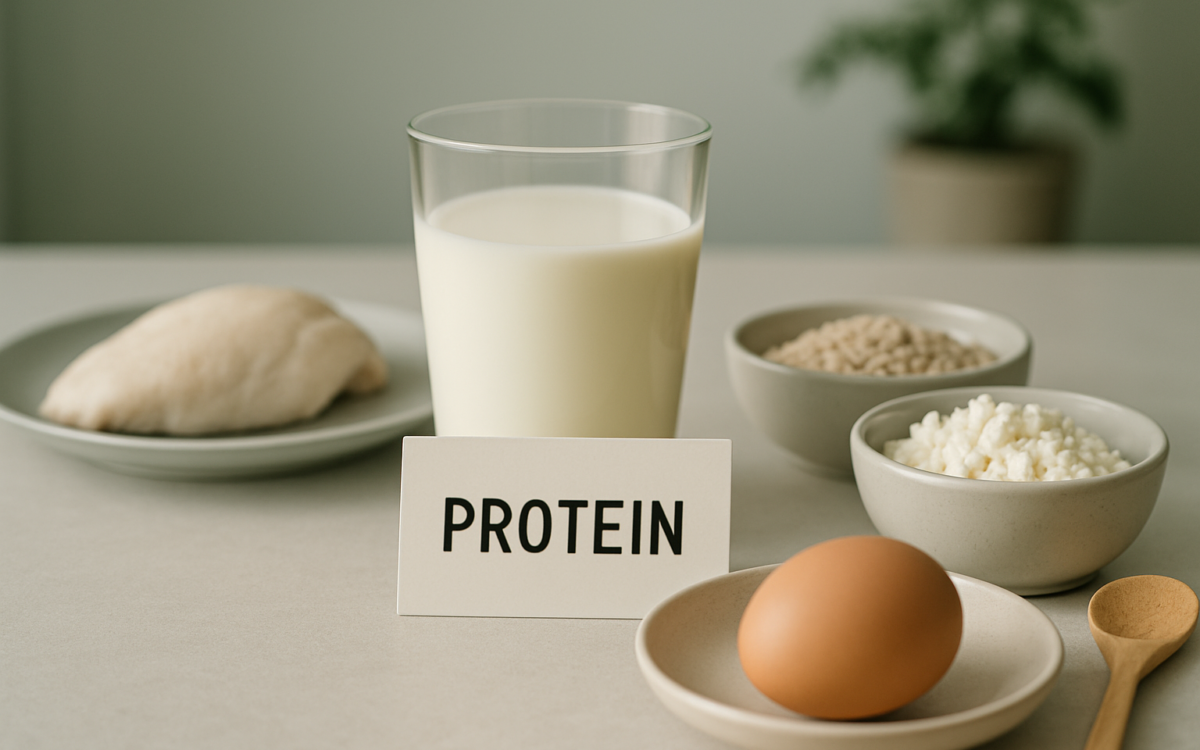
When it comes to maintaining good health, one nutrient stands out: protein. It’s a vital building block for your body, playing crucial roles in muscle development, tissue repair, and overall bodily function. However, many people are unsure about how much protein they should consume each day. With varying dietary needs and lifestyles, figuring out the right amount of protein can feel overwhelming. This article aims to simplify the process, helping you understand how many grams of protein per day are right for you.
The Role of Protein in Your Body
Protein is made up of amino acids, which are often termed the “building blocks” of life. Your body uses these amino acids to develop and repair tissues, make enzymes and hormones, and support immune function. Incorporating enough protein in your diet is essential for:
- Building and repairing muscles after exercise
- Supporting cellular functions
- Producing hormones and enzymes
- Maintaining skin, hair, and nail health
Given its importance, determining the right protein intake is paramount for overall health and well-being.
How Much Protein Do You Need?
The recommended dietary allowance (RDA) for protein varies based on factors like age, sex, physical activity level, and overall health. For most adults, the RDA is:
- 0.8 grams of protein per kilogram of body weight
This formula means that if you weigh 70 kilograms (about 154 pounds), you would need approximately 56 grams of protein daily. However, this is just a baseline. Various factors can adjust this amount.
Factors Affecting Protein Requirements
Your ideal daily protein intake might differ based on several factors:
1. Age
Children and teenagers generally need more protein per kilogram of body weight than adults, as they are in crucial growth phases. Elderly individuals may also require more protein to help maintain muscle mass.
2. Activity Level
Athletes and those who engage in regular resistance training typically need more protein to support muscle repair and growth. For active adults, protein needs can range from:
- 1.2 to 2.0 grams per kilogram, depending on the intensity and frequency of exercise
3. Health Conditions
People with certain health conditions may require adjustments to their protein intake. For instance:
- Individuals recovering from surgery or injuries may benefit from higher protein levels
- Those with kidney disease should consult a healthcare professional for tailored advice, as excessive protein can worsen their condition
Best Sources of Protein
<pNot all protein sources are created equal. Here are some excellent options:
Animal-Based Sources
- Meat (beef, poultry, pork)
- Fish and seafood
- Dairy products (milk, yogurt, cheese)
Plant-Based Sources
- Legumes (beans, lentils, chickpeas)
- Nuts and seeds
- Tofu and tempeh
- Whole grains (quinoa, brown rice)
Incorporating a mix of both animal and plant sources can provide a broader range of amino acids, ensuring you meet your protein needs healthily.
Signs of Inadequate Protein Intake
Not consuming enough protein may lead to several adverse effects. Keep an eye out for:
- Unexplained fatigue
- Muscle weakness or loss of strength
- Skin issues, hair loss, or weakened nails
- Frequent infections or illness due to immune response
If you notice these signs, it might be worth examining your protein intake and discussing it with a healthcare provider.
When to See a Doctor
If you’re struggling to meet your protein needs or suspect you have a deficiency, it’s wise to consult a healthcare professional. They can provide personalized advice based on your lifestyle and health status. Consider seeking help if:
- You experience significant weight loss or muscle loss
- You have persistent fatigue or health issues
- You’re planning a significant dietary change
Conclusion
Understanding how many grams of protein you need each day is crucial for maintaining good health. While the general recommendation is 0.8 grams of protein per kilogram of body weight, individual factors like age, activity level, and health conditions can necessitate adjustments. Ensuring a balanced diet rich in both animal and plant protein sources will help you meet your protein needs effectively. Always remember, consulting with a healthcare professional is a great step if you have specific concerns about your protein intake or overall diet.
