
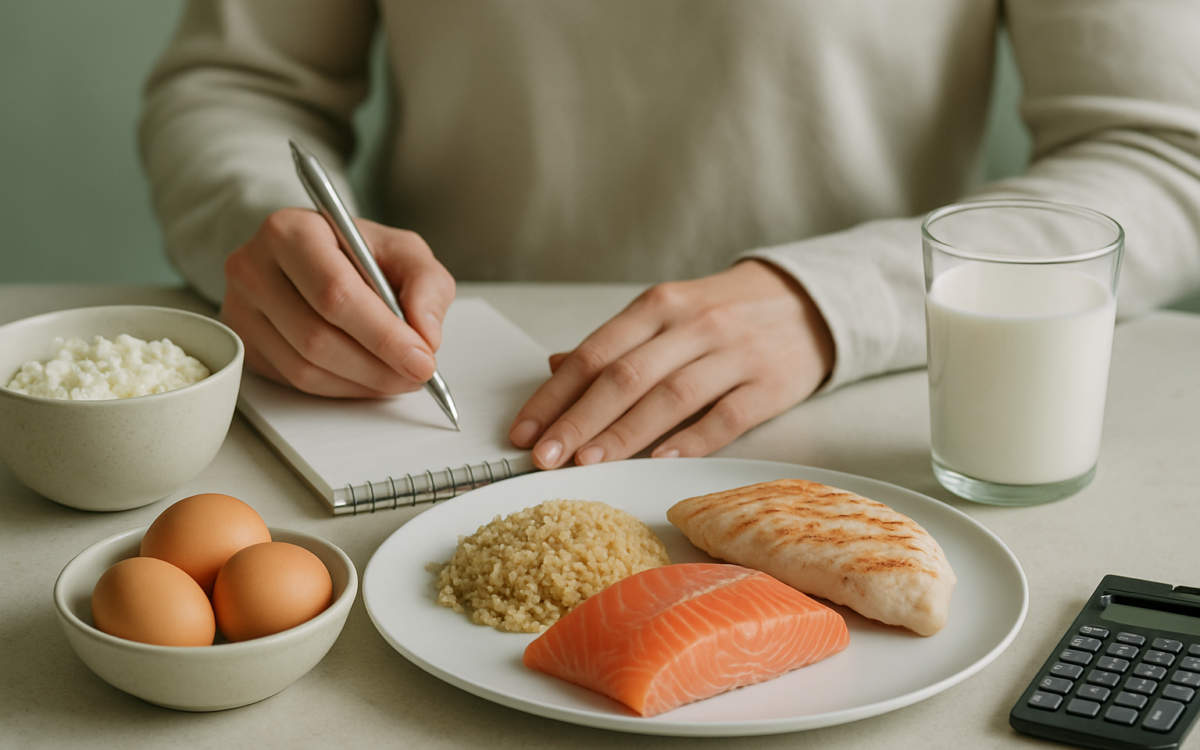
Protein is an essential nutrient that plays a crucial role in building and repairing tissues, making enzymes and hormones, and supporting overall health. However, many people are unsure about how much protein they actually need each day. This guide will help you understand your protein requirements based on different factors, such as age, gender, activity level, and health status.
What is protein and why is it important?
Protein is made up of smaller units called amino acids, which are the building blocks of the body. Unlike carbohydrates and fats, protein is essential for repair and growth. It also plays a role in many bodily functions, including:
- Building muscle mass and strength
- Producing enzymes and hormones
- Supporting immune function
- Transporting nutrients
Protein can be found in a variety of foods, including meat, dairy, legumes, nuts, and certain grains.
How much protein do I need?
Generally, the amount of protein you need can be influenced by several factors:
- Age: Children and teenagers need more protein relative to their body weight to support growth. Adults generally require less.
- Activity Level: Active individuals and athletes often need more protein to repair muscles and recover from exercise.
- Health Status: Special situations like pregnancy, breastfeeding, or recovery from illness also increase protein needs.
For most adults, the Recommended Dietary Allowance (RDA) for protein is about 46 grams for women and 56 grams for men per day. This is equivalent to about 0.8 grams of protein per kilogram of body weight. To calculate your own needs, divide your weight in pounds by 2.2 (to get kilograms) and then multiply by 0.8.
For example, a person weighing 150 pounds (about 68 kg) would need around 55 grams of protein per day:
- 150 lbs / 2.2 = 68 kg
- 68 kg x 0.8 = 54.4 grams of protein per day
Adjusting protein intake for activity levels
If you lead an active lifestyle or are engaged in regular strength training, your protein needs may be higher. Estimates suggest:
- Lightly active adults: 1.0 grams of protein per kilogram of body weight
- Athletes or those who engage in strenuous exercise: 1.2 to 2.0 grams per kilogram
These higher levels help in muscle recovery and support overall performance. For example, a 150-pound athlete may require between 82 to 136 grams of protein each day, depending on the intensity and frequency of their workouts.
Protein sources for a balanced diet
Getting enough protein doesn’t mean you have to rely solely on meat. There are many great sources of protein that can fit into a balanced diet:
- Animal-based sources: Eggs, milk, yogurt, chicken, turkey, beef, fish
- Plant-based sources: Beans, lentils, chickpeas, tofu, tempeh, nuts, seeds, whole grains
- Protein supplements: Protein powders can be used to help meet your needs, but whole foods should be prioritized for nutrients.
Incorporating a variety of protein sources can enhance your nutrition and make your meals more enjoyable.
Signs you might need more protein
While protein deficiency is uncommon in developed countries, signs that you might not be getting enough include:
- Muscle weakness or loss of muscle mass
- Fatigue or low energy levels
- Slow healing of wounds or frequent infections
- Edema (swelling) particularly in the legs
If you recognize any of these symptoms, it’s a good idea to talk to a healthcare professional about your diet.
When to see a doctor
If you’re unsure about your protein intake or have specific health conditions that may affect your nutritional needs, it’s always best to consult a doctor or a registered dietitian. They can provide personal guidance based on your health status, lifestyle, and dietary preferences.
Conclusion
Understanding your protein needs is essential for maintaining a healthy diet and supporting your overall well-being. Whether you’re a casual exerciser or someone who engages in intense physical activity, making informed choices about your protein intake can help you feel your best. Remember to consider your individual needs and consult with a healthcare provider for personalized advice.
