
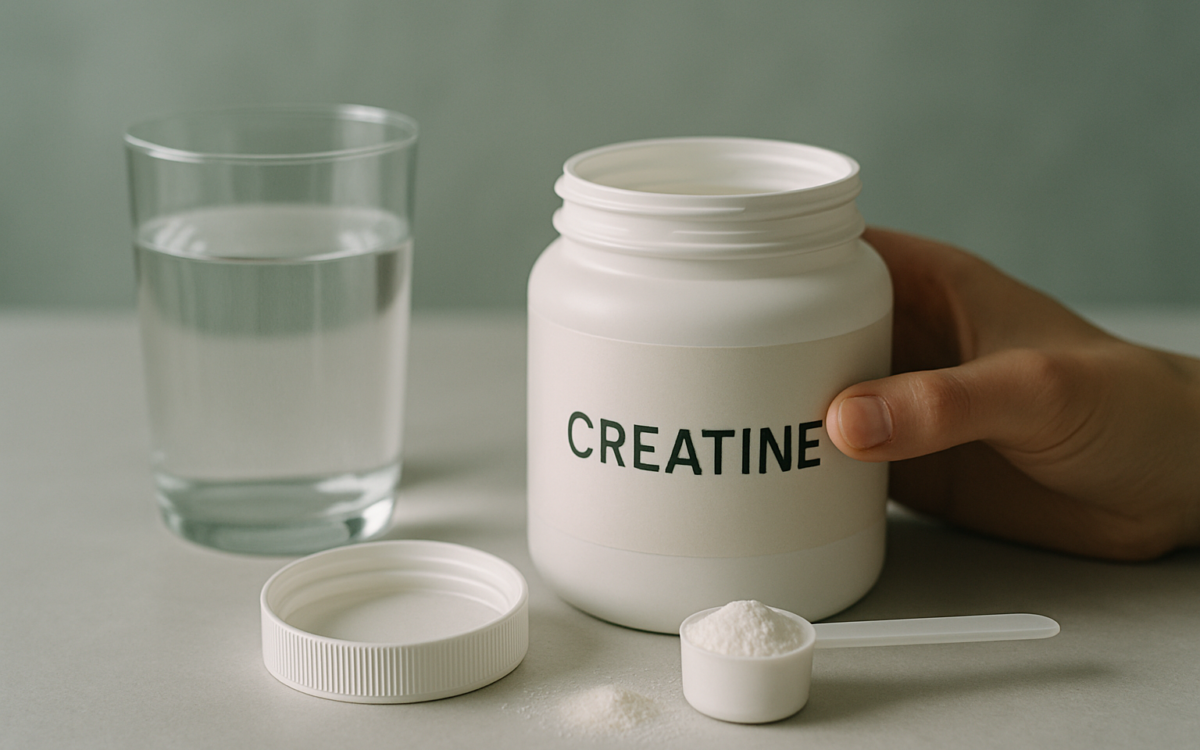
Creatine is a popular supplement among athletes and fitness enthusiasts, known for its benefits in improving strength, power, and overall athletic performance. However, many people wonder about the shelf life of creatine and whether it can expire. Understanding this aspect of supplement safety is essential to ensure you get the most out of your investment.
What is Creatine?
Creatine is a naturally occurring compound found in small amounts in some foods and produced by the body. It is primarily stored in muscle cells, where it helps generate energy during high-intensity exercise. As a supplement, creatine is often used to enhance athletic performance, increase muscle mass, and improve recovery times.
Does Creatine Expire?
Creatine, like many other supplements, can indeed expire. However, it typically has a longer shelf life compared to many perishable products. When stored correctly, creatine can remain effective for an extended period. Most creatine products come with a printed expiration date, often labeled as “best by” or “use by.”
Understanding Expiration Dates
The expiration date on creatine is not a hard rule. It indicates when the manufacturer guarantees the product’s full potency and safety. After this date, the quality may start to decline, but that doesn’t mean it is unsafe to use immediately after the expiration date. Over time, creatine may degrade into creatinine, which is less effective for enhancing performance. However, you may still consume it for a while without immediate adverse effects.
How to Store Creatine Properly
Proper storage is crucial for maintaining the potency of creatine. Here are some best practices:
- Keep it cool: Store creatine in a cool, dry place away from direct sunlight or heat. A pantry or cupboard works well.
- Airtight container: Ensure that the container is sealed tightly after each use to prevent moisture and air from degrading the product.
- Avoid humidity: Steer clear of damp areas such as bathrooms, as moisture can lead to clumping or bacterial growth.
Signs of Expired Creatine
If you’re unsure whether your creatine is still good to use, look for the following signs:
- Changes in texture: If the powder has clumped together or turned gritty, it may have absorbed moisture and lost potency.
- Off smell: Fresh creatine should have a neutral or slightly sweet scent. A strong, unpleasant odor can be an indicator of spoilage.
- Discoloration: Any unusual color changes from the usual white or light brown could be a sign that the product has degraded.
Does Expired Creatine Pose a Health Risk?
Typically, expired creatine is unlikely to pose a significant health risk, especially if it has been stored correctly. However, using it may not provide the desired results, such as enhanced performance or strength gains. The worst that could happen is experiencing digestive discomfort if the creatine has significantly degraded or developed contaminants.
Alternatives to Expired Creatine
If you find that your creatine has expired or shows signs of degradation, it may be wise to consider other options. While many athletes choose recertified or newer brands, some alternative supplements to creatine include:
- BCAA (Branched-Chain Amino Acids): These may help with muscle recovery and reduce exercise fatigue.
- Beta-Alanine: This can improve endurance and performance during high-intensity exercise.
- Protein Powders: These can assist in muscle building and recovery, especially after workouts.
When to See a Doctor
If you have concerns about a specific supplement or experience unusual symptoms after using a supplement, it’s always a good idea to consult a healthcare professional. This is especially true if you have underlying health conditions or are taking other medications.
Conclusion
Understanding whether creatine expires is essential for optimizing your supplement use. While it has a relatively long shelf life, factors such as storage conditions and proper handling can significantly affect its efficacy. Always check the expiration date and look for signs of spoilage before use. If you have any doubts or questions about your supplements, consider consulting a healthcare provider to ensure you’re making the best choices for your health.
