
Hydrogen peroxide is a common household item found in many first aid kits, used primarily for its antiseptic properties. You might have wondered about its effectiveness over time. Does hydrogen peroxide expire? If it does, what does that mean for its use in cleaning and disinfecting? In this article, we’ll delve into the expiration of hydrogen peroxide and provide you with the information you need to safely use this versatile compound.
The Chemistry of Hydrogen Peroxide
Hydrogen peroxide (H2O2) is a simple molecule comprising two hydrogen atoms and two oxygen atoms. This compound is often used as a disinfectant for minor cuts and scrapes, as it releases oxygen when it decomposes. This process leads to bubbling, which helps to cleanse the wound. However, if you have a bottle sitting in your cabinet, you may question whether it’s still effective, especially if it’s past its purchase date.
Does Hydrogen Peroxide Expire?
Yes, hydrogen peroxide does expire. Over time, it naturally breaks down into water and oxygen, making it less effective as a disinfectant. The rate at which this decomposition occurs depends on several factors, including the concentration of hydrogen peroxide and its storage conditions.
Storage Conditions
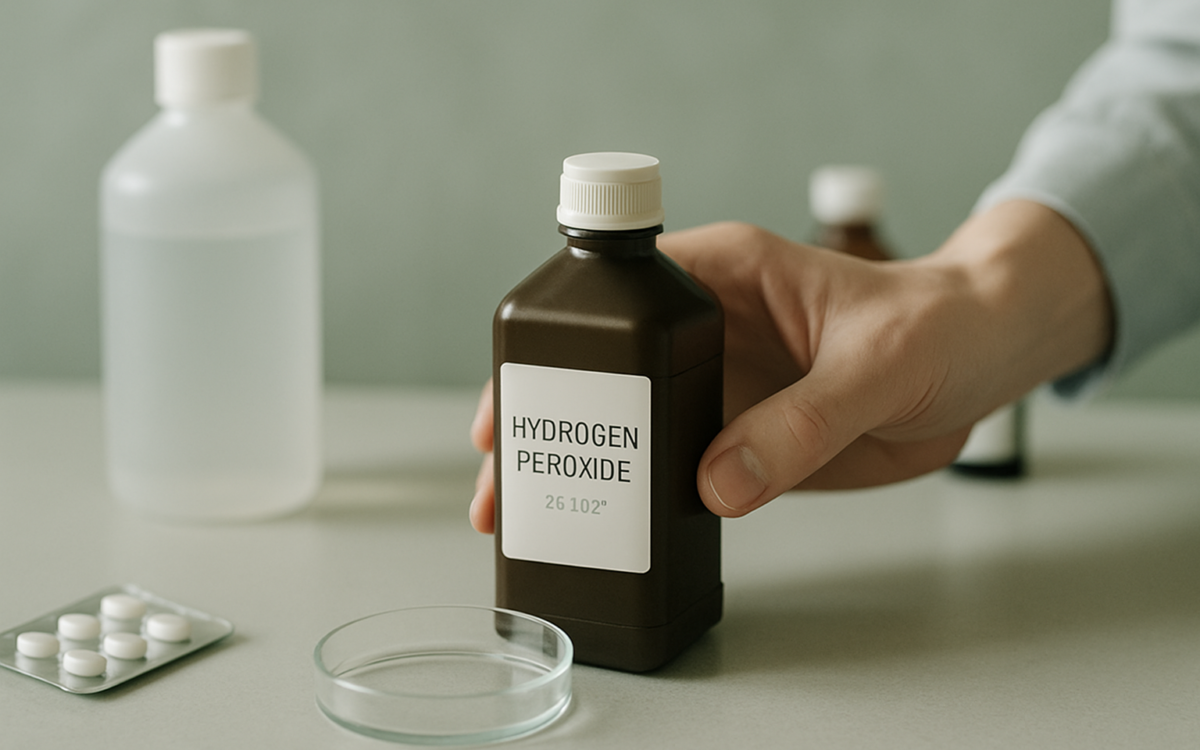
The shelf life of hydrogen peroxide is significantly influenced by how you store it. To maximize its effectiveness, keep hydrogen peroxide in a dark, cool environment and in a properly sealed container. Most store-bought hydrogen peroxide comes in opaque brown bottles designed to block light, which helps slow down its breakdown.
Understanding Expiry Dates
Manufacturers often print an expiration date on the bottle, typically about 1 to 3 years from the manufacturing date. After the expiry date, it does not mean the hydrogen peroxide becomes harmful, but rather that it may not perform as effectively for its intended uses.
Signs that Hydrogen Peroxide Has Expired
Here are a few signs that your hydrogen peroxide may have lost its potency:
- Improper bubbling: When you apply it to a wound, it should bubble vigorously. If it produces little to no bubbles, it’s likely expired.
- Discoloration: Clear hydrogen peroxide solutions should be a light, pale color. If it appears darker or has changed in color, it may be less effective.
- Off odor: Hydrogen peroxide should not have a strong or unpleasant smell. A significant change in odor can also indicate degradation.
Using Expired Hydrogen Peroxide
If you suspect your hydrogen peroxide has expired, it’s essential to consider whether to use it. While expired hydrogen peroxide is unlikely to harm you, it may not effectively disinfect or clean as intended. For crucial tasks like sanitizing surfaces or cleaning wounds, it’s advisable to use fresh, unexpired hydrogen peroxide. If in doubt, consult with a healthcare professional for guidance.
When to See a Doctor
If you’ve used expired hydrogen peroxide on a wound and notice increasing redness, swelling, or discharge, it’s advisable to consult a doctor. This can indicate that the wound may not be healing properly or has become infected, which can require further treatment.
Conclusion
In summary, hydrogen peroxide does expire, and its effectiveness wanes over time. To ensure you’re using it safely and effectively, store it properly, look for signs of expiration, and always check the expiration date on the label. For personal health and safety matters, consulting with a healthcare professional is always a wise course of action. For reliable health information, refer to reputable sources like the NIH and the CDC for more guidance.
