
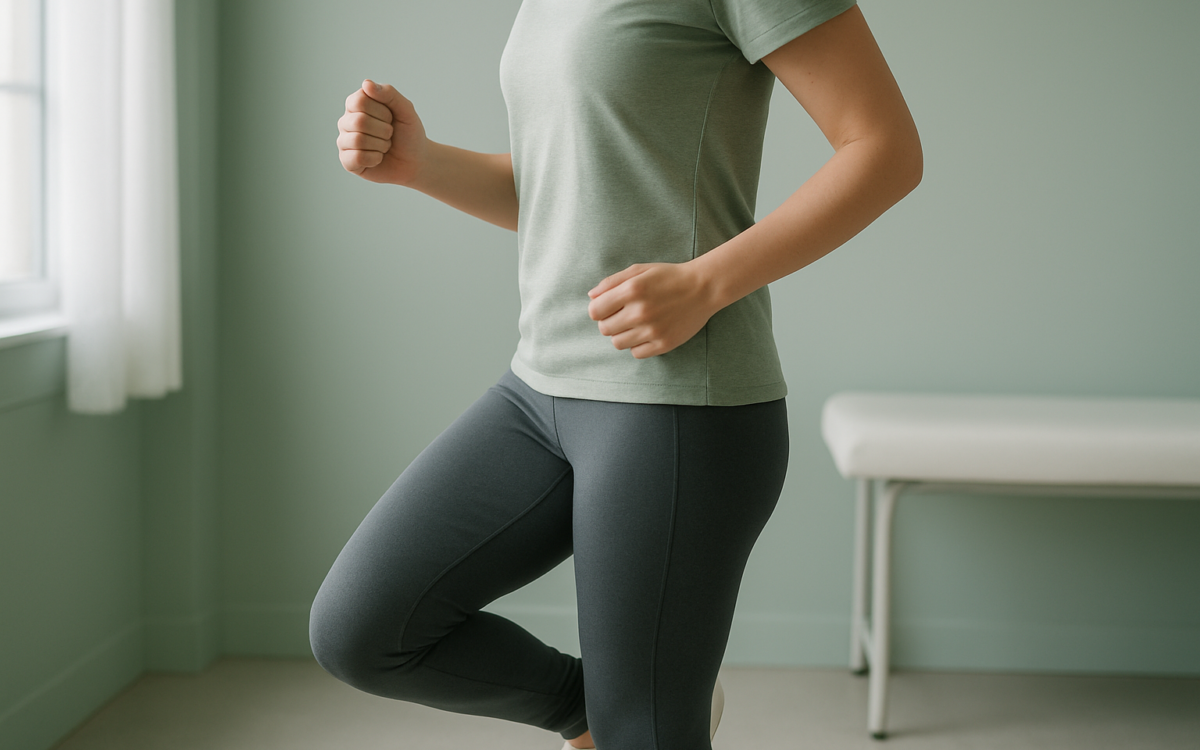
Walking is a natural and simple way to keep your body active. Whether you're at home, in the office, or traveling, you can engage in walking in place. But does this seemingly effortless activity really help burn calories? Let’s dive into the details!
Understanding Calorie Burning
To comprehend how walking in place can aid in burning calories, we must first understand what calories are. Calories are units of energy that our bodies use to perform various functions, from simple tasks like breathing to more strenuous activities like exercising. The number of calories burned varies based on several factors, including:
- Your weight: Heavier individuals typically burn more calories.
- Intensity of the activity: More vigorous activity results in greater calorie expenditure.
- Duration: The longer you engage in an activity, the more calories you burn.
How Walking in Place Works
Walking in place mimics the motions of walking but does not require much space. This exercise can be done while watching TV, talking on the phone, or even working at your desk. While it may seem less effective than walking outside or on a treadmill, it still engages multiple muscle groups in your legs, core, and even arms if you choose to move them.
Calorie Burn Estimates
Research indicates that walking in place does burn calories, though the exact amount depends on individual factors. Generally, a person weighing around 150 pounds can burn approximately 100 calories in about 30 minutes of moderate walking in place. If you weigh more, you might burn even more calories while doing the same activity. A study from the National Institutes of Health suggests that even low-intensity physical activities can positively impact your overall energy expenditure (NIH).
Incorporating Walking in Place into Your Routine
If you’re looking to add walking in place into your daily routine, here are some tips:
- Set a timer: Start with short intervals, like 5 minutes, and gradually increase to 30 minutes or more.
- Use music: Listening to upbeat music can keep you motivated while you move.
- Combine with arm movements: Use small weights or just pump your arms to increase intensity.
- Pair with a video: Follow along with an online walking video to keep things interesting.
The Benefits of Walking in Place
Aside from burning calories, walking in place offers a host of benefits:
- Convenience: This exercise can be performed anywhere, anytime—no need for special equipment.
- Improved mood: Physical activity, even at low intensity, can release endorphins, leading to better mental health.
- Joint-friendly: Walking is low-impact, making it suitable for individuals with joint concerns (Mayo Clinic).
- Increased circulation: Engaging in this activity can help improve blood flow and cardiovascular health.
Understanding Limitations
While walking in place can be a fun and engaging exercise, it may not be sufficient by itself for everyone. If you’re aiming for significant weight loss or fitness improvements, consider pairing it with other forms of exercise, such as strength training or more intense cardio workouts. Also, if you have any underlying health conditions, consult with your doctor before starting a new exercise regimen.
When to See a Doctor
If you experience unusual pain or discomfort while walking in place, or if you have chronic conditions that impede your ability to exercise, it's important to speak with a healthcare professional. They can provide personalized advice and help ensure that your exercise habits are safe and effective.
Conclusion
Walking in place is a viable option for those looking to incorporate more movement into their lives without needing much space or time. While it may not replace more vigorous activities, it definitely contributes to calorie burning and provides additional health benefits. Whether you’re a beginner or just looking for an accessible way to stay active, give walking in place a try!
