
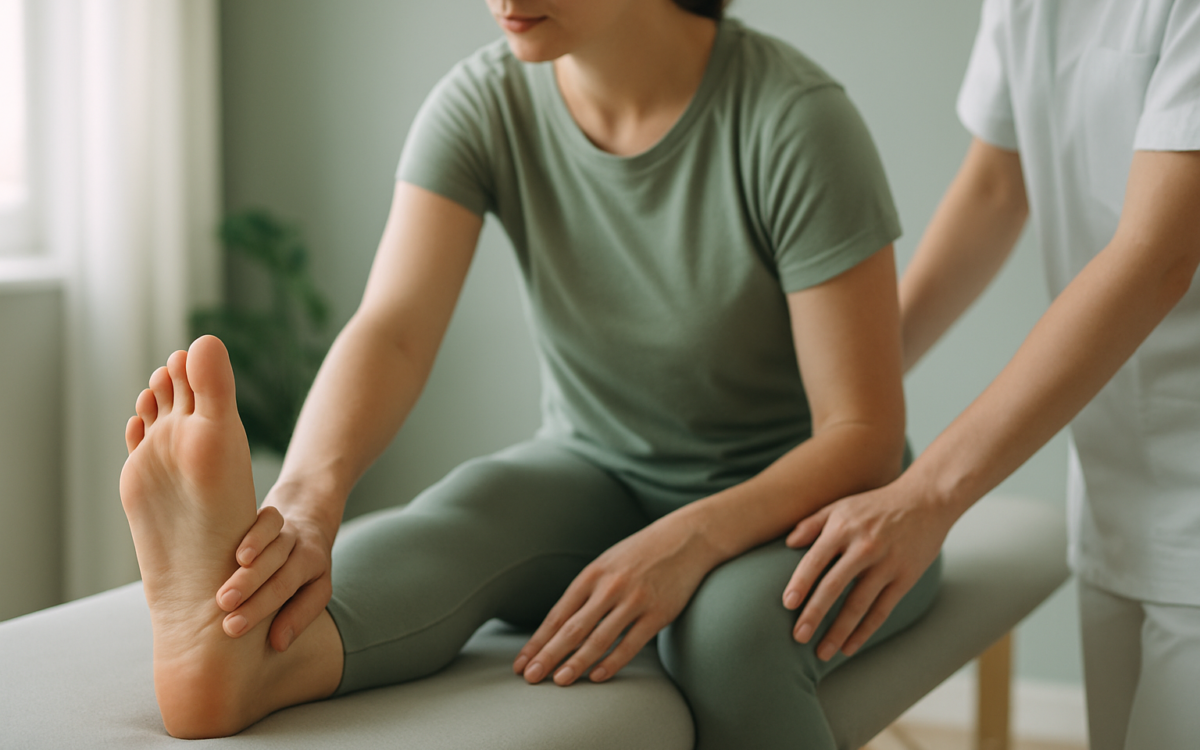
Sore muscles can be a common experience after a workout, a long day at work, or even just trying a new physical activity. While the discomfort is often a sign of your body adapting to physical stress, it doesn’t have to hold you back. Gentle stretching is an excellent way to alleviate this soreness, promote faster recovery, and maintain flexibility. Let’s explore how gentle stretching can benefit your sore muscles.
Understanding muscle soreness
Muscle soreness, particularly delayed onset muscle soreness (DOMS), usually occurs after unaccustomed exercise. It typically develops within 24 to 48 hours post-activity. This sensation results from microscopic tears in the muscle fibers, which then need time to recover and rebuild stronger. While slight discomfort is expected, it’s crucial to differentiate between regular soreness and pain that might indicate an injury.
The benefits of gentle stretching
Gentle stretching can offer several benefits for sore muscles:
- Improved blood circulation: Stretching enhances blood flow to the muscles, delivering nutrients and oxygen needed for recovery.
- Increased flexibility: Regular stretching helps maintain and increase your range of motion, reducing the risk of future injuries.
- Reduced tension: Stretching can alleviate tightness in the muscles, promoting relaxation and comfort.
- Enhanced muscle recovery: Incorporating gentle stretches into your routine can help speed up the healing process and lessen overall recovery time.
Effective gentle stretching techniques
When practicing gentle stretching, focus on slow movements and mindful breathing. Here are some techniques to consider:
1. Static stretching
This method involves holding a stretch for a period, usually between 15 to 30 seconds. Here are a few examples:
- Hamstring stretch: Sit on the floor with your legs extended. Reach for your toes while keeping your back straight. Hold the position.
- Shoulder stretch: Bring one arm across your chest and hold it with the opposite hand. Feel the stretch in your shoulder.
2. Dynamic stretching
Dynamic stretching involves moving parts of your body through a full range of motion slowly. This can be a great way to warm up muscles as well:
- Leg swings: Stand on one leg and swing the other leg forward and backward. Switch legs after ten swings.
- Arm circles: Extend your arms to the sides and make small circles, gradually increasing the size. Reverse the direction after 10–15 seconds.
3. Yoga and mindfulness
Incorporating yoga stretches can also be remarkably beneficial. Poses like child’s pose, cat-cow, and downward facing dog can gently alleviate tension and improve flexibility. These practices not only help stretch the muscles but also encourage mindfulness and relaxation.
When to stretch
The best times to stretch for muscle soreness are:
- After exercise: Spend 5 to 10 minutes stretching your muscles after a workout session to promote recovery.
- During rest days: Incorporating gentle stretching on days you don’t work out helps maintain flexibility and reduce soreness.
- In the morning: Stretching in the morning can wake up tight muscles and prepare them for the day ahead.
Tips for effective gentle stretching
Here are some tips to enhance your stretching routine:
- Warm-up first: Always warm up your muscles with light activity, such as walking or gentle movements, before stretching.
- Listen to your body: Stretch only to the point of tension, not pain. If something feels wrong, stop.
- Stay hydrated: Keeping your body well-hydrated can enhance elasticity in your muscles, making stretching more effective.
- Be consistent: Aim to incorporate gentle stretching into your routine regularly for lasting benefits.
When to see a doctor
While gentle stretching is generally safe, some situations do require professional attention. If you experience severe pain, swelling, or if the soreness doesn’t improve after a few days of gentle care, consult your doctor. They can help determine if there’s a more serious injury or condition that needs addressing.
Conclusion
Gentle stretching can be a soothing and effective way to manage sore muscles and enhance your overall physical well-being. By listening to your body and incorporating regular stretching into your routine, you can promote recovery, improve flexibility, and reduce tension. Remember, if soreness persists or worsens, it’s always a good idea to reach out to a healthcare professional for advice.
