
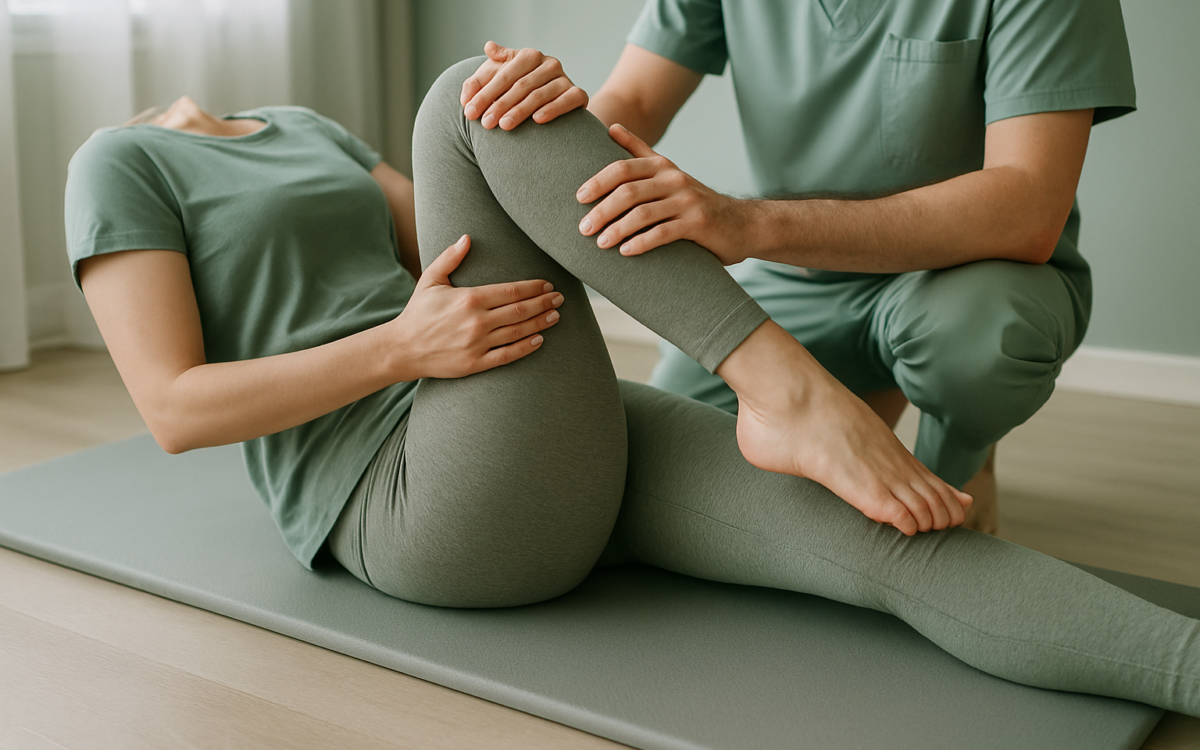
Hip joint pain is a common issue that can affect people of all ages. Whether caused by injury, arthritis, or just everyday wear and tear, discomfort in this area can make simple movements challenging. Thankfully, incorporating regular stretching exercises into your routine can greatly relieve tightness and improve your overall hip flexibility. In this article, we’ll explore some effective stretches geared toward providing relief for your hip joint pain.
Understanding Hip Joint Pain
Before diving into stretching exercises, it’s important to understand the nature of hip joint pain. The hip joint is a ball-and-socket joint that can be affected by various factors, including inflammation, injury, and muscle tightness. According to the National Institutes of Health, recognizing the causes of your pain can guide you in choosing suitable relief methods.
Benefits of Stretching for Hip Pain
Stretching has numerous benefits, especially for those experiencing hip pain. Regular stretching can enhance flexibility, reduce muscle tension, and improve blood flow to the area. This helps with overall mobility and can prevent the pain from returning. Moreover, a study published in a peer-reviewed journal highlighted that stretching can reduce stiffness, increasing the range of motion in the hip joint. Overall, integrating stretching into your routine can make daily activities much easier.
Simple Stretching Exercises for Hip Joint Pain
Here are some effective stretching exercises designed to help ease hip joint pain:
1. Hip Flexor Stretch
- Start by kneeling on your right knee with your left foot in front, creating a 90-degree angle.
- Gently shift your weight forward until you feel a stretch in your right hip flexor.
- Hold the stretch for 20-30 seconds and switch sides.
2. Pigeon Pose
- Begin on all fours, with your hands beneath your shoulders and knees below your hips.
- Bring your right knee forward and place it behind your right wrist.
- Extend your left leg back, keeping it straight while lowering your torso toward the ground.
- Hold for 20-30 seconds, and then switch sides.
3. Seated Butterfly Stretch
- Sit on the floor with your feet together, letting your knees fall to the sides.
- Hold your feet with your hands and gently push your knees down towards the floor for a deeper stretch.
- Maintain the position for 20-30 seconds while breathing deeply.
4. Figure Four Stretch
- Lie on your back and cross your right ankle over your left thigh.
- Grab the back of your left thigh and gently pull it towards your chest until you feel a stretch in your right hip.
- Hold for 20-30 seconds before switching to the other side.
5. Standing Quad Stretch
- Stand straight and grab your right ankle behind you with your right hand.
- Pull your heel towards your glutes while keeping your knees together.
- Hold the position for 20-30 seconds before switching legs.
Incorporating Stretches into Your Routine
To gain maximum benefit from these stretching exercises, incorporate them into your daily routine. You can start with a 5-10 minute session before or after your workouts, or even as part of your morning or evening routine. Consistency is key—aim to perform these stretches at least three times a week for effective results.
Listen to Your Body
While stretching is generally safe for most individuals, it’s important to listen to your body. If you feel any pain or discomfort during these stretches, stop immediately. Gradually increasing the intensity and duration of your stretches as your body adapts is crucial. Remember, it’s always wise to consult with a healthcare professional, especially if your hip joint pain persists or worsens.
When to See a Doctor
If hip joint pain persists despite regular stretching or becomes more severe, it may be time to consult a doctor. Additional symptoms such as swelling, significant bruising, or difficulty walking could indicate an underlying condition that needs medical attention. Your doctor can evaluate your symptoms and recommend appropriate treatment options including physical therapy, medication, or other interventions. Understanding when to seek help is important for your health and well-being.
In conclusion, hip joint pain can bring discomfort that hampers your daily activities. Integrating stretching exercises into your routine may help alleviate your pain and enhance your flexibility. Always approach stretching with care and consult with a healthcare professional when needed. By being proactive about your hip health, you can enjoy a more active and enjoyable life.
