
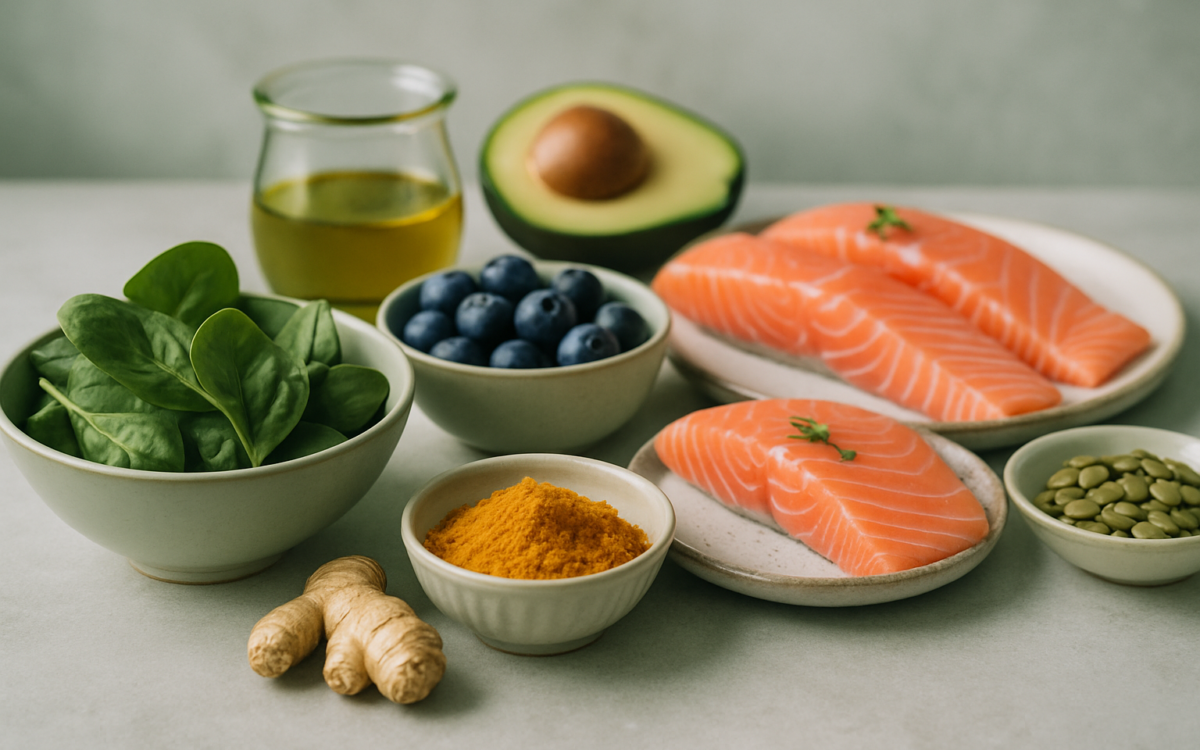
In today’s fast-paced world, many of us deal with chronic inflammation, which can silently affect our health. This low-grade inflammation has been linked to various conditions, including heart disease, diabetes, and even some cancers. But did you know that your meals can play a vital role in managing this inflammation? By incorporating anti-inflammatory foods into your diet, you can support your overall health and well-being.
What are anti-inflammatory foods?
Anti-inflammatory foods are those that can help reduce inflammation in the body, potentially lowering the risk of chronic diseases. These foods are typically rich in antioxidants, vitamins, and fiber while being low in unhealthy fats and sugars. When you eat these foods regularly, you may help your body maintain a balanced inflammatory response, which is crucial for long-term health.
Fruits and vegetables: The colorful warriors
One of the best things you can do for your health is to fill your plate with a rainbow of fruits and vegetables. These colorful foods are packed with antioxidants and other beneficial compounds that fight inflammation. Here are some top choices:
- Berries: Blueberries, strawberries, and raspberries are high in vitamins and antioxidants.
- Leafy greens: Spinach, kale, and Swiss chard are rich in nutrients and support immunity.
- Citrus fruits: Oranges, lemons, and grapefruits provide vitamin C and other anti-inflammatory compounds.
- Cruciferous veggies: Broccoli, Brussels sprouts, and cauliflower contain sulforaphane, which is known for its anti-inflammatory effects.
Healthy fats: Cooking with care
Not all fats are created equal. While some fats can contribute to inflammation, others, particularly those found in healthy oils and fish, can help combat it. Here are some key players:
- Olive oil: Extra virgin olive oil is rich in monounsaturated fats and antioxidants, making it a great anti-inflammatory option.
- Avocados: This creamy fruit is loaded with healthy fats and beneficial plant compounds that help fight inflammation.
- Fatty fish: Salmon, mackerel, and sardines are high in omega-3 fatty acids, which are known for their powerful anti-inflammatory properties. These are essential fats that your body can’t produce on its own, so it’s crucial to get them through your diet.
Whole grains: Choose wisely
Whole grains are another important aspect of an anti-inflammatory diet. Unlike their refined counterparts, whole grains retain their nutrients and fiber, which helps support a healthy gut and balanced inflammation levels. Consider these options when selecting grains:
- Brown rice: A whole grain alternative to white rice, brown rice is higher in nutrients and fiber.
- Quinoa: This protein-packed grain is gluten-free and rich in antioxidants.
- Oats: Rolled or steel-cut oats are not only a delicious breakfast but also provide soluble fiber that can help reduce inflammation.
Spices and herbs: Nature’s powerhouses
Many spices and herbs are not only tasty but also have potent anti-inflammatory properties. Here are a few to add flavor and health benefits to your meals:
- Tumeric: This bright yellow spice contains curcumin, which is known for its anti-inflammatory effects.
- Ginger: Often used for its warming properties, ginger can also help reduce muscle and joint inflammation.
- Garlic: This aromatic ingredient does more than add flavor; it’s been shown to enhance immune function and fight inflammation.
Beans and legumes: Smart sources of protein
If you’re interested in plant-based proteins, beans and legumes are a fantastic choice. These foods are high in fiber and low in fat, which are crucial for maintaining a healthy weight and reducing inflammation. Examples include:
- Lentils: Packed with protein, fiber, and several key vitamins.
- Chickpeas: These versatile legumes can be used in salads, soups, or blended into hummus.
- Black beans: Rich in antioxidants and fiber, they can be added to many dishes for a nutritional boost.
When to see a doctor
If you experience persistent symptoms of inflammation, such as joint pain, fatigue, or digestive issues, it’s essential to consult a healthcare professional. Chronic inflammation can manifest differently in each person, and your doctor can help identify the underlying causes and recommend appropriate treatment options. Additionally, before making significant dietary changes, it’s always a good idea to discuss your plans with a healthcare provider.
Conclusion
Incorporating anti-inflammatory foods into your diet is an empowering way to support your health. By focusing on colorful fruits and vegetables, healthy fats, whole grains, and flavorful spices, you can help combat inflammation while enjoying delicious meals. Remember to consult with your doctor before making any major changes to your diet or lifestyle, especially if you have underlying health conditions. Eating well is not just about avoiding unhealthy foods—it’s about embracing the plethora of nourishing options available to you.
