
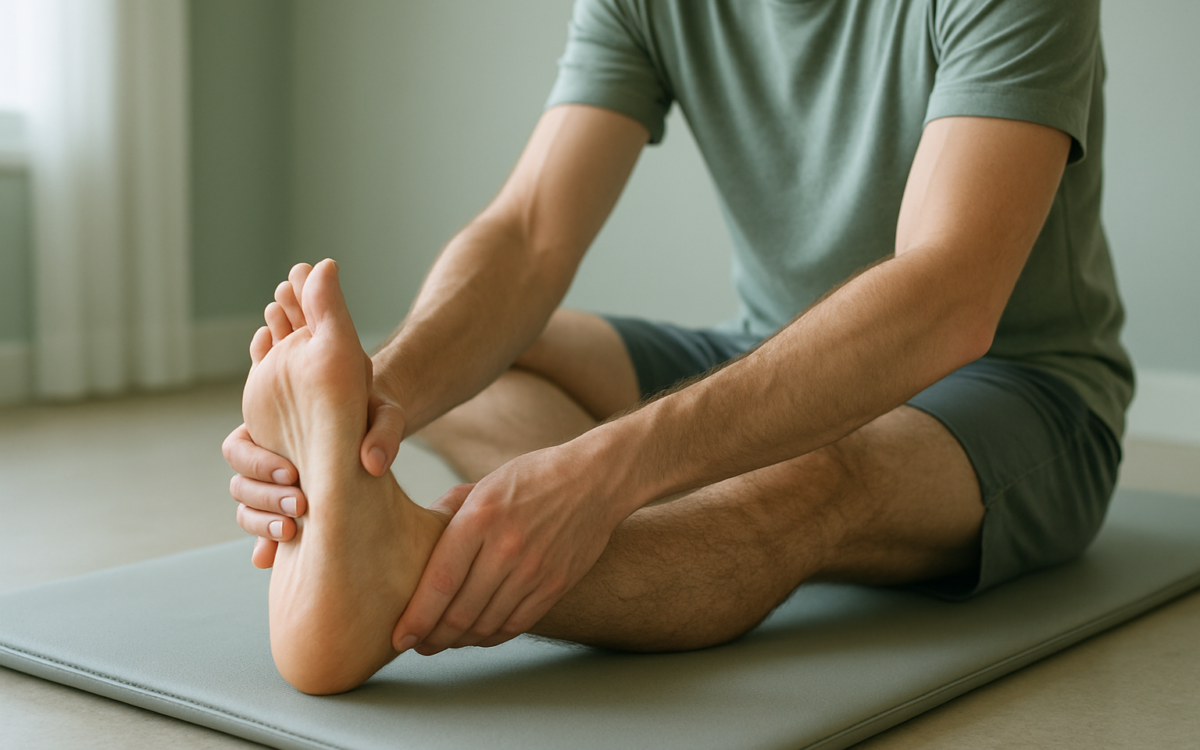
Shin splints, or medial tibial stress syndrome, are a common complaint among runners, dancers, and athletes involved in high-impact sports. These injuries, characterized by pain along the shin bone, can derail your training and affect your performance. Fortunately, incorporating effective stretching exercises into your routine can help alleviate pain and improve flexibility in the lower leg. In this article, we’ll explore several stretches designed specifically for shin splints, helping you get back on your feet safely and comfortably.
Understanding Shin Splints
Before diving into the stretches, it’s helpful to understand what shin splints are and their causes. This condition occurs when the muscles, tendons, and bone tissue around the shin become inflamed, often due to overuse, improper footwear, or biomechanical issues like flat feet or high arches. The resulting pain can make running or even walking difficult.
The Importance of Stretching
Stretching not only improves flexibility but also aids in muscle recovery, reduces tension, and can prevent injuries. When the muscles in your legs are flexible, they are less susceptible to injury and can better handle the strains of your activities. Regular stretching can play a crucial role in your overall fitness and well-being.
Effective Shin Splint Stretches
Now, let’s look at specific stretches that can help relieve shin splint pain:
1. Calf Stretch
The calf muscles directly impact the healing process of shin splints. Stretching them can relieve tension along your shins.
- Stand facing a wall with your arms extended.
- Place one foot behind the other, keeping the back leg straight and the heel on the ground.
- Lean forward while bending your front knee until you feel a gentle stretch in the calf of the back leg.
- Hold for 15-30 seconds and switch legs. Repeat 2-3 times.
2. Toe Taps
This stretch focuses on the muscles in your lower leg, providing relief and flexibility.
- Sit on a chair with your feet flat on the floor.
- With your heels resting on the ground, lift your toes toward the ceiling.
- Hold for 2-3 seconds then lower.
- Repeat 10-15 times for each foot.
3. Seated Shin Stretch
This stretch targets the tibialis anterior, the muscle that is often tight in individuals with shin splints.
- Sit on the floor with your legs extended in front of you.
- Bend your right knee and tuck it toward your chest while keeping the left leg straight.
- Gently pull your toes on the left leg back towards your body until you feel a stretch in your shin.
- Hold for 15-30 seconds. Switch sides and repeat.
4. Standing Quad Stretch
While primarily focused on the thighs, stretching the quadriceps helps support overall leg flexibility.
- Stand on one foot and pull the opposite foot toward your glutes using your hand.
- Keep your knees close together and push your hips slightly forward.
- Hold for 15-30 seconds before switching to the other leg.
5. Ankle Circles
Engaging in range of motion exercises like ankle circles can enhance flexibility and circulation in your feet and shins.
- Sit down and extend one leg straight out in front of you.
- Rotate your ankle clockwise for 10-15 seconds, then counterclockwise for another 10-15 seconds.
- Repeat with the opposite ankle.
Incorporating Stretches into Your Routine
To maximize the effectiveness of your stretches, consider incorporating them into your pre- and post-workout routines. Warming up before stretching is essential; engage in light cardio for about 5-10 minutes to get your blood flowing. After your workout, take time to cool down and perform these stretches to help maintain flexibility and prevent stiffness.
When to See a Doctor
While stretching can be beneficial, it’s important to know when to seek professional help. If your shin splint pain persists despite stretching and rest, worsens over time, or is accompanied by swelling or severe discomfort, consult a healthcare provider. Conditions like stress fractures or compartment syndrome may require different treatment approaches. For more information on recognizing when to seek care, visit Mayo Clinic.
Conclusion
Shin splint stretches can be an essential part of managing and preventing pain associated with this common ailment. By focusing on flexibility, you can support your running and fitness routine while minimizing the risk of injury. Always consult with a doctor if you have concerns about your symptoms or if the pain persists. Remember, consistency is key; with time and effort, you can strengthen your legs and enjoy running once again.
