
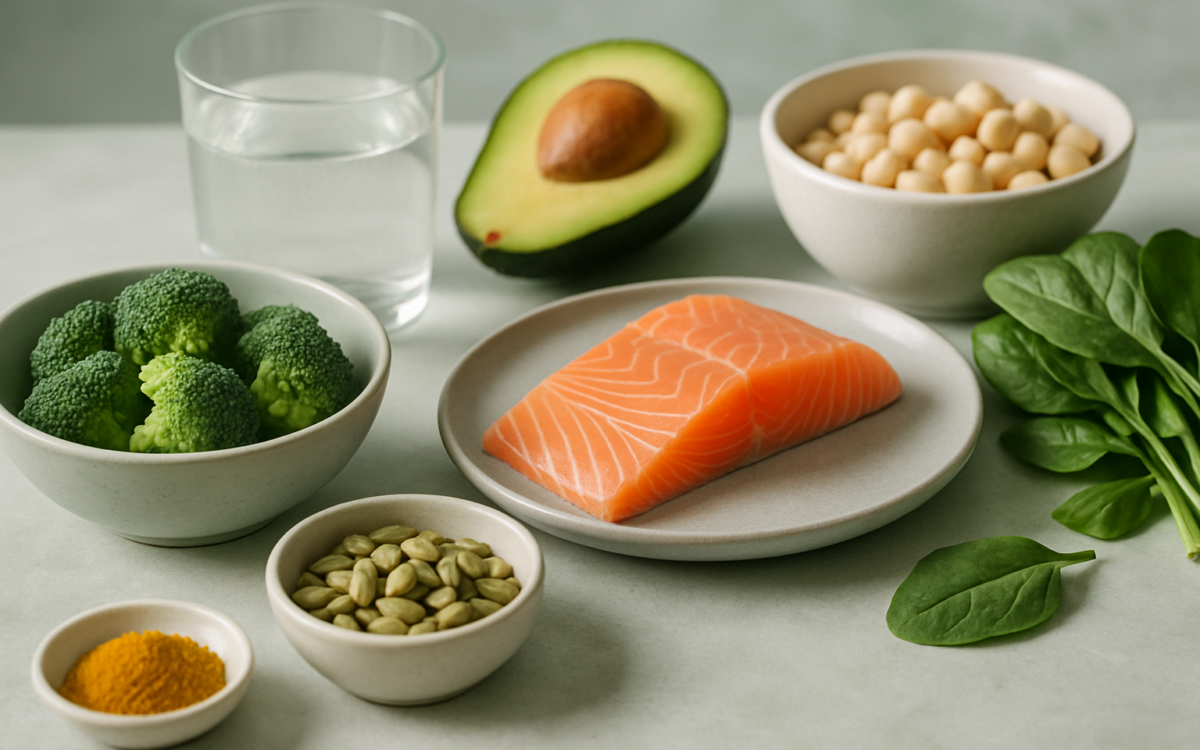
In today’s fast-paced world, inflammation has become a common issue that many people face. It’s your body’s natural response to fight off disease and heal from injuries. However, chronic inflammation can lead to various health problems like heart disease, diabetes, and arthritis. Fortunately, the foods we eat can play a significant role in managing inflammation. This article will explore the top low-inflammation foods that you can easily incorporate into your daily diet for improved health.
Understanding Inflammation
Before diving into specific foods, it’s important to understand what inflammation is. Inflammation is a complex biological response of body tissues to harmful stimuli, such as irritants, pathogens, or damaged cells. While acute inflammation is a beneficial response, chronic inflammation can be detrimental to your health. It has been linked to several chronic diseases and conditions, including obesity, cancer, and autoimmune disorders. According to the National Institutes of Health, managing inflammation through lifestyle changes can lead to better long-term health outcomes.
Low Inflammation Foods to Include
Now that we understand the role of inflammation, let’s explore the foods that can help to reduce it.
1. Fruits and Vegetables
Fruits and vegetables are packed with antioxidants, vitamins, and minerals that fight inflammation. Berries, such as blueberries, strawberries, and blackberries, are particularly high in antioxidants. Leafy greens like spinach and kale are also excellent choices. Incorporating a variety of colors on your plate not only makes meals visually appealing but ensures you’re receiving a broad spectrum of nutrients.
2. Whole Grains
Whole grains like brown rice, quinoa, and whole wheat bread contain fiber, which is essential for gut health. A healthy gut can reduce inflammation by supporting good bacteria growth. Studies suggest that a diet rich in whole grains may help lower the risk of heart disease and improve gut health, according to the Mayo Clinic.
3. Healthy Fats
Not all fats are created equal. Healthy fats, such as those found in olive oil, nuts, and fatty fish, can help reduce inflammation. Omega-3 fatty acids, commonly found in salmon, mackerel, and walnuts, are known for their anti-inflammatory properties. If you’re looking for a cooking oil, extra virgin olive oil is a great choice due to its high antioxidant content.
4. Nuts and Seeds
Nuts and seeds are nutrient-dense foods that can be a great addition to your diet. Almonds, walnuts, and chia seeds are particularly beneficial for their healthy omega-3 fats and fiber. Studies have shown that regularly consuming nuts can lower levels of inflammation and may even improve cholesterol levels.
Foods to Limit
While there are many foods that can help reduce inflammation, there are also foods that can contribute to it. Here are some common culprits:
- Processed and refined sugars
- Trans fats
- White bread and pastries
- Excessive alcohol
- Processed meats
Based on research from the World Health Organization, limiting these foods can significantly impact your overall health and reduce inflammation levels.
Tips for a Low-Inflammation Diet
Transitioning to a low-inflammation diet may seem overwhelming at first, but it doesn’t have to be. Here are some practical tips to help you get started:
- Cook More at Home: Preparing meals at home allows you to control the ingredients and make healthier choices.
- Plan Your Meals: Meal planning can help you stay on track and avoid the temptation of processed foods.
- Focus on Variety: Aim to include a diverse range of foods in your diet to ensure you’re getting all the nutrients your body needs.
- Stay Hydrated: Drinking plenty of water helps keep your body functioning optimally.
When to See a Doctor
If you’re experiencing chronic inflammation symptoms, such as persistent fatigue, pain, or fever, it’s essential to consult a healthcare professional. They can help determine the underlying cause and create a suitable plan for managing your health.
Conclusion
Incorporating low-inflammation foods into your diet can be a powerful way to promote overall health and prevent chronic disease. Focus on fruits, vegetables, whole grains, healthy fats, and nuts while limiting foods that can heighten inflammation. Remember, small changes can lead to significant health benefits. Always consult with a healthcare provider when making substantial dietary changes or if you have specific health concerns.
