
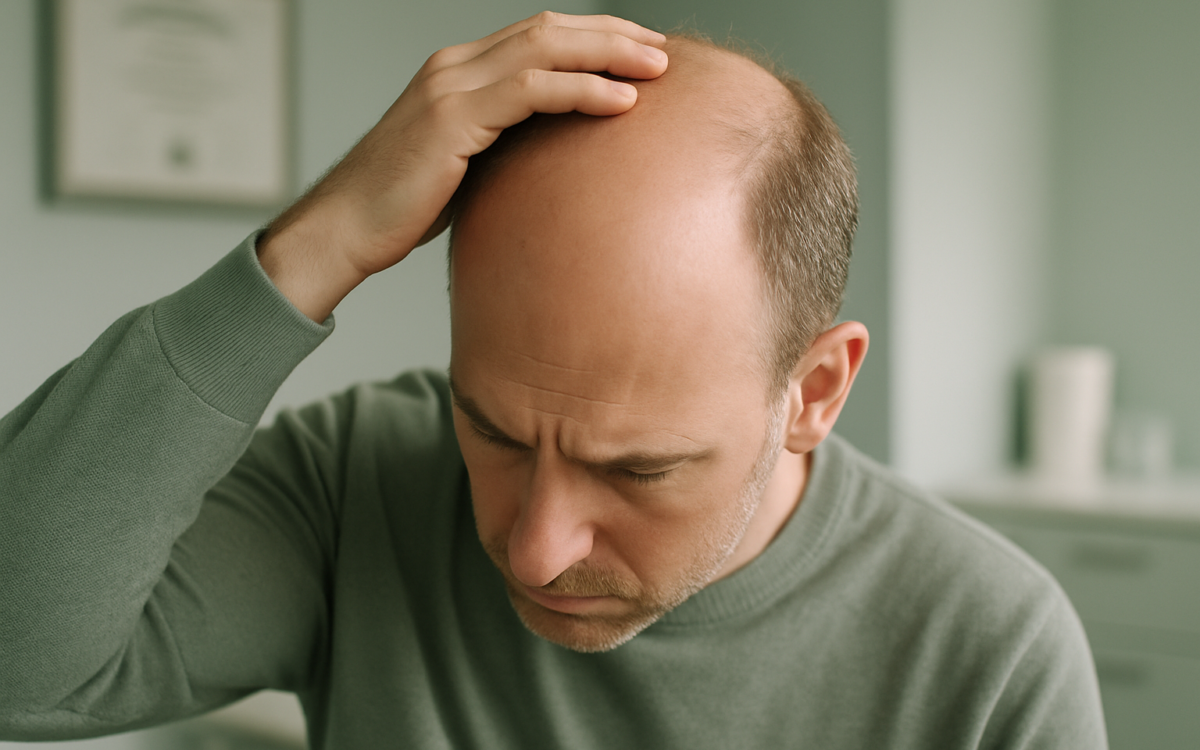
As men age, many experience a common yet challenging issue: hair loss. For some, this process is part of life, while for others, it can feel overwhelming. If you’re one of the many balding men, it’s important to understand that you are not alone. In this guide, we’ll explore the causes of hair loss, ways to cope, grooming tips, and even options for treatment.
Understanding Hair Loss
Before you can effectively deal with hair loss, it’s beneficial to understand what causes it. Male pattern baldness, or androgenetic alopecia, is the most common reason for hair loss among men and is often hereditary. According to the National Institutes of Health, it’s caused by a combination of genetic factors and hormones.
Other factors include:
- Stress: Emotional or physical stress can lead to temporary hair loss.
- Medical Conditions: Thyroid disorders, alopecia areata, and other conditions can contribute.
- Medications: Some drugs, particularly those for cancer, arthritis, and depression, may have hair loss as a side effect.
Embracing the Change
Accepting the reality of hair loss can be challenging but is crucial. Many men feel a loss of self-esteem as they notice thinning hair or bald spots. Remember, your worth is not defined by your hair. Embracing changes to your appearance can empower you.
It might help to connect with others who are undergoing the same process. Support groups or online communities can provide encouragement and valuable insights. Sharing stories and experiences can make a significant difference in how you perceive your situation.
Grooming Tips for the Balding Man
Healthy grooming habits can enhance your appearance and boost your confidence. Here’s how to care for your hair and scalp as you navigate hair loss:
- Keep it clean: Regular washing can keep your scalp healthy, regardless of hair length.
- Use sunscreen: If you’re thinning, consider applying sunscreen to your scalp when outdoors to prevent sunburn.
- Explore hairstyles: Different styles can work better to hide thinning areas. Buzz cuts, for example, are popular among balding men.
Consider consulting a professional barber who understands your hair texture and can provide personalized advice.
Treatment Options for Hair Loss
If you’re looking to explore treatments for hair loss, there are several options available:
- Medications: Over-the-counter and prescription treatments, such as minoxidil (Rogaine) and finasteride (Propecia), can help some men slow down hair loss or even regrow hair. However, these medications come with potential side effects, so a consultation with your doctor is essential.
- Hair Transplant Surgery: For some, hair transplants can be a more permanent solution. These procedures involve moving hair follicles from one part of the body to the balding area.
- International treatment options: If you’re considering hair restoration, many men seek care abroad. Clinics offering specialized services can be more affordable. Check out international patient services for information on hair restoration treatments worldwide.
Speak with a healthcare provider to determine which treatment options might be most appropriate for your unique circumstances.
The Psychological Impact of Hair Loss
Hair loss can affect self-esteem and body image significantly. It’s normal to feel anxious or sad about these changes. Recognizing these feelings is the first step toward addressing them. Here are several strategies:
- Talk about it: Sharing your feelings with friends or a counselor can help you process your emotions.
- Focus on positivity: Highlight the features you love about yourself that aren’t related to hair.
- Adopt a new look: Experiment with different styles or grooming habits to find what works for you.
Self-acceptance takes time, but remember that many find new levels of confidence through self-expression and personal style, despite hair loss.
When to See a Doctor
If you notice sudden hair loss, bald patches, or excessive shedding, it’s crucial to consult a healthcare provider. They can help determine the underlying cause and suggest appropriate treatments or interventions. Early intervention is often key to managing hair loss effectively.
In conclusion, being a balding man presents both challenges and opportunities. By understanding the causes, embracing the change, and exploring options for treatment, you can navigate this journey with confidence. Remember, who you are is more than your hair; it’s about how you embrace yourself in the face of change.
