
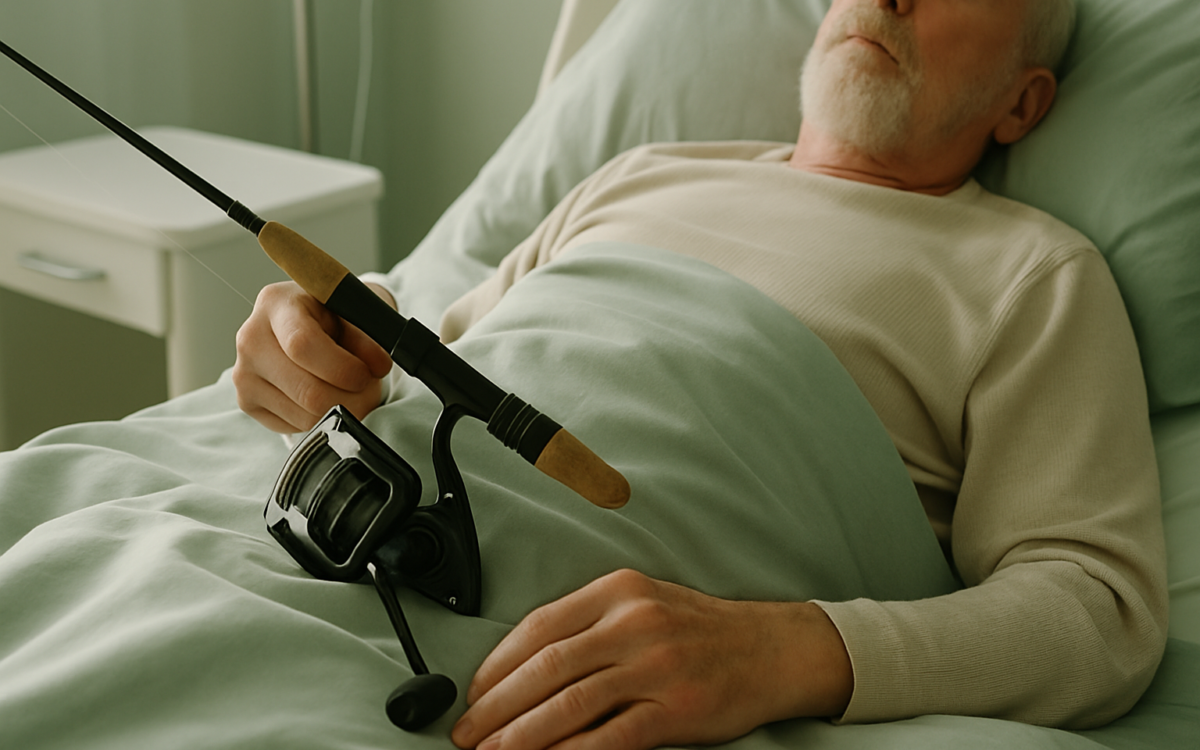
When we think about life and its fleeting nature, it is easy to reflect on the moments we cherish the most. Often, these moments are tied to what we love to do, whether it’s painting, gardening, hiking, or simply spending time with family. It brings a sense of comfort to imagine that when someone we care about passes away, they went doing something they enjoyed. This comforting thought can be a source of strength for those left behind, serving as a reminder of the joy their loved one found in life.
The Power of Pursuing Passions
Pursuing a passion can transform our experiences and interactions. Whether it’s a hobby, sport, or creative endeavor, engaging in activities we love can positively impact our mental and physical health. Research indicates that participating in enjoyable activities can significantly boost our mood, enhance our well-being, and even extend our life expectancy. For example, studies show that individuals who actively engage in hobbies are generally happier and less stressed compared to those who do not.
Creating Lasting Memories
When someone passes away, we often cling to memories that highlight their passions. These recollections can be powerful and comforting. Perhaps it was a grandmother who loved gardening, sharing her latest blooms during family gatherings, or an uncle who found joy in fishing every weekend. These lighthearted moments can help us celebrate their life and the joy they brought to others.
Finding Comfort in Loss
Grief is an incredibly personal experience, and the way we cope varies from person to person. Reflecting on a loved one’s passions can help ease the pain of loss. For example, instead of solely focusing on grief, one might choose to plant a garden in honor of a loved one who cherished gardening. Such acts not only honor their memory but also remind us of the joy they experienced while doing what they loved. This can be an important part of the healing process.
The Legacy of Passion
Within our communities, the passions people develop not only shape their identities but can also create legacies that live on. When someone finds joy in what they do, it often inspires those around them to pursue their own passions. For instance, a teacher who is passionate about art can ignite creativity in students, leading them to explore their own artistic abilities. The ripple effect of pursuing passions can create a more vibrant, enthusiastic community.
Encouraging Greater Engagement
Understanding the importance of pursuing passions doesn’t just hold significance for individuals facing end-of-life situations; it is equally vital for everyone, regardless of age. Engaging in enjoyable activities can alleviate stress, promote social connections, and enhance overall health. This is especially crucial for older adults, who may sometimes feel isolated. Engaging in community activities, classes, or group sports can dramatically improve quality of life.
Making Time for What We Love
In today’s fast-paced world, taking time for our passions can feel like a luxury we can’t afford. However, prioritizing joyful activities can help create balance in our lives. Scheduling time for hobbies, whether it’s reading, crafting, or physical activities, can improve our mood and well-being. Moreover, engaging in these activities can strengthen our relationships with others, fostering deeper connections through shared interests.
Tips to Embrace Your Passions
- Schedule it: Treat your hobbies and passions like appointments to ensure you prioritize them.
- Try something new: Stepping outside your comfort zone can lead to discovering new passions.
- Share the joy: Invite friends or family to join you in activities to build shared experiences.
- Reflect on your interests: Take time to notice what inspires or excites you, and pursue those interests.
When to See a Doctor
If you or someone you care about is experiencing prolonged feelings of sadness or a lack of interest in activities, it may be beneficial to consult with a healthcare professional. Emotional and mental well-being is crucial for overall health, and seeking support can be an essential step in managing life’s challenges. The CDC outlines various resources and therapies that can assist individuals in navigating difficult emotions.
In conclusion, the idea that “at least they went doing something they enjoyed” can provide a beacon of comfort during times of grief. It reminds us of life’s preciousness and the happiness found in pursuing our passions. Embracing our interests not only enriches our lives but can also create lasting legacies that resonate within our families and communities. Let us remember to find joy in what we love and encourage others to do the same, for it is in these moments that we truly live.
