
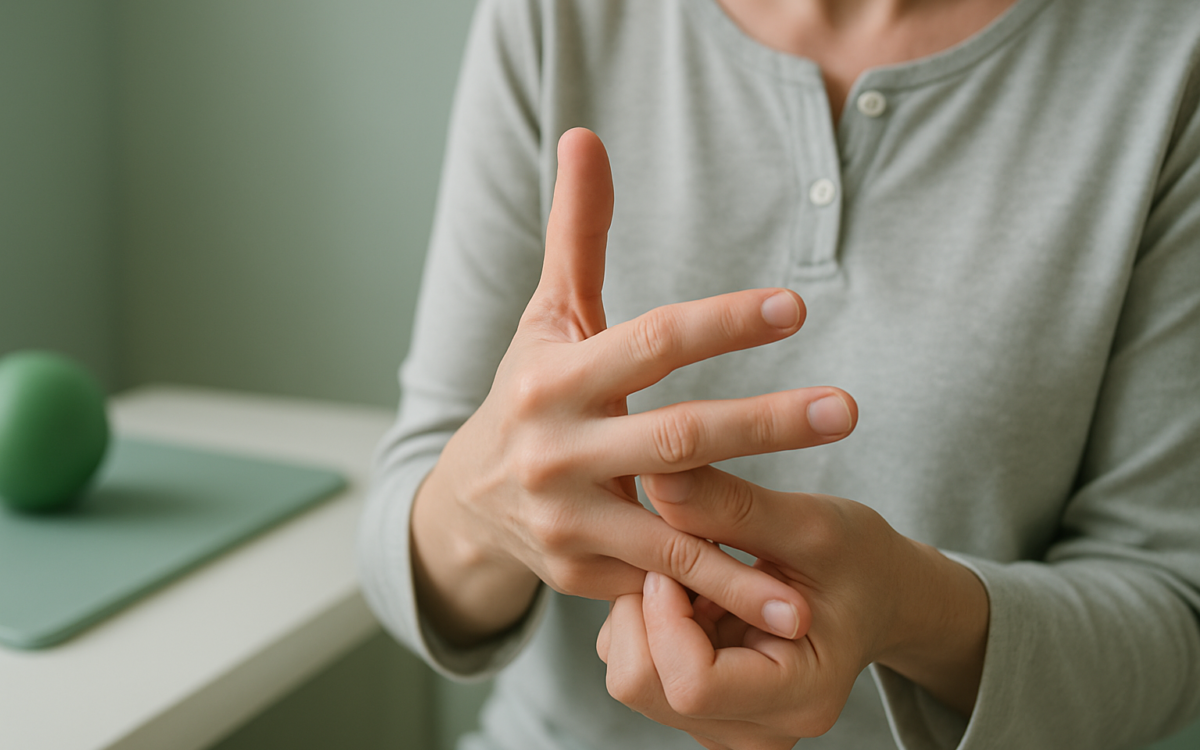
Trigger finger, also known as stenosing tenosynovitis, can make daily tasks frustrating and painful. This condition occurs when the tendons in your fingers become irritated or inflamed, leading to stiffness and difficulty in movement. Fortunately, there are several exercises designed to help manage symptoms and improve hand function. Here’s a closer look at what trigger finger is, exercises to alleviate symptoms, and when to seek medical advice.
Understanding Trigger Finger
Before diving into exercises, it’s essential to understand what trigger finger is. This condition typically affects the tendons that flex your fingers. When these tendons become inflamed, they can cause your finger to catch or lock in place, making it difficult to straighten your finger. This can be painful and may impact your ability to perform simple tasks.
Benefits of Exercise for Trigger Finger
Engaging in targeted exercises can enhance flexibility, reduce stiffness, and relieve pain associated with trigger finger. Regular movement encourages blood flow to the affected area, promoting healing and decreasing inflammation. Before starting any exercise program, consult with a healthcare professional to ensure the exercises are suitable for your specific situation.
1. Finger Stretch
This simple exercise aims to improve flexibility in your fingers:
- Start by holding your hand out in front of you, palm up.
- With your other hand, gently pull back the fingers at the base, extending them fully.
- Hold for about 15-30 seconds, then release.
- Repeat this process 3-5 times for each finger.
This exercise helps stretch the tendons and can reduce stiffness.
2. Fist Clench
This exercise promotes both strength and flexibility:
- Begin with your hand open, fingers extended.
- Slowly curl your fingers downward into a fist.
- Hold the fist position for 5 seconds, then slowly release back to an open hand.
- Repeat 10 times to gain strength and flexibility.
Be cautious not to overstrain—only clench as tightly as comfortable.
3. Tendon Gliding
Tendon gliding exercises help promote healthy tendon movement:
- Start with your fingers extended.
- Bend your top and middle joints while keeping your palm flat (table top position).
- Transition to a full fist without thumb involvement, and then relax back to the starting position.
- Perform this movement slowly 10 times.
Tendon gliding helps maintain your fingers’ range of motion and reduces stiffness.
4. Thumb Stretch
Your thumb’s flexibility is crucial for hand function. This stretch can help:
- Hold your hand in front of you, palm facing up.
- Using your other hand, gently pull your thumb back towards your wrist.
- Hold for 15-30 seconds, then relax.
- Repeat 2-3 times.
This stretch aids in improving thumb mobility and can relieve tightness.
5. Rubber Band Stretch
This exercise uses a rubber band to strengthen the fingers:
- Place a rubber band around your fingers, sitting flat on a table.
- Slowly open your fingers against the resistance of the band.
- Hold for a few seconds, then relax.
- Repeat 10-15 times to build strength.
The resistance provided by the band is beneficial for strengthening affected tendons.
6. Heat and Cold Therapy
In addition to the above exercises, utilization of heat and cold therapy can aid in relief:
- Applying a warm compress helps increase blood flow and relaxes muscles.
- Using an ice pack can decrease inflammation and numb the area if you experience pain.
Consider alternating between heat and cold treatments for optimum relief.
When to See a Doctor
While exercises can help, it’s essential to know when to seek medical guidance. If you experience persistent or worsening symptoms, such as significant pain, swelling, or inability to use your finger, consult a healthcare provider. They may recommend additional treatments like corticosteroid injections or splinting to improve your condition. For more information on the signs and symptoms of trigger finger, you can visit Mayo Clinic.
Conclusion
Incorporating trigger finger exercises into your routine can significantly improve finger function and reduce pain. Remember to take things slowly and listen to your body. Consistency is key, but don’t hesitate to consult your doctor if you’re unsure about your symptoms or need a tailored exercise plan. By taking these steps, you can empower your hands and enhance your quality of life.
