
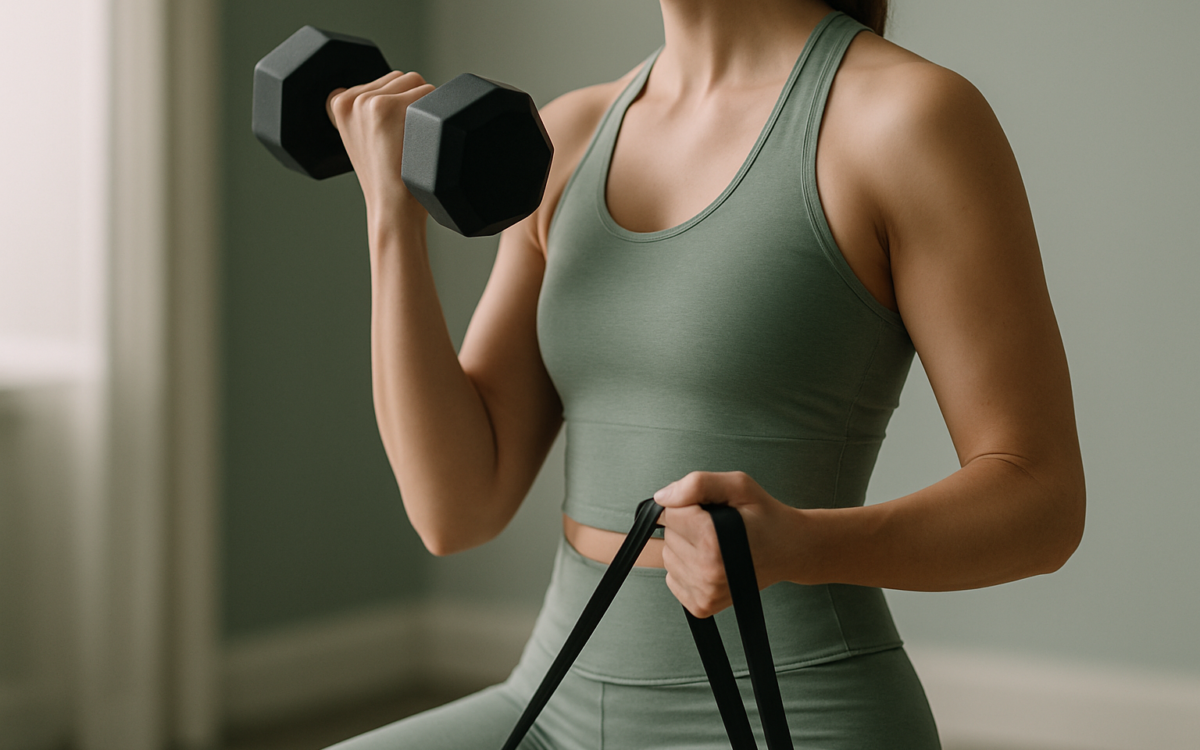
In recent years, strength and resistance training for women has gained popularity, and for good reason. Moving beyond outdated stereotypes that weightlifting is just for men, more women are discovering the benefits of strength training. This form of exercise not only builds muscle but also enhances mental resilience, promotes better health, and can transform how women see themselves.
What is Strength and Resistance Training?
Strength training involves exercises that improve your muscle strength and endurance. Resistance training is a specific form of strength training where you work against an opposing force, such as weights, resistance bands, or your own body weight. Both types of training can be incredibly beneficial for women of all ages.
The Health Benefits of Strength Training
Engaging in regular strength and resistance training offers a wealth of health benefits:
- Increased Muscle Mass: As we age, we naturally lose muscle mass. Strength training can help maintain and even increase it. The more muscle you have, the more calories you burn, even at rest.
- Bone Health: Weight-bearing exercises strengthen bones and reduce the risk of osteoporosis, which is particularly important for women.
- Improved Metabolism: Building muscle boosts your metabolic rate, which can help with weight management and overall energy levels.
- Enhanced Mental Health: Exercise releases endorphins, which can improve mood and reduce symptoms of anxiety and depression.
- Better Posture and Balance: Strengthening core and back muscles can improve posture, stability, and reduce the risk of falls.
How to Get Started with Strength Training
If you’re new to strength training, here are some steps to help you begin:
1. Set Realistic Goals
Define what you want to achieve: whether it’s building muscle, enhancing endurance, or improving overall fitness. Setting specific, measurable goals can help keep you motivated.
2. Choose Your Method
You can engage in strength training using different methods:
- Free Weights: Dumbbells and barbells allow for versatile workouts that engage multiple muscle groups.
- Weight Machines: These provide more guidance and are often safer for beginners.
- Body Weight Exercises: Push-ups, squats, and lunges use your weight as resistance.
- Resistance Bands: These are portable, affordable, and perfect for at-home workouts.
3. Develop a Balanced Routine
A well-rounded strength training program should target all major muscle groups: legs, arms, back, chest, shoulders, and core. Aim to train at least two to three times per week, allowing at least a day of rest between sessions for the same muscle groups.
4. Start Slowly
Begin with lighter weights or resistance bands to master the correct form before gradually increasing the load. It’s essential to listen to your body and avoid overdoing it at the start.
Common Myths About Women and Strength Training
Many misconceptions exist about women and strength training, which often discourage women from participating. Here are a few myths addressed:
Myth #1: Women Will Get Bulky
Women typically do not produce enough testosterone to develop large muscles like men do. Instead, strength training helps tone and define muscles.
Myth #2: Cardio is Enough
While cardiovascular exercise is great for heart health, strength training is essential for balanced fitness. It complements cardio and helps in shaping your body.
Myth #3: Strength Training is Only for Young Women
Women of any age can benefit from strength training. Older women, in particular, can significantly improve bone density and prevent frailty.
What to Expect: Progress and Tips
As you embark on your strength training journey, it’s essential to remember that progress takes time. You may experience:
- Improvement in Strength: Gradual increases in the amount of weight or resistance you can handle show progress.
- Better Endurance: Daily activities may become easier as you gain strength.
- Heightened Confidence: With physical changes, many women report feeling more empowered and confident.
To stay on track, consider these tips:
- Keep a workout journal to track weights, sets, and reps.
- Seek guidance from a certified trainer if you’re unsure about proper form.
- Find a workout partner for motivation and support.
When to See a Doctor
If you have any health concerns or existing conditions, it’s important to consult with a healthcare professional before starting any new exercise program. Pay attention to your body: if you experience acute pain, swelling, or persistent discomfort while working out, consult your doctor.
Conclusion
Strength and resistance training for women is not just about physical changes; it’s a pathway to improved overall health, confidence, and well-being. By embracing this form of exercise, women can dramatically enhance their quality of life and empower themselves in so many ways. Remember to start slowly, be consistent, and celebrate your progress every step of the way.
