
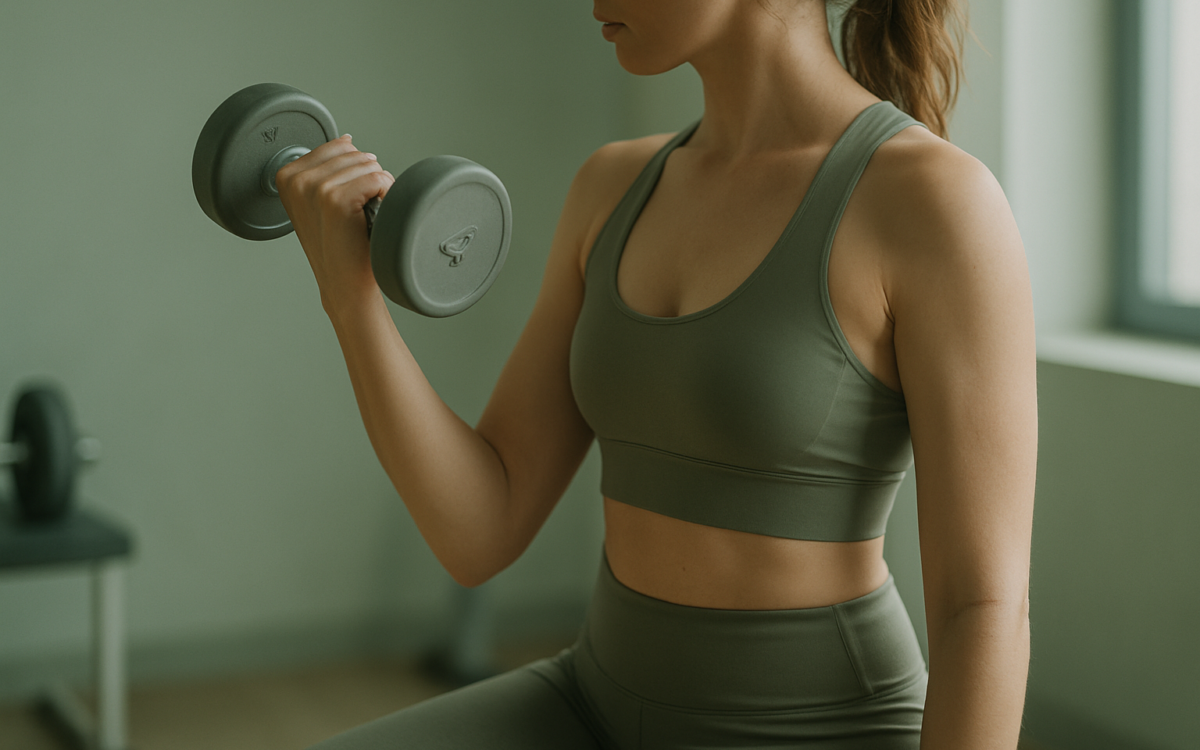
Weight lifting isn’t just for men; it’s a transformative practice for women too. Over the last few decades, many women have embraced strength training, recognizing its numerous health benefits and the empowering effect it can have on physical and mental well-being. Although misconceptions and fear of bulking up may still linger, understanding the advantages of weight lifting is essential for women looking to enhance their fitness journey.
The Benefits of Weight Lifting for Women
Engaging in weight lifting offers a wide range of benefits for women, including:
- Improved Muscle Strength: Weight lifting helps to build muscle, which can improve overall strength and athletic performance.
- Bone Health: Strength training is crucial for maintaining bone density, which decreases with age. This can help reduce the risk of osteoporosis.
- Metabolism Boost: Lifting weights increases muscle mass, which can lead to a higher resting metabolic rate, helping with weight management.
- Mental Health Benefits: Exercise, including weight lifting, has been shown to reduce symptoms of depression and anxiety, promote better sleep, and enhance overall mood.
- Functional Strength: Strength training can improve everyday activities, from lifting grocery bags to playing with children.
Myths About Women and Weight Lifting
Many women may hesitate to start weight lifting due to common myths. Addressing these misconceptions is vital for encouraging more women to incorporate strength training into their fitness routines.
- Myth 1: Women Will Get Bulky: It’s a widespread belief that weight lifting will lead to a bulky physique. In reality, women typically have lower levels of testosterone than men, making it harder for them to gain significant muscle mass.
- Myth 2: Weight Lifting is Unsafe: When done with proper form and technique, weight lifting is safe for women of all fitness levels. Starting with lighter weights and gradually increasing as strength improves can prevent injury.
- Myth 3: All Women Should Lift the Same Weight: Every individual’s body is different, and it’s essential to find a weight that works for you, regardless of what others are lifting.
Getting Started with Weight Lifting
If you’re ready to dive into weight lifting, here’s how to get started:
1. Set Your Goals
Identify your objectives for weight lifting. Are you looking to build muscle, increase strength, or improve your general fitness? Setting specific goals can keep you motivated.
2. Choose the Right Equipment
You don’t need a gym membership to start lifting weights. Free weights, resistance bands, and body-weight exercises can all offer effective strength training. If you’re interested in professional guidance, consider personal training sessions.
3. Learn Proper Techniques
Form is crucial when lifting weights. Poor technique can lead to injuries. Start with light weights while focusing on your form. There are plenty of online resources, like videos and tutorials, that provide helpful guidance.
4. Develop a Routine
A well-rounded weight lifting routine should include a mix of exercises targeting all major muscle groups: legs, back, chest, arms, and core. Aim for at least two to three sessions per week, allowing rest days in between for recovery.
5. Consider Professional Guidance
If you’re unsure about starting a weight lifting regimen, consulting a fitness professional can help. They can provide personalized advice and ensure that your technique is correct, which can enhance results and reduce injury risk. For those considering international treatment or specialized training programs, resources like acibademinternational.com can offer guidance.
Incorporating Weight Lifting into Your Lifestyle
Consistency is key to seeing results with weight lifting. Here are some tips to help you stay on track:
- Track Your Progress: Keep a record of your workouts, including weights lifted and repetitions. This can motivate you as you observe your improvements.
- Mix It Up: To avoid boredom, incorporate various exercises and try new techniques to keep your workouts exciting.
- Stay Hydrated: Stay hydrated before, during, and after your workouts; hydration is essential for optimal performance.
- Listen to Your Body: If you feel pain or exhaustion, take a break. Pushing through injury can lead to setbacks.
When to See a Doctor
If you experience any unexplained pain or discomfort while lifting weights, or if you have pre-existing health conditions, consult your doctor. They can provide personalized recommendations based on your medical history and overall health.
Conclusion
Weight lifting is an empowering and beneficial practice for women of all ages and fitness levels. By understanding the myths, recognizing the benefits, and learning how to start safely, women can embrace weight lifting as a vital part of their fitness journey. With the right mindset and approach, the strength you build goes beyond the physical, positively influencing confidence and resilience in everyday life.
