
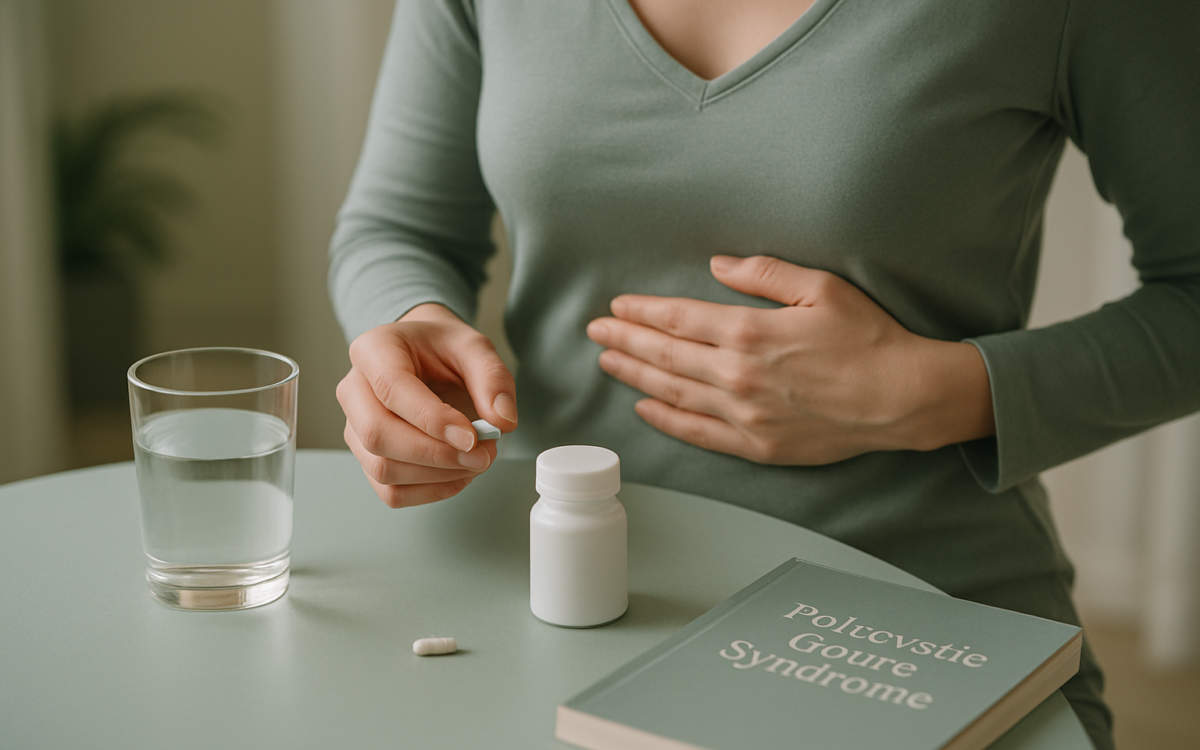
Polycystic Ovary Syndrome (PCOS) is a common hormonal disorder that affects many women of reproductive age. While it can bring challenges—such as irregular periods, weight gain, and emotional fluctuations—practicing self-care can make a significant difference in managing the symptoms. Self-care isn’t just about pampering yourself; it’s about adopting a series of habits and practices that prioritize your physical and mental well-being. Here’s how to take charge of your health with effective self-care strategies for PCOS.
Understand Your Condition
The first step in managing PCOS is understanding what it is and how it impacts your body. PCOS is characterized by hormonal imbalances that can lead to various symptoms. Familiarizing yourself with your condition can help you make informed decisions about your health. Resources like the National Institutes of Health (NIH) offer valuable information on PCOS, enabling you to learn how to navigate your experiences more effectively.
Healthy Eating Habits
Nutrition plays a crucial role in managing PCOS symptoms. Research shows that women with PCOS can benefit from a balanced diet that focuses on whole foods. Here are some tips to consider:
- Choose Low Glycemic Index Foods: Foods like whole grains, legumes, and non-starchy vegetables can help regulate blood sugar levels.
- Include Lean Proteins: Incorporating sources like chicken, fish, beans, and plant-based proteins can support muscle health and satiety.
- Embrace Healthy Fats: Foods rich in omega-3 fatty acids, such as salmon, walnuts, and flaxseeds, can support heart health.
- Stay Hydrated: Drinking plenty of water is essential. Consider reducing sugary drinks that can lead to spikes in insulin levels.
Remember, maintaining a healthy diet is a personal journey. Consulting with a nutritionist who specializes in PCOS can provide tailored guidance.
Regular Physical Activity
Physical activity not only helps with weight management—it can also improve insulin sensitivity and regulate your menstrual cycle. Aim for at least 150 minutes of moderate exercise weekly. Here are some types of activities to consider:
- Aerobic Exercises: Activities like walking, swimming, or cycling can enhance cardiovascular health.
- Strength Training: Building muscle through weight lifting or resistance exercises can improve metabolism and insulin sensitivity.
- Mind-Body Exercises: Practices like yoga and tai chi can reduce stress and improve mental well-being.
Always consider your fitness level, and find activities you enjoy to help create a consistent routine.
Emotional Well-Being
Living with PCOS can sometimes feel overwhelming due to physical symptoms and their emotional impact. Prioritizing your mental health is crucial. Here are some suggestions:
- Connect with Others: Join support groups or online communities where you can share experiences and learn from others.
- Practice Mindfulness: Techniques such as meditation or deep breathing can help alleviate stress and anxiety.
- Seek Professional Help: A therapist can help you navigate the emotional challenges associated with PCOS.
Emotional support is a vital part of managing PCOS, so don’t hesitate to reach out for help when you need it.
Monitor Your Symptoms
Keeping track of your symptoms can help you identify patterns and determine what works best for you. Consider using a journal or a mobile app to record:
- Your menstrual cycle and any irregularities
- Changes in weight or appetite
- Your exercise and dietary habits
- Your mood and energy levels
This information can be invaluable for discussions with your healthcare provider, as well as for assessing the effectiveness of your self-care strategies.
Establish a Healthcare Routine
Regular check-ups with your healthcare provider are important in managing PCOS effectively. Here’s how to stay on top of your health:
- Schedule Regular Appointments: Maintaining a healthcare routine ensures that you can monitor your condition over time.
- Discuss Treatment Options: Your doctor may recommend lifestyle changes, medications, or other treatments based on your individual needs.
- Educate Yourself: Stay informed about the latest research and treatments related to PCOS. Resources from the World Health Organization offer insights into improving women’s health on a global scale.
Taking an active role in your healthcare can empower you to find solutions that work for you.
When to See a Doctor
While self-care strategies can significantly help manage PCOS, there are times when you should consult with a healthcare professional. Consider making an appointment if:
- Your symptoms worsen or significantly impact your daily life.
- You experience severe mood swings or anxiety.
- You have concerns about fertility or menstrual irregularities.
Your doctor can provide support, guide you on treatment options, and tailor recommendations to fit your unique situation.
In conclusion, self-care is a powerful tool in managing PCOS. By embracing healthy eating, regular exercise, emotional well-being practices, and diligent monitoring, you can improve your quality of life. Remember, it’s important to create a plan that works for you and consult with healthcare professionals to ensure your self-care journey is effective and supportive.
