
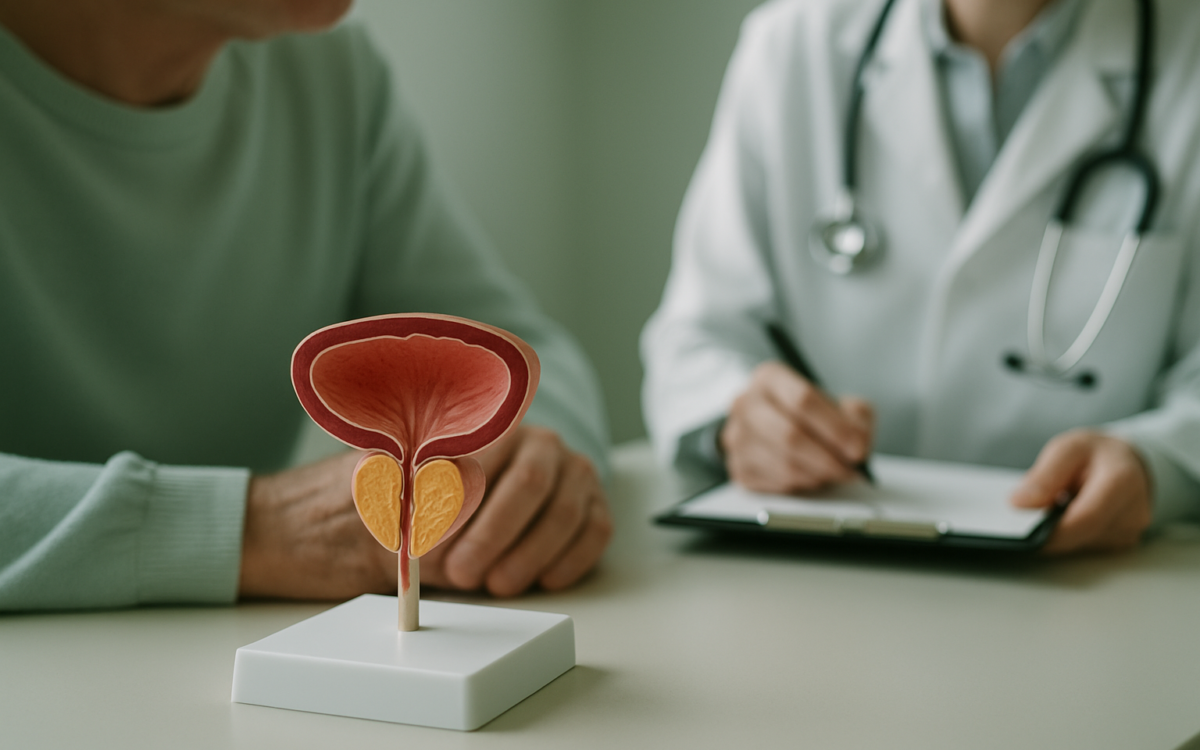
Prostate health is crucial for men, particularly as they age. The prostate gland, a small organ located below the bladder, plays a key role in the male reproductive system. It produces fluid that nourishes and transports sperm. However, prostate problems, such as benign prostatic hyperplasia (BPH), prostatitis, and prostate cancer, can significantly impact quality of life. Understanding how to care for this vital gland can help men maintain their health and well-being.
What is the prostate?
The prostate is a walnut-sized gland found only in men. Its primary function is to produce a fluid that forms part of semen. This fluid helps to protect and support sperm. The prostate can be affected by various conditions, especially as men reach middle age and beyond. Understanding how to promote prostate health is essential for minimizing the risk of issues.
Common prostate health concerns
As men age, several common conditions can affect prostate health:
- Benign Prostatic Hyperplasia (BPH): This is a non-cancerous enlargement of the prostate, often causing frequent urination and other urinary issues.
- Prostatitis: This condition involves inflammation of the prostate and can result in pain, discomfort, and urinary problems.
- Prostate Cancer: This is one of the most common cancers in men. Early detection through screening is vital for effective treatment.
Lifestyle changes for better prostate health
Improving prostate health can often start with lifestyle changes. Here are some practical steps men can take:
1. Maintain a healthy diet
A balanced diet rich in fruits, vegetables, whole grains, and healthy fats can promote prostate health. Foods that are particularly beneficial include:
- Tomatoes: They are high in lycopene, an antioxidant linked to reduced prostate cancer risk.
- Cruciferous vegetables: Broccoli, cabbage, and cauliflower have compounds that may lower cancer risk.
- Fatty fish: High in omega-3 fatty acids, which have anti-inflammatory properties.
2. Stay physically active
Regular physical activity plays a significant role in overall health and can help manage weight, reduce inflammation, and lower the risk of prostate-related issues. Aim for at least 150 minutes of moderate-intensity exercise each week. This can include:
- Walking or jogging
- Biking
- Swimming
- Strength training
3. Manage weight
Excess weight, especially around the waist, can increase the risk of prostate problems. Maintaining a healthy weight through a balanced diet and regular exercise is essential.
4. Stay hydrated
Drinking plenty of water keeps the urinary tract healthy and can help prevent urinary problems. However, it’s also important to moderate fluid intake in the evening to reduce nighttime urination.
Screenings and tests
Regular health screenings are crucial for early detection of prostate issues. Men should discuss prostate health with their doctors, especially if they have a family history of prostate problems. Age is also a significant factor:
- Begin discussing prostate health: at age 50 for most men.
- Start earlier: at age 45 for those with higher risk factors, such as a family history of prostate cancer.
Screening methods include the Prostate-Specific Antigen (PSA) test and digital rectal exam (DRE). These tests can help assess prostate health and detect issues early.
Other considerations for prostate health
While diet and exercise are critical, other lifestyle factors can also impact prostate health:
1. Limit alcohol and quit smoking
Excessive alcohol consumption and smoking have been linked to various health problems, including prostate issues. Limiting alcohol intake and quitting smoking can improve overall health and prostate conditions.
2. Manage stress
Chronic stress can impact your immune system and overall well-being. Finding healthy ways to cope with stress—like exercise, meditation, or spending time with loved ones—can support prostate health.
When to see a doctor
Men should consult their healthcare provider if they experience symptoms that could indicate prostate issues, such as:
- Frequent need to urinate, especially at night
- Painful urination or ejaculation
- Blood in urine or semen
- Pain in the lower back, hips, or pelvis
Discussing these matters openly can help ensure the best care and appropriate follow-up.
Conclusion
Maintaining prostate health is essential for men throughout their lives. By making healthy lifestyle choices, staying active, and keeping up with regular screenings, men can help minimize their risk of prostate-related issues. Remember, early detection and preventive care are crucial in maintaining good prostate health. Always consult your healthcare provider for personalized guidance and recommendations.
