
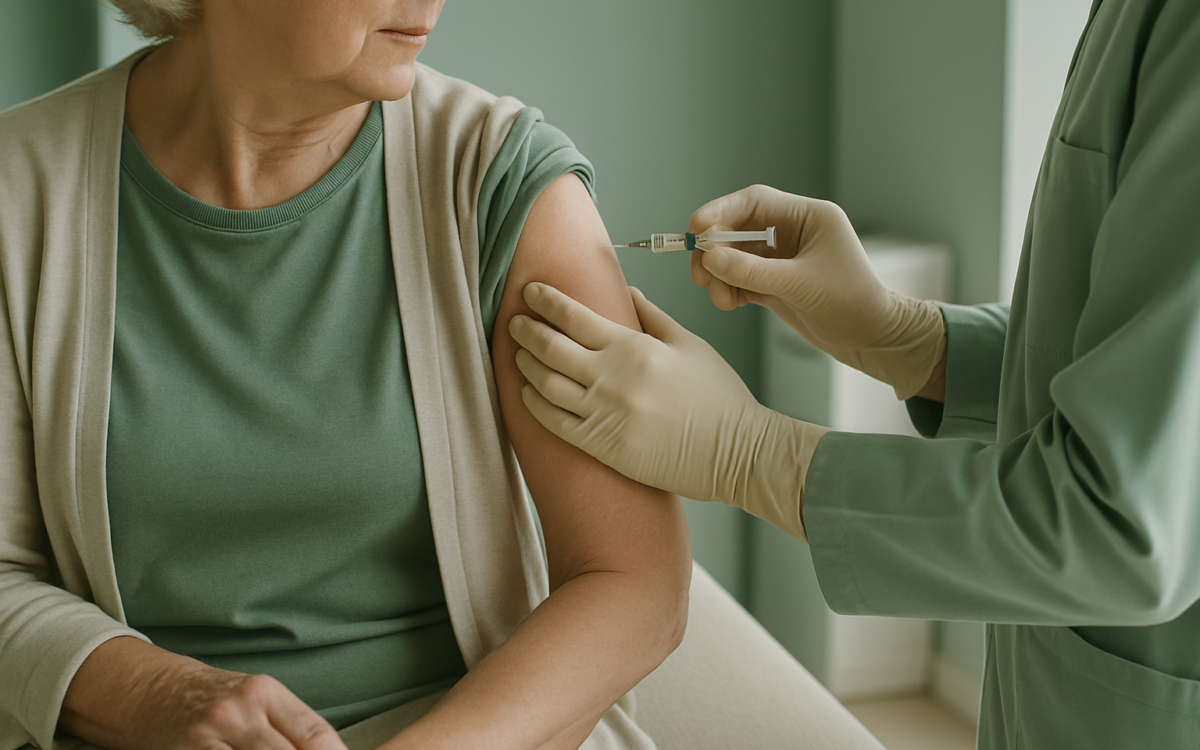
As we age, our bodies undergo many changes, and one of the essential aspects of staying healthy is keeping up with vaccinations. Shots for older adults help protect against various serious diseases that can be more dangerous to seniors. Understanding which shots are recommended and why can empower older adults to take control of their health.
Understanding the Importance of Vaccinations
Vaccinations play a critical role in preventive health, especially for older adults. As we age, our immune systems may weaken, making it harder for our bodies to fight off infections and diseases. Vaccines essentially help prepare our immune system to recognize and combat these threats. According to the CDC, vaccinations have reduced cases of many serious diseases and have saved countless lives.
Key Vaccinations Recommended for Older Adults
Several vaccines are particularly important for older adults. Let’s take a closer look at a few of them:
- Flu Vaccine: The flu can be a serious illness, especially for those over 65. Annual flu shots can help reduce the risk of hospitalization and complications.
- Pneumococcal Vaccine: This vaccine protects against pneumococcal diseases like pneumonia, which can be life-threatening for older adults. The CDC recommends two types of pneumococcal vaccines: PCV13 and PPSV23.
- Shingles Vaccine: Shingles can lead to severe pain and complications. The CDC recommends that adults 50 years and older receive the shingles vaccine (Shingrix).
- Tdap (Tetanus, Diphtheria, and Pertussis) Vaccine: Older adults should receive a Tdap booster every 10 years to protect against these diseases.
- COVID-19 Vaccine: Staying up-to-date with COVID-19 vaccinations is crucial for older adults, given the increased risks associated with the virus.
Vaccination Schedule for Older Adults
Knowing when to get vaccinated is as important as understanding which shots to receive. The vaccination schedule may differ based on prior immunizations and individual health conditions. Some general guidelines include:
- Annual flu shots should be taken every fall.
- Pneumococcal vaccinations may be given as a series, with the first dose often recommended at age 65.
- The shingles vaccine can be administered starting at age 50.
- For Tdap, ensure you’re up-to-date every 10 years.
- COVID-19 vaccinations should be taken as recommended by public health officials, especially considering booster shots and new variants.
Global Perspectives on Vaccination for Seniors
Vaccination practices can vary significantly around the world. In some countries, older adults may have access to different types of vaccines or health campaigns aimed at preventing diseases common among seniors. For example, in places like Turkey, there might be specific programs facilitating vaccination among the elderly population, making it easier for them to receive essential shots. For those considering options, treatment in Turkey can provide insights into available healthcare resources and vaccination plans tailored for seniors.
The Role of Healthcare Providers in Vaccination
Healthcare providers are an invaluable resource for older adults when it comes to vaccinations. They can help determine which vaccines are necessary based on individual medical history and current health status. Don’t hesitate to discuss any concerns or questions with your healthcare provider.
They can also remind you when it’s time for a booster shot or if new vaccines are recommended. Remember, keeping records of your vaccinations is essential; this will help your healthcare provider keep track and ensure you receive all the shots you need.
When to See a Doctor
While vaccines are crucial, it’s essential to keep an eye on your health. If you experience any severe reactions following a vaccination, such as difficulty breathing or swelling, you should seek medical attention immediately. It’s also wise to consult your doctor if you have pre-existing health conditions or are unsure about which vaccines you need based on your medical history.
Conclusion
Staying up-to-date with vaccinations is vital for older adults. With the right shots, seniors can significantly reduce their risk of contracting various diseases, leading to a healthier and more active life. Empower yourself with knowledge and consult your healthcare provider regularly to ensure you’re protected.
